What Are the 4 C’s of Promotion? Understanding Modern Marketing’s Foundation
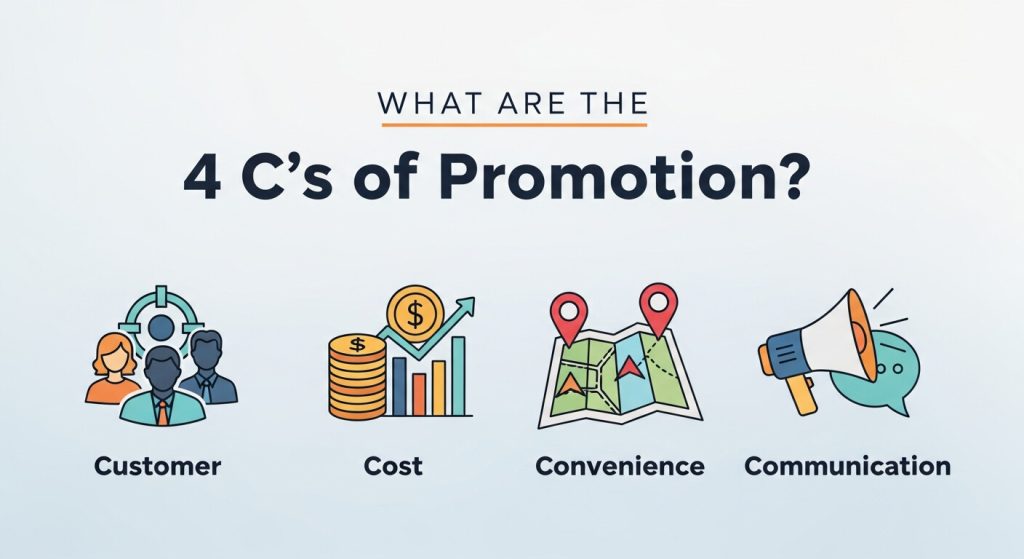
The 4 C’s of Promotion—Customer, Cost, Communication, Convenience—offer a modern, customer-centric framework for marketing success. Implementing these elements enhances engagement, builds loyalty, and drives measurable business growth in today’s competitive landscape.
The 4 C’s of Promotion form the foundation of modern marketing strategies. They guide businesses in connecting with customers, creating impactful campaigns, and achieving measurable results. Understanding these four key elements—Customer, Cost, Communication, and Convenience—enables brands to design effective promotions that resonate with their target audience and drive engagement.
Customer – The Heart of the 4 C’s of Promotion
In the 4 C’s of Promotion, the customer is the central focus. Promotions must align with the needs, preferences, and behaviors of the target audience. Understanding your customers ensures that marketing messages resonate and drive engagement. Businesses should analyze demographics, psychographics, and buying behavior to tailor campaigns. Personalized promotions increase relevance, loyalty, and conversion rates. Customer feedback and data-driven insights also guide adjustments, ensuring campaigns remain effective. In the modern marketing landscape, prioritizing the customer is not optional—it’s essential. Brands that successfully implement the 4 C’s of Promotion with a customer-first approach build lasting relationships and sustainable growth.
Cost – Balancing Value and Investment
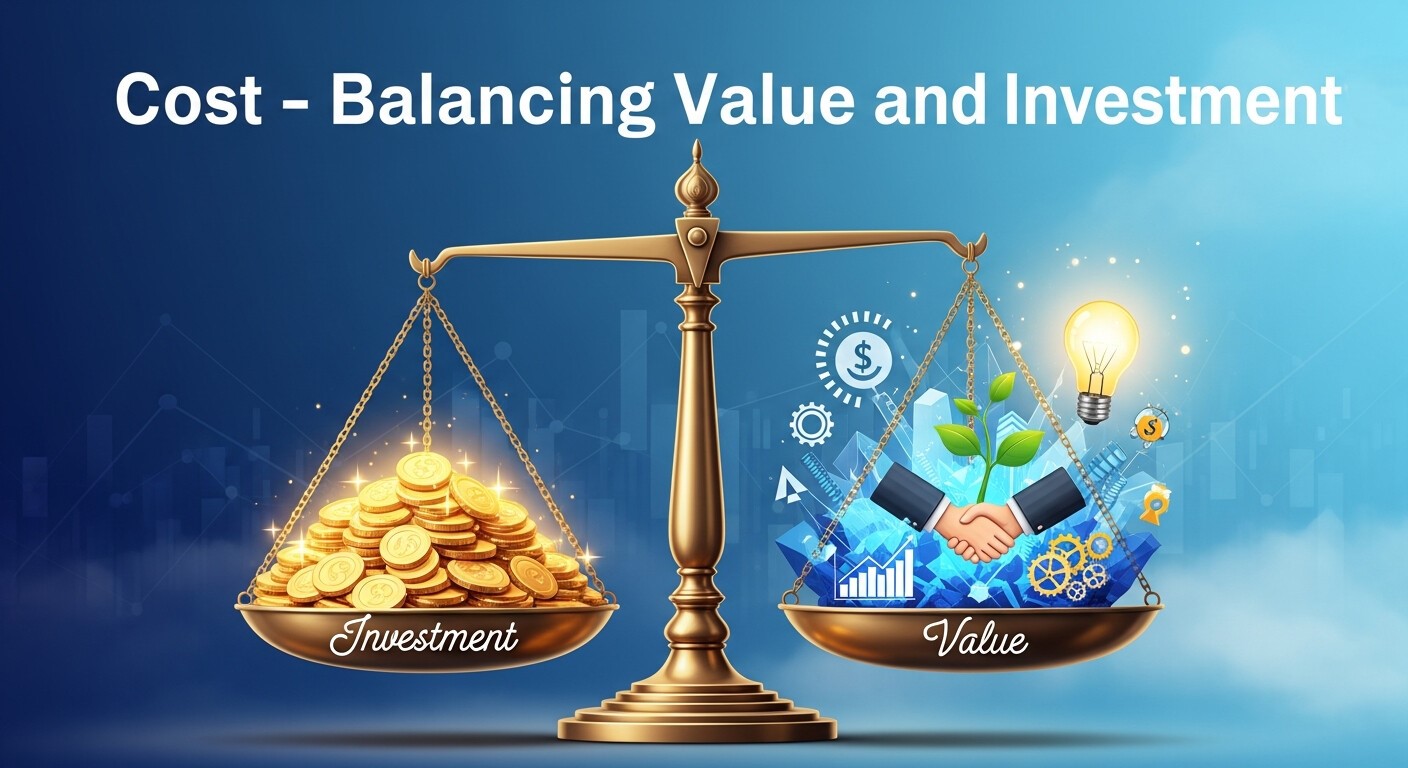
Cost is the second element in the 4 C’s of Promotion. It goes beyond pricing products; it involves understanding the total value offered to customers. Promotions should emphasize affordability while reflecting quality and benefits. Businesses must also consider the cost of marketing campaigns, ensuring ROI is positive. Offering discounts, bundled deals, or loyalty rewards can influence purchasing decisions without eroding profit margins. Transparent communication about value helps build trust and credibility. By integrating cost considerations into the 4 C’s of Promotion, brands can design campaigns that appeal to price-sensitive customers while maintaining profitability, ultimately enhancing brand reputation and customer satisfaction.
Communication – Engaging Customers Effectively
Communication is a vital component of the 4 C’s of Promotion. It involves how a brand conveys its message to customers across multiple channels. Clear, consistent, and engaging communication ensures that promotions are understood and acted upon. Businesses must choose the right platforms—social media, email, advertisements, or direct messaging—to reach their audience effectively. Storytelling, visuals, and interactive content enhance engagement and create memorable experiences. Listening to customer responses and adjusting messages is equally important. Strong communication within the 4 C’s of Promotion ensures campaigns are persuasive, relevant, and customer-focused, leading to higher engagement, improved brand perception, and long-term loyalty. Leveraging Effective Information Technologies can further amplify communication, ensuring real-time engagement and tracking of audience responses.
Convenience – Making Promotions Accessible
Convenience is the fourth element of the 4 C’s of Promotion. Customers value easy access to products, services, and promotional offers. Brands should streamline purchasing processes, simplify navigation on websites, and ensure mobile-friendly experiences. Convenience also includes timing, location, and the method of delivery for promotions. By reducing friction, businesses increase the likelihood of conversions and customer satisfaction. Integrating convenience in the 4 C’s of Promotion enhances user experience, strengthens customer relationships, and encourages repeat purchases. In today’s fast-paced environment, brands that prioritize convenience are more likely to outperform competitors and create seamless, enjoyable shopping experiences for their target audience. Understanding convenience also ties closely with insights from Marketing Mix Explained, emphasizing customer access and satisfaction.
Examples of the 4 C’s of Promotion in Action
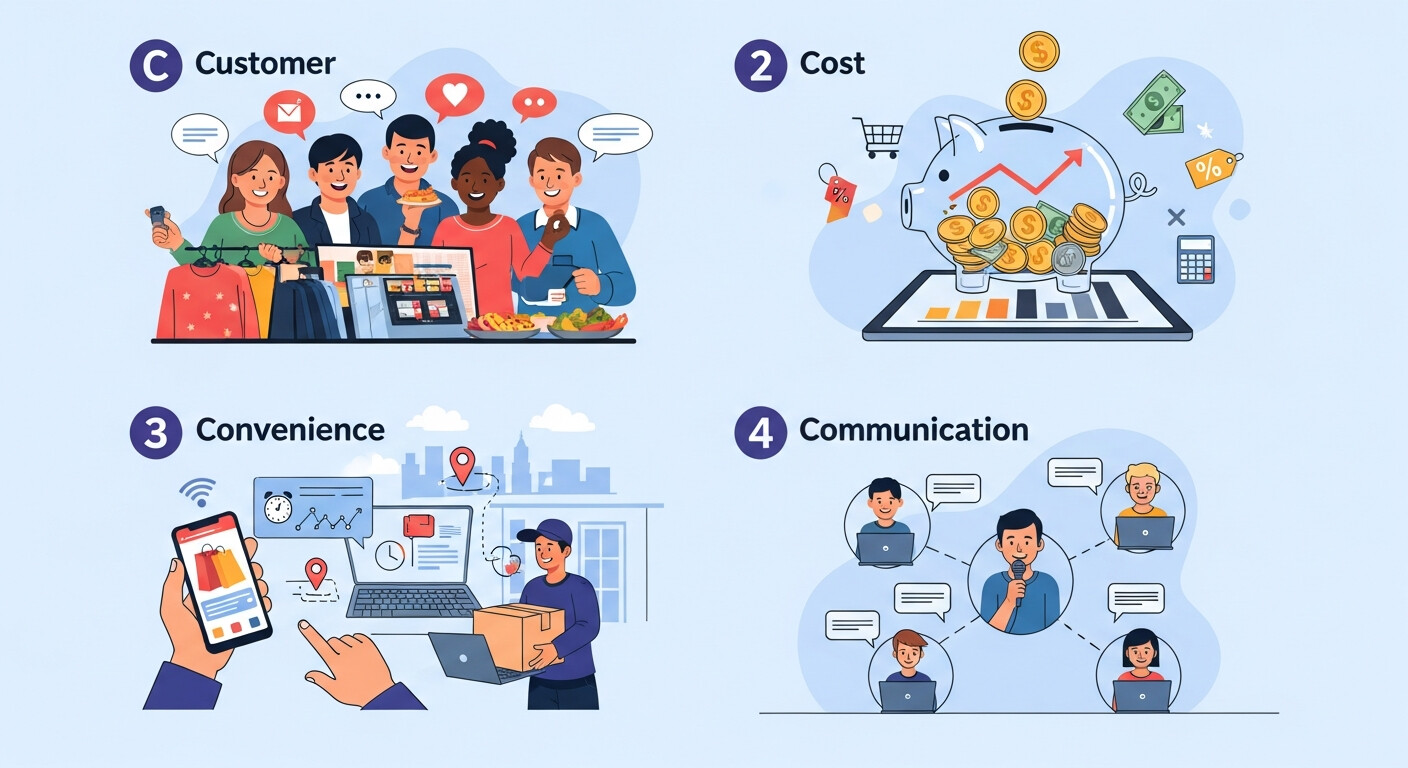
Applying the 4 C’s of Promotion effectively requires real-world examples. For instance, Apple emphasizes customer-focused innovation, clear communication through sleek marketing, fair pricing strategies, and convenient purchasing via online and retail stores. Similarly, Starbucks tailors promotions to customer preferences, maintains value, communicates brand experiences, and offers convenience through mobile orders and loyalty programs. Brands across industries can adopt the 4 C’s of Promotion framework to enhance campaigns. By studying these examples, businesses can learn to personalize strategies, balance cost and value, engage through strong communication, and streamline convenience. The 4 C’s of Promotion provide actionable insights for marketers seeking practical ways to boost impact while Reconnecting With Intent to build deeper customer relationships.
Benefits of Implementing the 4 C’s of Promotion
Implementing the 4 C’s of Promotion brings numerous benefits. Customer-focused campaigns increase satisfaction and loyalty. Cost-efficient promotions maximize ROI while maintaining perceived value. Effective communication strengthens brand messaging, and convenience improves accessibility and engagement. By integrating all four elements, businesses create balanced marketing strategies that resonate with the target audience. The 4 C’s of Promotion also enable data-driven communications decision-making, helping marketers track performance and optimize campaigns. Brands that consistently apply this framework gain a competitive edge, build stronger relationships, and encourage repeat business. Moreover, adopting Effective Information Technologies ensures campaigns are efficiently managed, providing measurable benefits and streamlined execution across platforms.
Common Mistakes to Avoid in the 4 C’s of Promotion
Despite its simplicity, marketers often make mistakes when applying the 4 C’s of Promotion. Ignoring customer insights leads to irrelevant campaigns. Overemphasizing cost can diminish perceived value. Poor communication confuses audiences, and neglecting convenience creates friction. Failing to integrate all four elements results in unbalanced strategies that underperform. Brands must monitor campaigns, gather feedback, and adjust accordingly. Using the 4 C’s of Promotion correctly requires understanding each component’s role and ensuring harmony among them. Avoiding these common mistakes ensures that marketing initiatives are effective, engaging, and customer-focused. For companies seeking modern guidance, integrating lessons from Marketing Mix Explained can help prevent these errors.
Measuring Success of the 4 C’s of Promotion
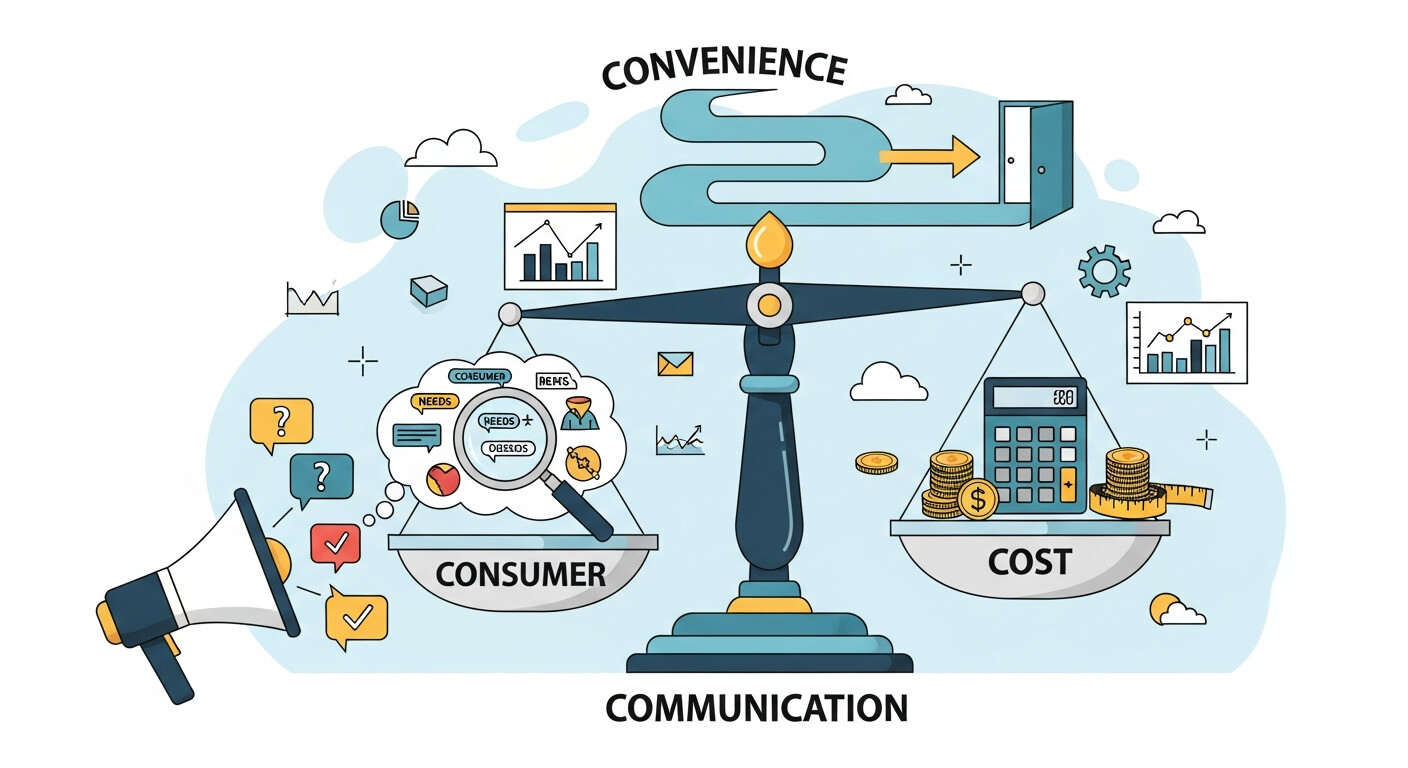
Evaluating the impact of the 4 C’s of Promotion is essential for ongoing success. By tracking key performance indicators such as engagement, conversions, and customer satisfaction, businesses can identify strengths and weaknesses in their campaigns. This ensures marketing strategies stay effective, relevant, and aligned with evolving customer expectations, driving continuous improvement and measurable results over time.
Metrics to Monitor:
- Customer satisfaction and feedback scores
- Cost per conversion and ROI
- Engagement rates on campaigns
- Accessibility and purchase completion rates
Table: Success Metrics for the 4 C’s
| Element | Metric | Target Goal |
|---|---|---|
| Customer | Satisfaction survey scores | 85%+ positive feedback |
| Cost | ROI per campaign | Minimum 150% ROI |
| Communication | Engagement rate | 10–15% higher than previous month |
| Convenience | Conversion rate | 20% increase in checkout success |
4 C’s of Promotion vs. Traditional 4 P’s of Marketing
The 4 C’s of Promotion differ from the traditional 4 P’s—Product, Price, Place, Promotion—by emphasizing customer perspective. While the 4 P’s focus on business-driven strategy, the 4 C’s prioritize what customers value: needs, cost, communication, and convenience. This shift reflects modern marketing’s focus on engagement and experience. Businesses adopting the 4 C’s of Promotion benefit from more personalized campaigns, stronger customer connections, and higher conversion rates. Understanding the differences helps marketers evolve strategies from product-centric to customer-centric. By leveraging the 4 C’s of Promotion, brands can bridge traditional marketing practices with modern expectations, ensuring relevance in today’s competitive market while Reconnecting With Intent with their audiences.
Tools to Implement the 4 C’s of Promotion
Various tools help businesses apply the 4 C’s of Promotion effectively. Customer relationship management (CRM) platforms collect insights for personalized campaigns. Marketing automation tools streamline communication. Pricing software ensures competitive cost strategies, while e-commerce platforms enhance convenience for customers. Social media and analytics tools track engagement and feedback, allowing continuous improvement. By integrating these resources, brands can implement the 4 C’s of Promotion systematically, improving efficiency and impact. These tools enable marketers to monitor performance, optimize campaigns, and maintain alignment with customer needs. Using Effective Information Technologies ensures that each element of the 4 C’s of Promotion is executed strategically, maximizing results while reducing errors and inefficiencies.
Integrating Digital Strategies with the 4 C’s of Promotion
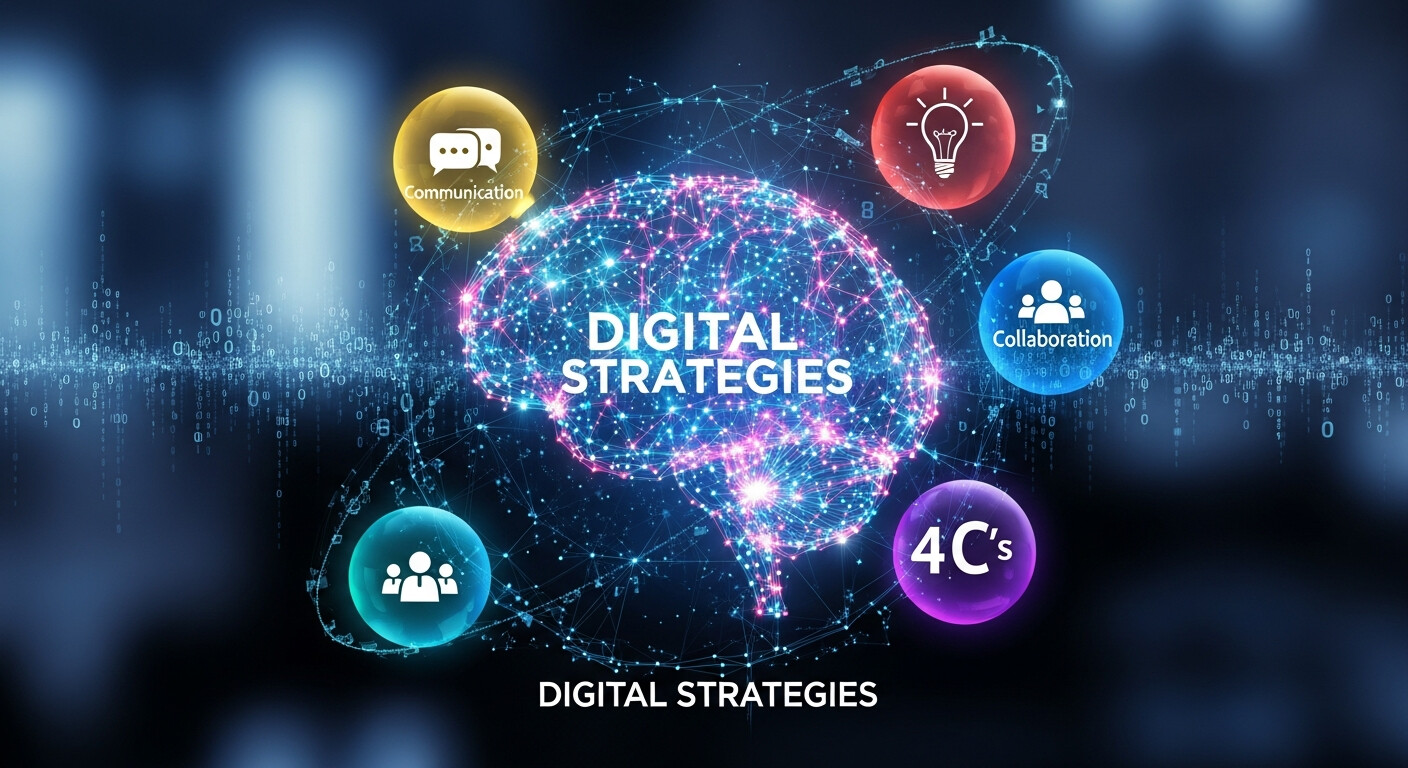
Digital strategies play a key role in enhancing the 4 C’s of Promotion. Leveraging online platforms allows businesses to access real-time analytics, reach a wider audience, and create personalized engagement opportunities. Integrating digital tools enables precise targeting, effective communication, and seamless convenience, ensuring promotional campaigns are more efficient, impactful, and aligned with customer needs.
Key Digital Strategies:
- Personalized email campaigns for customer engagement
- Social media promotion to increase visibility
- Mobile-friendly platforms for seamless convenience
- Cost optimization through digital ads and automation
Table: Digital Integration of the 4 C’s
| Element | Digital Strategy Example | Benefit |
|---|---|---|
| Customer | Targeted ads using CRM data | Increased engagement |
| Cost | Digital ad budgeting & retargeting | Cost-efficient campaigns |
| Communication | Social media posts & email automation | Consistent messaging |
| Convenience | Mobile apps & easy checkout | Improved user experience |
Future Trends in the 4 C’s of Promotion
The 4 C’s of Promotion continue evolving with technology and consumer behavior. Personalized AI-driven campaigns, interactive content, and seamless mobile experiences enhance customer focus. Cost transparency, dynamic pricing, and value-driven offers are becoming essential. Communication now leverages social media, chatbots, and immersive storytelling, while convenience includes fast delivery, omnichannel accessibility, and frictionless purchasing. Brands must adapt to emerging trends to stay competitive. Understanding how to integrate innovation within the 4 C’s of Promotion ensures relevance, engagement, and loyalty. Future marketing strategies will demand agility, creativity, and a deep understanding of customer expectations, making the 4 C’s of Promotion framework more important than ever for sustainable success.
Conclusion
The 4 C’s of Promotion—Customer, Cost, Communication, and Convenience—serve as a powerful framework for modern marketing success. By focusing on customer needs, balancing value with cost, delivering clear communication, and ensuring convenience, brands can create impactful campaigns that resonate and drive results. Implementing the 4 C’s of Promotion helps businesses build loyalty, improve engagement, and maintain a competitive edge in today’s fast-paced market. Whether launching a new product or optimizing existing strategies, understanding and applying these four key elements ensures promotions are effective, customer-focused, and aligned with long-term growth objectives.
Frequently Asked Questions
1. What is the importance of understanding customer needs?
Understanding customer needs helps businesses create relevant offers, improve satisfaction, and foster loyalty. By analyzing preferences, behaviors, and feedback, brands can design experiences that resonate with their audience, driving engagement and long-term growth.
2. How does cost influence marketing strategies?
Cost determines how customers perceive value and affordability. Properly balanced pricing strategies ensure promotions attract attention without reducing profitability. Businesses can use cost analysis to optimize campaigns, increase conversions, and enhance perceived benefits for their audience.
3. Why is effective communication essential for campaigns?
Clear communication ensures marketing messages reach the right audience and are easily understood. Consistent messaging across platforms builds trust, strengthens brand perception, and encourages audience engagement, ultimately boosting the success of marketing initiatives.
4. How can convenience improve customer satisfaction?
Convenience makes interactions seamless, whether through online shopping, mobile apps, or easy access to promotions. Simplifying processes reduces friction, enhances experiences, and encourages repeat purchases, helping businesses maintain strong customer relationships.
5. What role does personalization play in marketing?
Personalization increases relevance by delivering tailored messages and offers based on customer preferences. It enhances engagement, improves loyalty, and strengthens connections, making campaigns more effective and memorable.
6. How can businesses measure campaign effectiveness?
Tracking performance metrics such as conversion rates, engagement, and ROI helps assess campaign success. Data analysis enables adjustments, improves targeting, and ensures marketing resources are used efficiently for better outcomes.
7. What are common mistakes in promotional campaigns?
Common mistakes include ignoring customer preferences, unclear messaging, overpricing, and creating friction in the purchase process. Avoiding these pitfalls ensures campaigns are effective, engaging, and aligned with audience expectations.
8. How does technology enhance marketing efforts?
Technology streamlines communication, tracks performance, and automates repetitive tasks. Using advanced analytics tools, CRM platforms, and e-commerce solutions allows businesses to optimize campaigns, improve efficiency, and deliver better experiences to their customers.
9. Why is feedback important for marketing success?
Customer feedback provides insights into preferences, satisfaction, and pain points. Analyzing this information allows businesses to refine campaigns, improve offerings, and maintain strong connections with their audience.
10. How do loyalty programs affect customer retention?
Loyalty programs reward repeat customers, encourage engagement, and increase brand advocacy. They create a sense of value and appreciation, improving satisfaction and long-term retention.
11. What is the significance of multichannel marketing?
Reaching audiences across multiple platforms ensures visibility and engagement. Multichannel marketing helps brands deliver consistent messaging, cater to diverse preferences, and maximize the impact of promotional campaigns.
12. How can brands create memorable marketing experiences?
Memorable experiences combine creativity, storytelling, visuals, and interaction. By engaging emotions and offering value, brands leave lasting impressions, encouraging sharing, loyalty, and repeat business.
13. How can businesses adapt to changing market trends?
Adapting requires continuous research, monitoring industry shifts, and leveraging technology. Flexibility allows brands to stay relevant, address evolving customer needs, and maintain a competitive edge in dynamic markets.