How to Build Sales Funnels That Turn Leads Into Course Enrollments
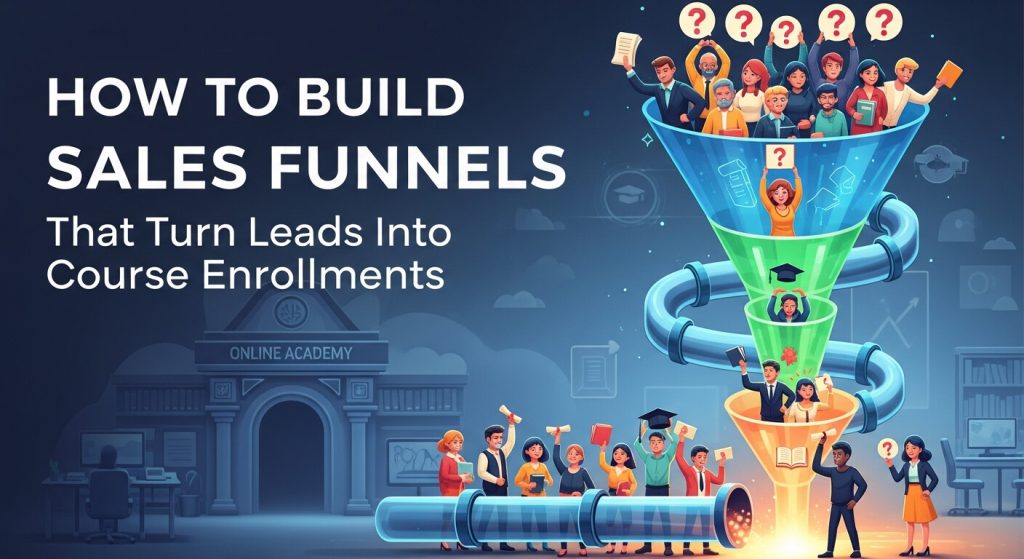
Course Sales Funnels help transform interest into enrollments through strategic content, trust-building, and automation. When optimized and scaled correctly, they create predictable growth for online course businesses.
Course Sales Funnels are the backbone of successful online education businesses. They guide potential learners from first contact to final enrollment in a structured and persuasive way. Instead of relying on random promotions, Course Sales Funnels help you build trust, educate leads, and convert interest into paid course enrollments consistently. In this guide, you’ll learn how to design, optimize, and scale Course Sales Funnels using proven digital marketing strategies.
Understanding the Concept of Course Sales Funnels
Course Sales Funnels represent the complete journey a learner takes before enrolling in your course. This journey usually starts with awareness, moves through consideration, and ends with conversion. A well-designed funnel ensures that every step delivers value and answers the learner’s questions. Course Sales Funnels are not about pushing sales aggressively; they are about nurturing trust through relevant content, email sequences, and strategic offers. When built correctly, Course Sales Funnels reduce hesitation, increase engagement, and make the enrollment decision feel natural rather than forced. Understanding this foundation helps you design funnels that work long-term.
Identifying and Attracting the Right Audience

The success of Course Sales Funnels relies heavily on attracting the right, highly-targeted audience. Understanding your learners’ goals, challenges, pain points, and skill levels is essential before creating any content, offers, or promotions. Utilize blog posts, webinars, social media campaigns, and Free resources for learners to engage and attract qualified leads effectively. When the audience is relevant, Course Sales Funnels convert more efficiently and generate better results. Precise targeting ensures your messaging resonates and positions your course as the ideal solution rather than just another option. The more tailored your approach, the more streamlined and effective your funnel becomes, driving consistent enrollments.
Creating High-Value Lead Magnets
Lead magnets are essential in Course Sales Funnels as they motivate visitors to provide their contact information, creating an initial connection. Examples include free Mini-course offers, checklists, templates, eBooks, or exclusive video lessons tailored to the audience’s needs. An effective lead magnet addresses a small but meaningful problem for learners, demonstrating your expertise and value. Aligning the lead magnet closely with your paid course topic ensures a natural progression from free content to enrollment. When prospects experience immediate benefits from your offer, they gain trust in your teaching, making them more likely to engage and continue through the funnel.
Designing Landing Pages That Convert
Landing pages serve as critical conversion points within Course Sales Funnels, guiding visitors toward taking a specific, desired action such as downloading a lead magnet, registering for a webinar, or joining an email list. High-performing landing pages feature clear headlines, compelling benefits, and social proof like testimonials or reviews to boost trust and credibility. Avoiding clutter and unnecessary distractions ensures visitors remain focused on the intended action. When the value proposition is communicated quickly and effectively, visitors are more likely to engage. Well-optimized landing pages maximize the efficiency of Course Sales Funnels, turning incoming traffic into highly engaged, qualified leads.
Nurturing Leads with Email Sequences

Email marketing serves as the engine that powers Course Sales Funnels. Once a lead joins your email list, carefully crafted automated sequences can educate, inspire, and establish credibility with potential learners. These emails should provide actionable insights, success stories, tips, and valuable content related to your course topic. Course Sales Funnels depend on consistent, thoughtful communication to keep your brand top of mind. By focusing on delivering value rather than constant selling, you build trust over time, making prospects more receptive to enrollment offers and significantly improving engagement, nurturing relationships, and ultimately boosting overall conversion rates.
Using Retargeting Ads for Online Courses
Not every visitor converts on their first visit, which is why Retargeting Ads for Online Courses play a crucial role in Course Sales Funnels. These ads allow you to re-engage people who have shown interest but haven’t enrolled yet. Retargeting campaigns can highlight key course benefits, address common objections, and reinforce your value proposition. By keeping your offer visible across multiple platforms, Course Sales Funnels become more efficient and effective. Repeated exposure builds familiarity, trust, and confidence among prospects, increasing the likelihood of enrollment while maximizing the value of your existing traffic and reducing the need to constantly acquire new visitors.
Leveraging Authority Through Podcasts and Collaborations
Being Featured on Podcasts to Sell Your Course significantly enhances the credibility of your Course Sales Funnels. Podcasts provide a platform to share your expertise, insights, and success stories with engaged audiences in an authentic, conversational format. Listeners who resonate with your content are more likely to consider enrolling in your course. Course Sales Funnels benefit from this authority-building strategy because trust and recognition are established before prospects enter the funnel. Additionally, collaborations with industry experts and guest appearances on relevant shows further strengthen your positioning, broaden your reach, and connect you with learners who are already motivated and interested in your topic.
Promoting Online Courses on Social Media

Online Courses on Social Media play a critical role in feeding Course Sales Funnels with steady, high-quality traffic. Platforms such as Facebook, Instagram, YouTube, and TikTok allow you to consistently share educational content, testimonials, behind-the-scenes insights, and interactive posts that engage learners. Social media humanizes your brand, builds trust, and nurtures relationships before enrollment. By sharing valuable content and responding to comments or questions, you create a sense of community around your course. Course Sales Funnels supported by consistent social media promotion tend to achieve higher engagement and conversion rates, keeping your funnel active, visible, and continuously attracting potential students.
Measuring Performance and Improving Results
Tracking performance is essential to ensure your funnel remains both effective and profitable. Regularly analyzing key metrics helps you identify which strategies are working and highlights areas that need improvement. Implementing small, strategic optimizations based on this data can lead to significant increases in engagement, higher conversions, and more enrollments over time, keeping your funnel efficient and results-driven.
Important metrics to monitor:
- Landing page conversion rates
- Email open and click-through rates
- Cost per lead and enrollment
| Metric | What It Shows | Why It Matters |
| Conversion Rate | Funnel effectiveness | Reveals content quality |
| Email Engagement | Audience interest | Improves messaging |
| Cost per Lead | Ad efficiency | Controls budget |
Using LinkedIn Marketing to Sell Professional Courses
LinkedIn Marketing to Sell Professional Courses is highly effective for career-focused education and professional development programs. LinkedIn users are already in a professional mindset, making them ideal prospects for Course Sales Funnels. To attract high-quality leads, share thought leadership posts, informative case studies, and short educational lessons that showcase your expertise. Engaging with relevant groups, commenting on discussions, and publishing articles can further strengthen your visibility. Course Sales Funnels on LinkedIn often result in higher-value enrollments because the audience is goal-oriented and motivated. A strategic LinkedIn presence reinforces credibility and positions your course as a professional investment rather than a casual purchase.
Optimizing and Scaling Course Sales Funnels
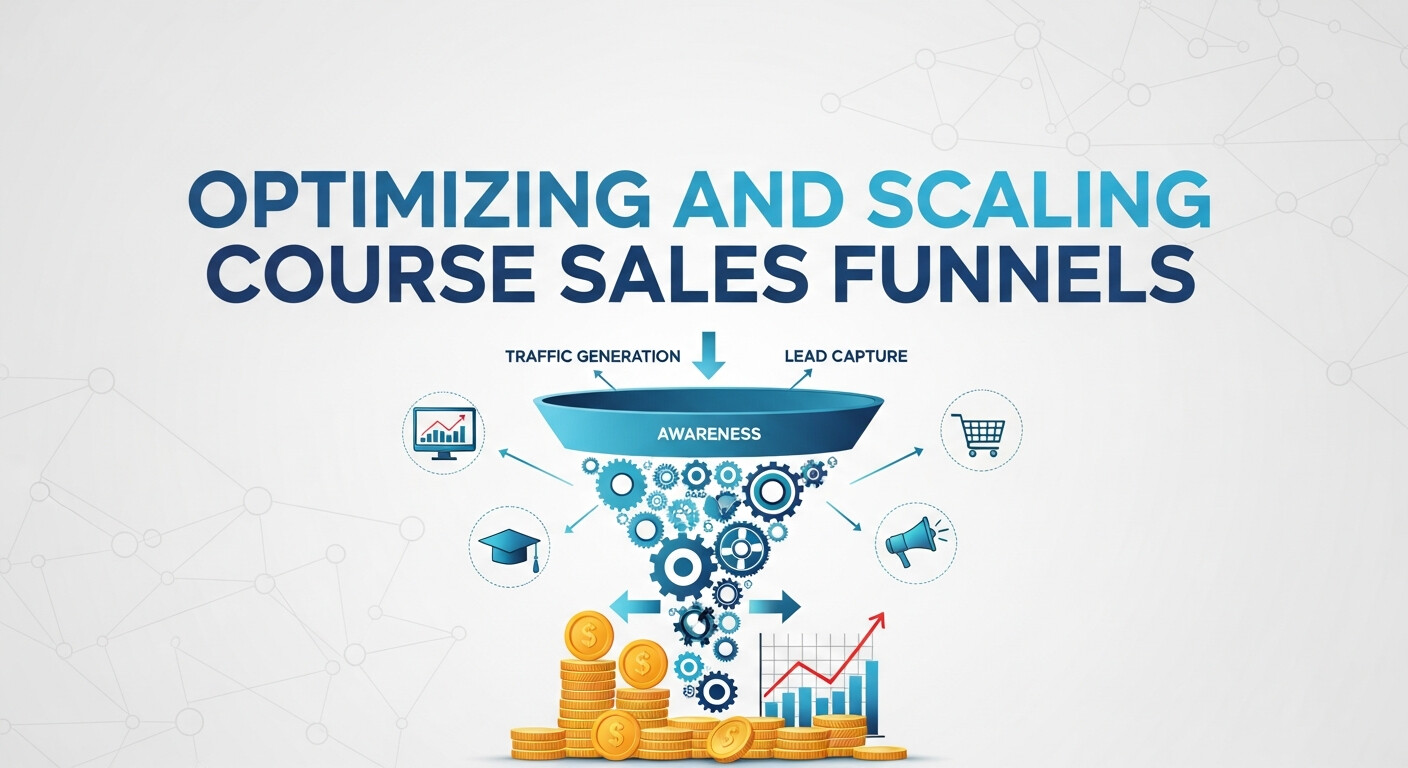
Optimization is the final and most crucial step in building successful Course Sales Funnels. It involves tracking key metrics such as conversion rates, email open rates, click-through rates, and cost per lead to identify areas that need improvement. By making small, thoughtful adjustments in your copy, design, and timing, you can significantly enhance results. Course Sales Funnels should continually evolve as you gather more data and insights about your audience. Once fully optimized, scaling becomes much easier through paid ads, partnerships, and expanded content. Continuous testing ensures long-term effectiveness and profitability.
Mapping the Customer Journey in Your Funnel
Understanding the customer journey helps you align content and offers with learner intent. This section of your funnel focuses on how prospects move from awareness to enrollment and what they need at each stage. Clear mapping improves engagement and reduces drop-offs by delivering the right message at the right time.
Key stages to focus on:
- Awareness through educational content and social posts
- Consideration via emails,Evolution of Webinars, or case studies
- Decision supported by testimonials and clear offers
| Funnel Stage | User Intent | Recommended Content |
|---|---|---|
| Awareness | Learning | Blogs, videos, free guides |
| Consideration | Comparing | Email sequences, webinars |
| Decision | Buying | Testimonials, offers |
The Future of Course Sales Funnels
The future of Course Sales Funnels will be shaped by personalization, automation, and data-driven decision-making. As learner expectations grow, Course Sales Funnels will rely more on AI-powered tools, behavior-based email sequences, and personalized content journeys. Video marketing, community-based learning, and interactive experiences will also play a bigger role in building trust before enrollment. Additionally, Course Sales Funnels will increasingly integrate social platforms, retargeting strategies, and professional networks like LinkedIn to reach learners where they are most active. Adapting to these trends will help course creators stay competitive and maintain sustainable growth.
Conclusion
Course Sales Funnels are essential for turning interested leads into committed students in a competitive online education market. By combining targeted traffic, high-value lead magnets, optimized landing pages, and consistent email nurturing, you can guide learners smoothly toward enrollment. Effective Course Sales Funnels also benefit from retargeting ads, social media promotion, and authority-building strategies like podcasts and LinkedIn marketing. When Course Sales Funnels are built with trust, relevance, and ongoing optimization in mind, they create predictable growth, higher conversion rates, and long-term success for your online courses.
Frequently Asked Questions (FAQs)
1. What is a sales funnel for online courses?
A sales funnel for online courses is a structured process that guides potential learners from first interaction to enrollment. It uses content, emails, and offers to build trust and support informed buying decisions.
2. Do beginners need sales funnels to sell courses?
Yes, beginners benefit greatly from sales funnels because they provide a clear system for attracting, nurturing, and converting leads. Funnels reduce guesswork and help new course creators build confidence and consistency.
3. How long does it take to build a sales funnel?
Building a basic funnel can take a few days, while a more advanced setup may take several weeks. The timeline depends on content creation, automation tools, and how much testing you plan to do.
4. What tools are needed to create a sales funnel?
Common tools include landing page builders, email marketing platforms, analytics tools, and ad platforms. These tools help manage leads, automate communication, and track performance efficiently.
5. Are email sequences necessary for course sales?
Email sequences are highly effective because they allow ongoing communication with potential students. They help educate leads, answer questions, and gradually introduce your course offer without being overly promotional.
6. How important is social media in funnel building?
Social media plays a key role by driving traffic and building relationships. Consistent posting, engagement, and value-based content help attract the right audience into your funnel organically.
7. Can paid ads improve enrollment rates?
Paid ads can significantly improve enrollment when used strategically. They help reach targeted audiences faster and work especially well when combined with retargeting and clear messaging.
8. What type of content works best at the top of a funnel?
Educational content such as blog posts, short videos, free guides, and webinars works best. This content builds awareness and positions you as a helpful authority in your niche.
9. How do I know if my funnel is working?
You can measure success through metrics like conversion rates, email open rates, click-through rates, and enrollment numbers. Regular analysis helps identify areas for improvement.
10. Is it possible to sell high-ticket courses with funnels?
Yes, funnels work well for high-ticket courses when trust is built properly. Detailed content, testimonials, case studies, and personal interaction help justify higher pricing.
11. How often should a sales funnel be updated?
Funnels should be reviewed regularly, especially when audience behavior changes. Updating content, offers, and messaging every few months helps maintain relevance and performance.
12. Can funnels work for professional or corporate courses?
Funnels are very effective for professional and corporate courses. Platforms like LinkedIn, webinars, and thought Leadership content help attract decision-makers and serious learners.
13. What is the biggest mistake course creators make?
The biggest mistake is focusing too much on selling and not enough on value. Successful funnels prioritize trust, clarity, and learner needs before asking for enrollment.