Ethical Scarcity Marketing: How to Create Urgency Without Being Pushy
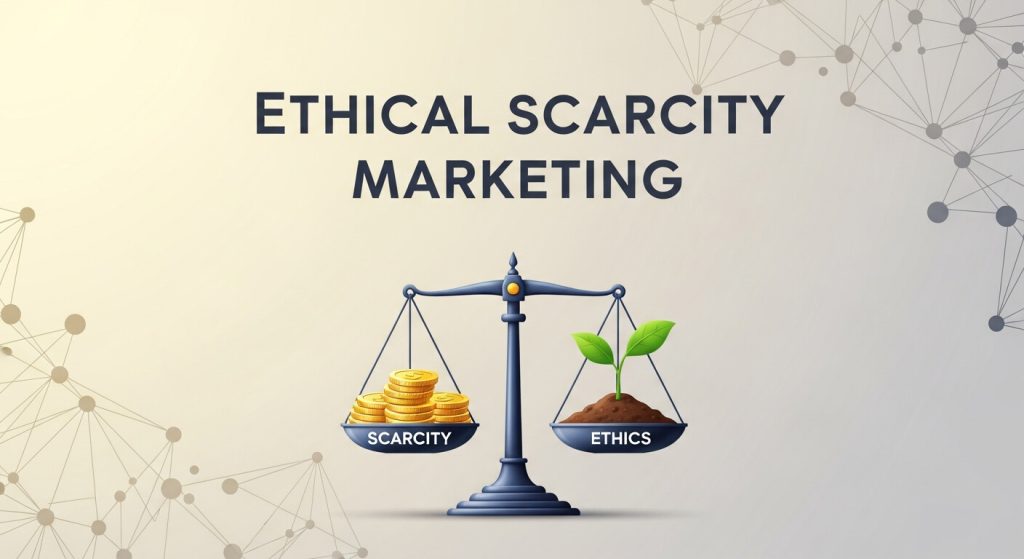
Ethical Scarcity Marketing helps course creators build urgency through honesty, value, and transparency. By avoiding manipulation and focusing on trust, you create sustainable growth, loyal students, and long-term brand credibility.
Ethical Scarcity Marketing is a powerful approach that helps course creators inspire action without manipulating audiences. Instead of aggressive countdown timers or false promises, this strategy focuses on honesty, transparency, and real value. When done correctly, Ethical Scarcity Marketing builds trust, strengthens brand credibility, and improves conversion rates naturally. In today’s skeptical market, creating urgency without being pushy is not just ethical—it’s essential for sustainable course growth.
What Is Ethical Scarcity Marketing?
Ethical Scarcity Marketing is the practice of limiting access, time, or bonuses in a truthful and transparent way. Unlike deceptive scarcity tactics, this approach clearly explains why an offer is limited and respects the audience’s decision-making process. Ethical Scarcity Marketing works because it aligns urgency with real constraints such as instructor availability, cohort size, or support capacity. When learners understand the genuine reason behind scarcity, trust increases. Over time, Ethical Scarcity Marketing helps position your course as valuable rather than aggressively sold. This strategy ensures urgency feels helpful, not manipulative, which is critical for long-term brand success.
Why Ethical Scarcity Matters in Course Marketing
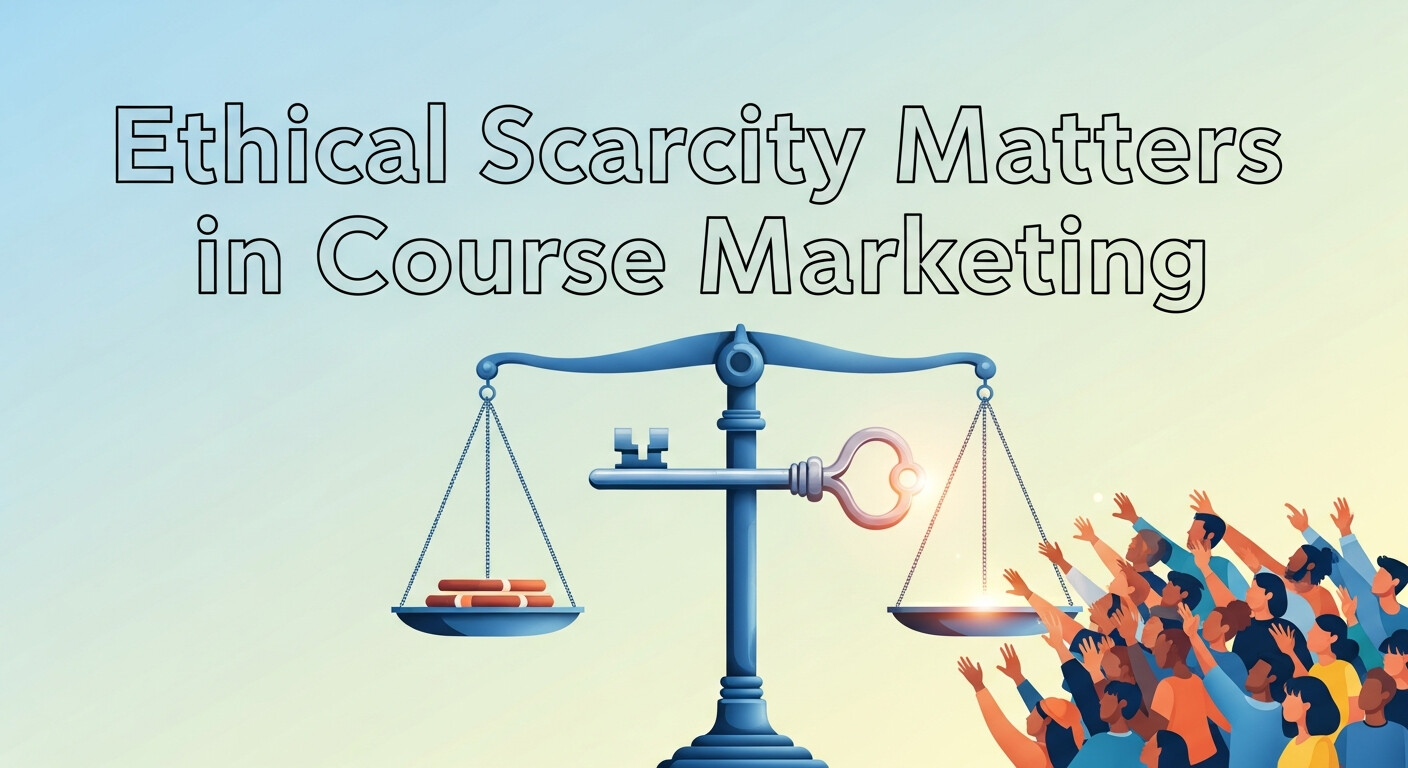
In online education, trust is currency. Ethical Scarcity Marketing protects that trust by avoiding exaggerated claims or artificial deadlines. Learners today are highly aware of sales tactics, and unethical urgency can quickly damage credibility. By using Ethical Scarcity Marketing, course creators show respect for their audience’s intelligence and time. This approach also reduces refunds and dissatisfaction because expectations are clearly set. Ethical Scarcity Marketing supports relationship-based selling, where students feel confident in their purchase rather than pressured. Over time, this leads to stronger word-of-mouth growth and a healthier learning community.
Ethical Scarcity Marketing vs Fake Urgency
Fake urgency depends on endless countdown resets, misleading ‘last chance’ messages, and exaggerated scarcity claims that quickly erode trust. Ethical Scarcity Marketing takes the opposite approach by remaining consistent, verifiable, and honest. When enrollment is said to close, it actually closes, reinforcing credibility and brand authority. This approach avoids emotional manipulation and instead focuses on clear communication of value, timing, and real constraints. While fake urgency may create short-term sales spikes, Ethical Scarcity Marketing builds sustainable revenue and long-term loyalty. Choosing ethical practices over tricks ensures course marketing supports lasting growth, stronger relationships, and a reputation built on trust rather than pressure.
Using Pre-Launch Strategy to Build Natural Urgency
A strong Pre-Launch Strategy is one of the most effective ways to apply Ethical Scarcity Marketing. By sharing behind-the-scenes updates, educational content, waitlists, and early-access opportunities, course creators prepare their audience without applying pressure. During pre-launch, the focus remains on clarity, value, and anticipation rather than aggressive selling. Limited beta access or early-bird bonuses feel fair because they reward genuine interest and early engagement. When aligned with a thoughtful Pre-Launch Strategy, Ethical Scarcity Marketing allows urgency to develop naturally, making the final launch feel exciting, intentional, and supportive rather than stressful or overwhelming for potential students.
Course Bundling as an Ethical Scarcity Tactic
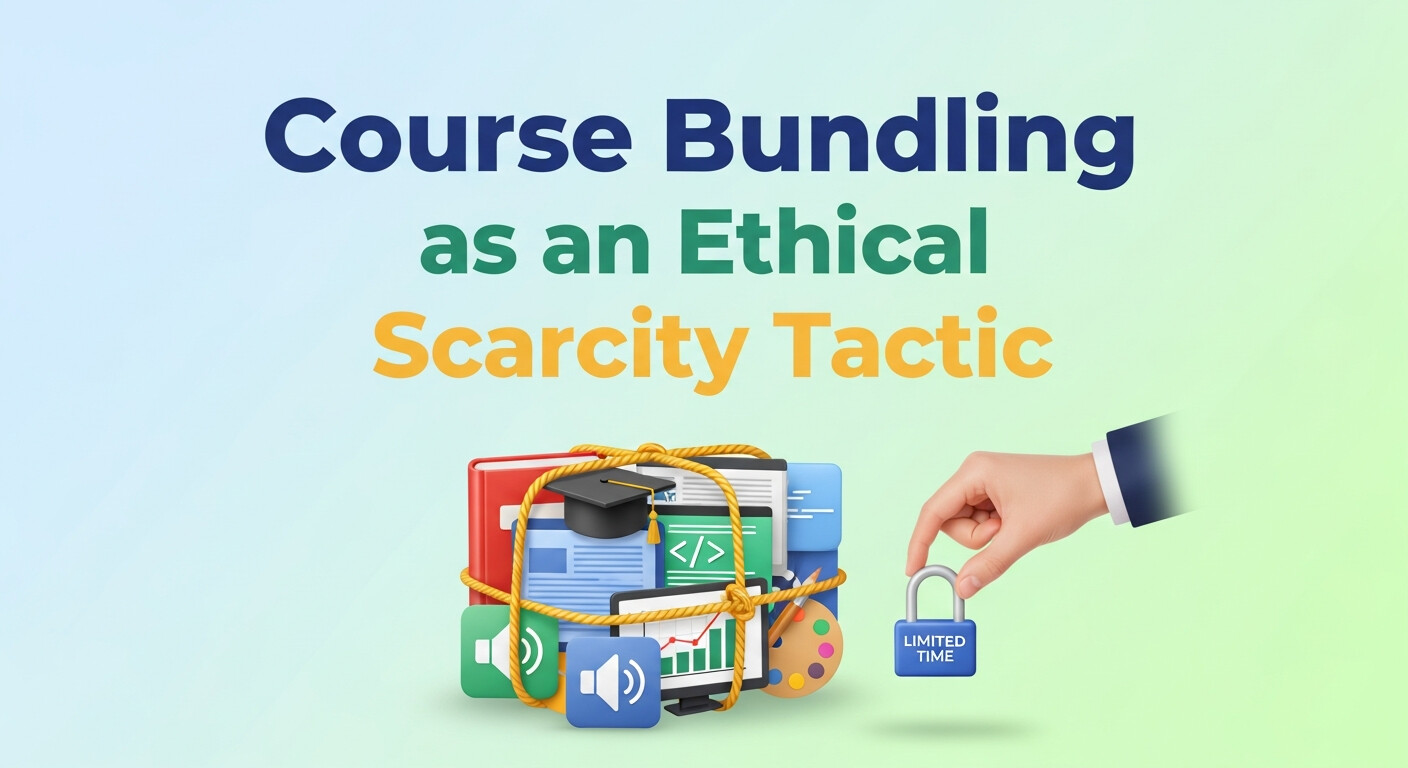
Course Bundling can effectively support Ethical Scarcity Marketing when used with transparency and clear intent. Instead of relying on constant discounts, limited-time bundles should offer genuine added value. Making bundles available for specific reasons, such as a launch window or cohort kickoff, helps urgency feel fair and logical. Course Bundling also allows learners to see a complete learning journey rather than isolated products, improving clarity and confidence. When positioned honestly, this approach creates urgency without pressure. Ethical Scarcity Marketing combined with Course Bundling encourages thoughtful purchasing decisions, strengthens perceived value, and increases enrollment confidence while maintaining trust and long-term credibility.
The Hidden Cost of Overpromotion in Course Marketing
Ignoring Ethical Scarcity Marketing often leads to the hidden cost of overpromotion in course marketing. Constant promotional emails, aggressive countdown timers, and repeated ‘last chance’ messages quickly create audience fatigue. Over time, trust erodes, open rates decline, and brand reputation weakens as learners become desensitized to urgency. Ethical Scarcity Marketing helps prevent this burnout by limiting promotions to meaningful, well-timed moments rather than continuous pressure. By reducing noise and focusing on clarity, value, and honest communication, course creators protect long-term audience relationships. Understanding the hidden cost of overpromotion highlights why Ethical Scarcity Marketing is not only more ethical but also a smarter, more sustainable strategy for growth and credibility.
Ethical Scarcity Tactics That Actually Work
Ethical scarcity works best when it is rooted in real value and transparent communication. Rather than forcing urgency, these tactics help learners understand why timing matters and how the offer fits their needs, allowing decisions to feel informed, respectful, and confident instead of pressured or rushed.
Key tactics include:
- Limited cohort sizes to protect learning quality
- Time-bound bonuses with clear removal dates
- Early-access opportunities for engaged audiences
- Waitlists that reward interest, not pressure
| Tactic | Why It Works | Ethical Consideration |
|---|---|---|
| Cohort limits | Ensures better support | Must be enforced honestly |
| Early-bird access | Rewards commitment | Deadline should be real |
| Bonus expiration | Adds value urgency | Bonus must truly end |
| Waitlist priority | Builds anticipation | No false promises |
These methods guide decision-making without manipulation and strengthen long-term trust.
Micro-Testimonial Marketing to Support Ethical Scarcity
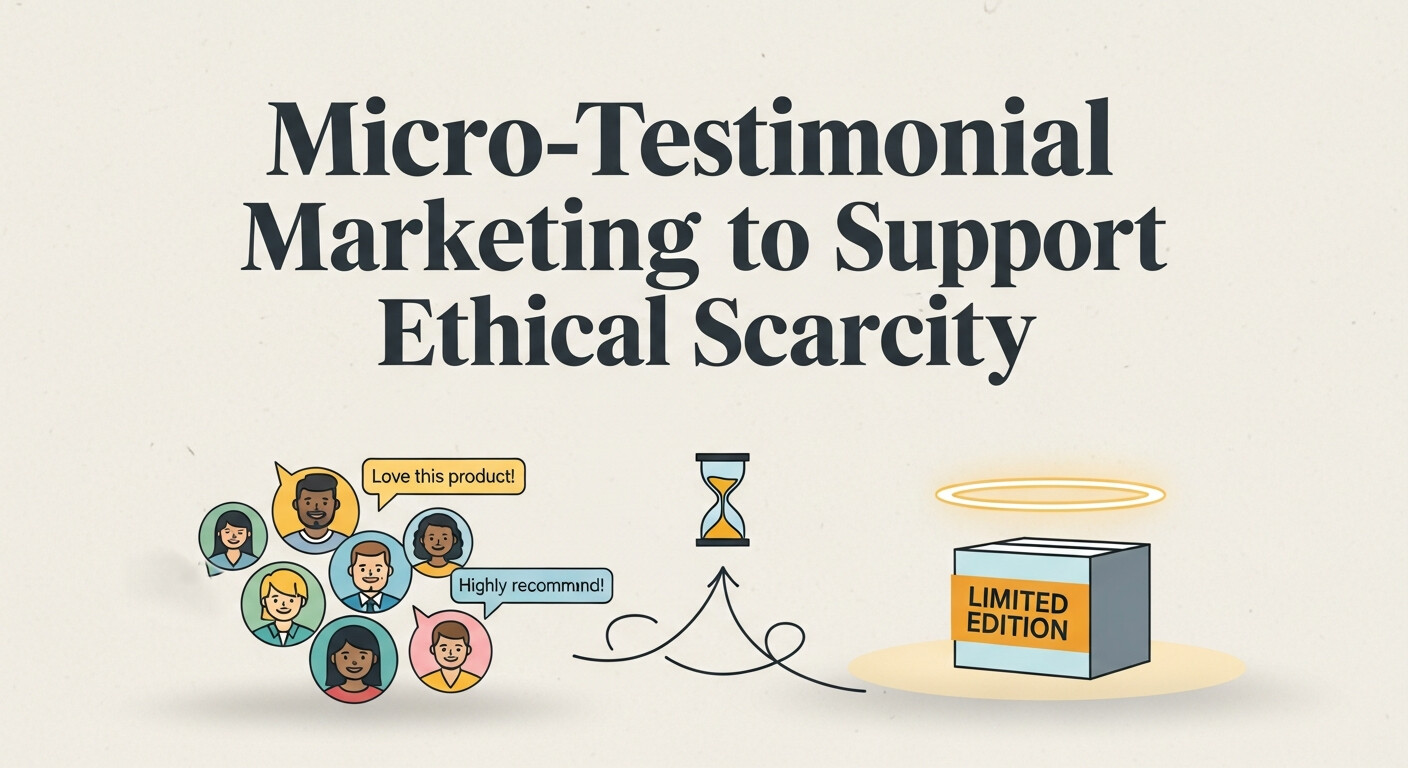
Micro-Testimonial Marketing works especially well alongside Ethical Scarcity Marketing by reinforcing trust without creating pressure. Short, authentic feedback from real students highlights genuine value without hype or exaggerated claims. Rather than showcasing extreme success stories, this approach focuses on realistic outcomes learners can relate to. Subtle social proof helps potential students feel informed and confident instead of rushed. When used during limited enrollment periods, micro-testimonials support urgency by demonstrating real experiences at the right moment. Ethical Scarcity Marketing ensures testimonials educate rather than manipulate, strengthening credibility, emotional connection, and long-term trust between course creators and their audiences.
Setting Honest Limits on Time and Access
Time-based and access-based limits are essential elements of Ethical Scarcity Marketing. Enrollment windows, limited cohort sizes, or restricted mentor availability are valid constraints when communicated clearly and honestly. Following through on these limits is crucial for maintaining trust and credibility. Clear boundaries help learners prioritize decisions without feeling pressured or coerced. When students understand why access is limited, urgency feels logical rather than manipulative. Ethical Scarcity Marketing reframes these boundaries as quality-control measures that protect the learning experience. By focusing on transparency and value, scarcity becomes a benefit for both learners and course creators, not a sales trick designed to force quick decisions.
Measuring Success Without Compromising Ethics
Success in Ethical Scarcity Marketing goes beyond conversion rates and short-term revenue. Metrics such as student satisfaction, course completion rates, engagement levels, and referrals provide a clearer picture of long-term impact. While this approach may not create sudden sales spikes, it supports consistent and sustainable growth over time. Tracking audience behavior during pre-launch and launch phases helps refine messaging and timing without compromising integrity. When learners feel respected and informed, they are more likely to become advocates who recommend the course to others. Ethical Scarcity Marketing demonstrates that trust, transparency, and profitability can successfully coexist without relying on aggressive or fear-based pressure tactics.
Common Mistakes to Avoid When Using Scarcity
Even well-intentioned course creators can misuse scarcity when strategy and communication are unclear. Without defined limits or purpose, urgency feels confusing or manipulative. Understanding common mistakes helps maintain credibility, protects audience trust, and ensures scarcity supports value, transparency, and long-term relationship building rather than short-term sales pressure.
Mistakes to watch out for:
- Repeating the same urgency message too often
- Extending deadlines without explanation
- Using unclear or confusing limits
- Promoting scarcity without explaining value
| Mistake | Impact on Audience | Better Alternative |
| Deadline extensions | Reduces trust | Set firm dates |
| Over-emailing | Audience fatigue | Focused sequences |
| Vague limits | Confusion | Clear explanations |
| Hype-based urgency | Skepticism | Value-based messaging |
The Future of Ethical Scarcity in Course Marketing
The future of ethical scarcity in course marketing is closely tied to transparency, personalization, and trust-based leadership. As learners become more informed and selective, exaggerated urgency tactics will continue to lose effectiveness. Course creators will increasingly rely on real constraints such as cohort-based learning, limited mentorship access, and community-driven value. Ethical scarcity will evolve alongside data-driven course marketing, allowing marketers to present urgency at the right moment without overwhelming audiences. In the long term, brands that prioritize honesty and learner respect will stand out, building sustainable growth, stronger relationships, and higher lifetime value through responsible marketing practices.
Conclusion
Ethical scarcity works best when honesty leads every decision. By setting real limits, explaining them clearly, and respecting learner choice, course creators can motivate action without creating pressure or discomfort. This approach shifts urgency from fear to value, helping potential students decide with confidence. Ethical scarcity also strengthens brand credibility, reduces buyer’s remorse, and encourages long-term loyalty. When urgency is aligned with transparency and genuine constraints, Digital marketing feels supportive rather than sales-driven. Over time, this balance creates healthier launches, stronger communities, and sustainable growth built on trust instead of tactics.
Frequently Asked Questions (FAQ)
1. What does ethical scarcity mean in course marketing?
Ethical scarcity means limiting access, time, or bonuses for genuine reasons such as capacity, learning quality, or support availability. It avoids fake deadlines and respects learner choice, helping people decide confidently without emotional pressure or manipulation.
2. Is scarcity marketing manipulative by default?
Scarcity is only manipulative when it is false or exaggerated. When limits are real and clearly explained, scarcity simply helps learners prioritize decisions instead of forcing quick purchases or creating unnecessary fear.
3. Can small course creators use scarcity ethically?
Small creators often have real limits on time, mentoring, or cohort size. Clearly communicating these constraints makes urgency feel natural, honest, and aligned with delivering a better learning experience.
4. How long should a course enrollment window stay open?
There is no fixed rule for enrollment duration. Most windows last a few days to two weeks, depending on audience readiness, course format, and the creator’s ability to support students effectively.
5. Are countdown timers always unethical?
Countdown timers are ethical only when they reflect a real deadline and are enforced consistently. If a timer resets or continues after expiring, it undermines trust, weakens credibility, and harms long-term brand trust reputation with increasingly skeptical audiences.
6. How does pre-launch content support urgency?
Pre-launch content builds awareness before selling. It educates the audience, sets expectations, and creates anticipation so learners recognize the right time to act without feeling rushed.
7. Should bonuses be limited-time offers?
Limited-time bonuses work best when the limitation is genuine and clearly communicated. They reward early action, increase perceived value, and motivate timely decisions, as long as bonuses are removed exactly as promised and not extended to create false urgency.
8. How many promotional emails are too many?
Promotional emails become excessive when they feel repetitive or pushy. A short, focused sequence with clear value is more effective than constant reminders or pressure-driven messaging.
9. Can testimonials create pressure?
Testimonials only create pressure when results are exaggerated or unrealistic. Short, honest feedback sets proper expectations, helps learners understand achievable outcomes, and supports informed, confident decisions without fear, hype, or misleading promises during the buying process.
10. Does ethical urgency reduce sales?
Ethical urgency often improves sales quality rather than reducing conversions. Buyers feel confident in their decisions, refund rates decrease, and long-term loyalty grows because purchases are driven by clarity, trust, and value instead of pressure or fear-based tactics.
11. Is it okay to close enrollment completely?
Closing enrollment is acceptable and often beneficial for course creators. It protects learning quality, improves focus, and manages support capacity. When reopening follows a clear schedule, it strengthens credibility, builds anticipation, and reinforces trust among prospective learners.
12. How do learners respond to honest limitations?
Most learners respond positively to transparency in marketing. Clear limits reduce confusion, set proper expectations, and build trust. When boundaries are honest and consistent, audiences respect the offer, value the creator’s integrity, and feel more confident making timely decisions.
13. What is the biggest mistake in scarcity-based launches?
The biggest mistake is overpromotion, where repeated urgency messages overwhelm audiences. Constant reminders weaken trust, reduce credibility, and cause fatigue. Over time, people learn to ignore deadlines, delay decisions, and wait for extensions instead of responding with confidence and clarity.