Workshop Success Guide: How to Run a High-Impact Workshop That Delivers Results
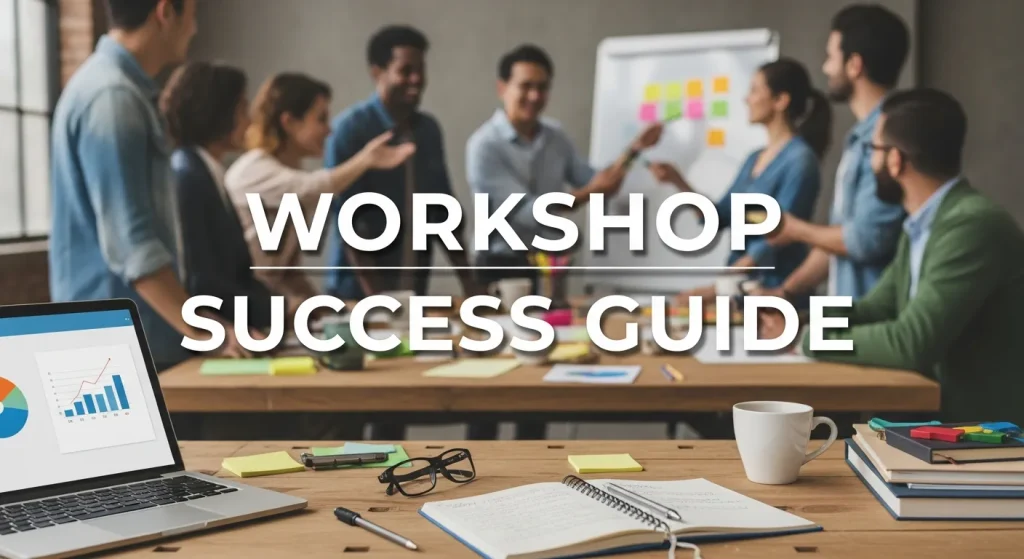
This Workshop Success Guide explains how a successful workshop combines clear goals, practical content, strong engagement, digital promotion, and performance tracking to deliver impactful learning, support course growth, enhance workforce training, and drive long-term educational success.
A well-planned Workshop is one of the most effective ways to share knowledge, develop skills, and promote learning initiatives. Whether you are delivering training courses to workforce teams or promoting online courses, workshops create interactive learning environments that drive engagement and real results. From planning content to using digital tools like social media ads and video-based learning, a successful workshop combines strategy, creativity, and clear objectives. In this guide, you’ll learn how to design, promote, and run workshops that support course promotion, improve online course engagement, and accelerate long-term learning growth.
Define Clear Workshop Goals and Outcomes
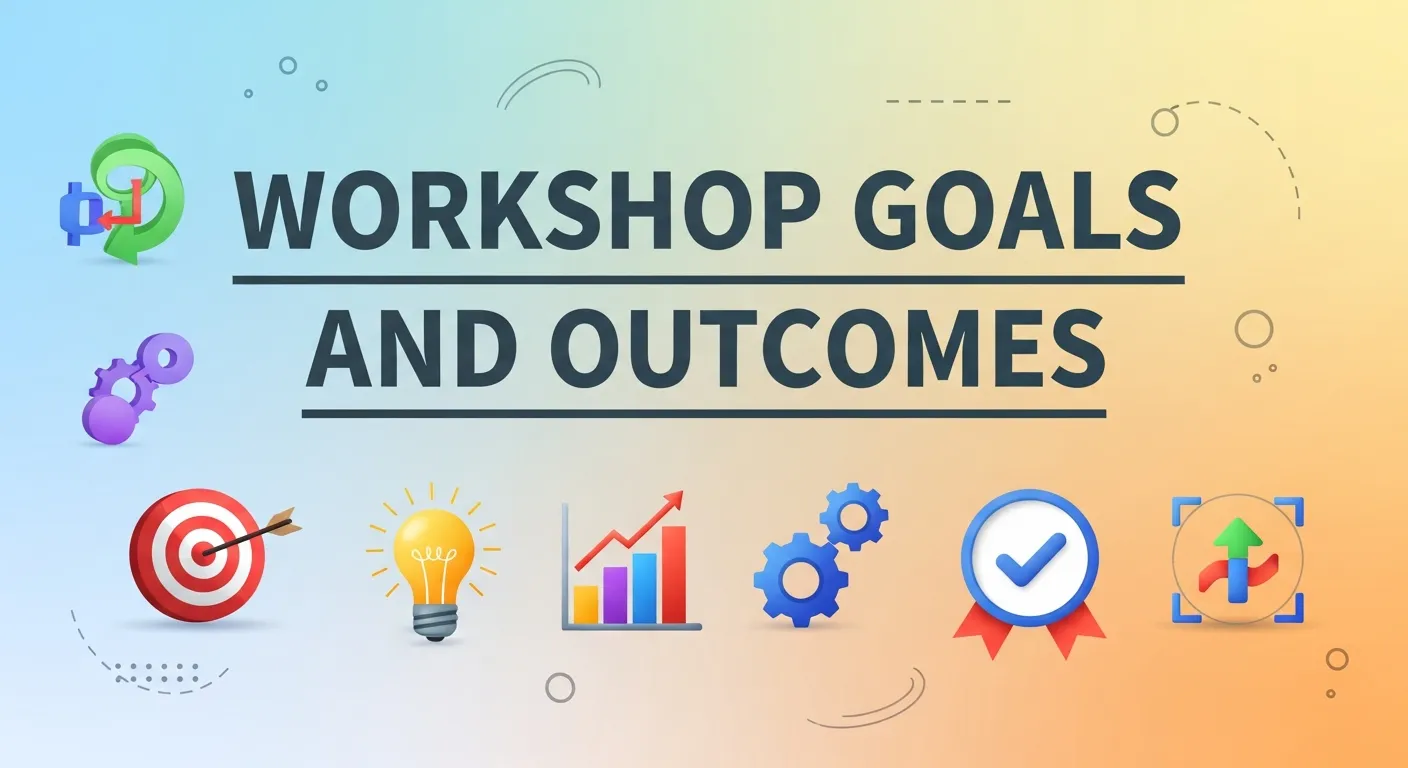
A successful Workshop starts with clearly defined goals and measurable outcomes. Before planning content or delivery methods, identify whether your workshop is designed for training courses to workforce teams, promoting online courses, or improving learner engagement. Clear objectives guide every decision, from session structure to interaction methods. When participants understand what skills or knowledge they will gain, they remain more focused, motivated, and willing to participate. Aligning workshop outcomes with business or learning goals—such as skill development, course enrollments, or performance improvement—ensures long-term value. Well-defined goals also make it easier to track results, evaluate success, and optimize future workshops for better engagement, stronger conversions, and sustainable learning growth.
Design Workshop Content That Solves Real Problems
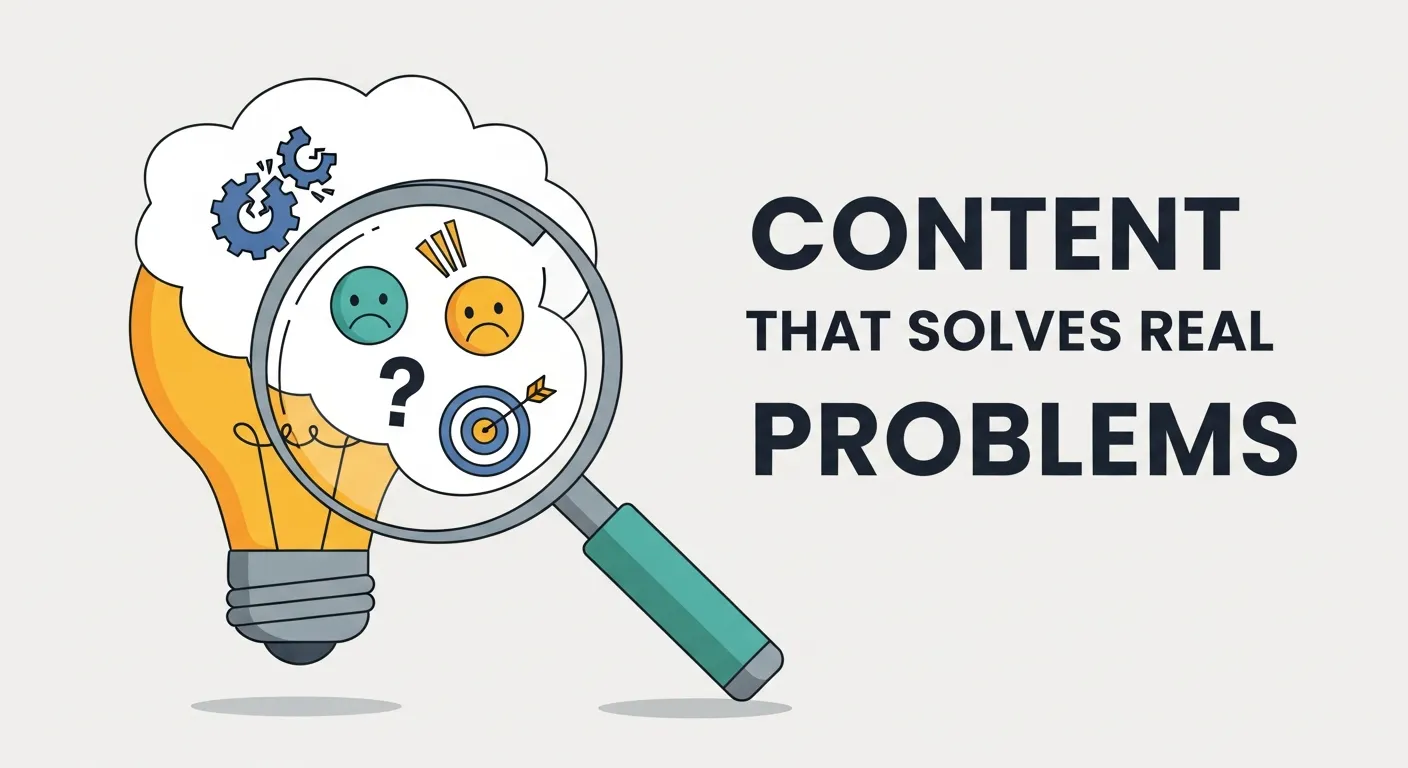
Designing effective Workshop content means focusing on real problems your audience faces every day. Instead of theory alone, deliver practical insights, real-world examples, and clear action steps participants can apply immediately. Structured modules, case studies, and hands-on exercises help keep learners engaged and make complex ideas easier to understand. If your workshop supports course promotion workshops, clearly demonstrate how your courses provide solutions to specific challenges. High-quality, problem-solving content builds trust, authority, and credibility with your audience. When participants experience immediate value during the workshop, they are more likely to continue learning, enroll in your online courses, and engage with your training programs long after the session ends.
Choose the Right Workshop Format (Online or Offline)

Choosing the right Workshop format plays a key role in achieving your learning and business goals. In-person workshops offer direct interaction, hands-on activities, and stronger personal connections, making them ideal for collaborative training. Online workshops, on the other hand, provide scalability, cost efficiency, and global accessibility, supporting online courses video growth and remote workforce training. Hybrid workshops combine the benefits of both formats by offering flexibility without sacrificing engagement. When selecting a format, consider your audience size, technical capabilities, learning objectives, and available resources. A well-matched workshop format improves participation, ensures smooth delivery, enhances learner satisfaction, and maximizes the overall impact of your training and course promotion efforts.
Promote Your Workshop Using Digital Channels
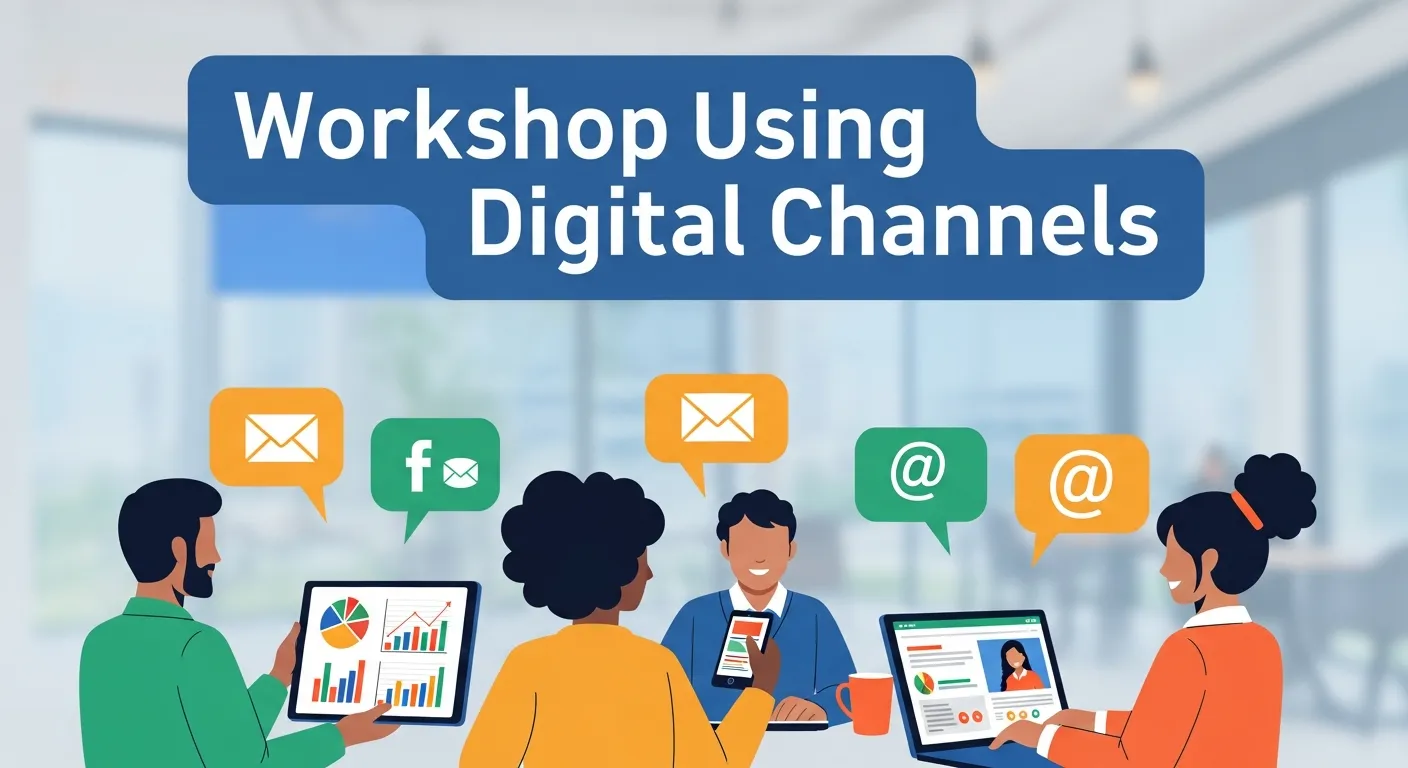
Effective promotion is essential to ensure Workshop success and strong attendance. Digital channels allow you to reach the right audience at the right time with targeted messaging. Using social media ads online courses helps attract learners who are already interested in skill development and online education. Email marketing, optimized landing pages, and content marketing further increase visibility and credibility. Clearly highlight workshop benefits, learning outcomes, and incentives to encourage sign-ups. Maintaining consistent messaging across all digital platforms builds trust and improves brand recognition. A well-executed promotional strategy not only fills workshop seats but also strengthens long-term course promotion, increases audience engagement, and supports sustainable brand growth.
Build a Strong Post-Workshop Follow-Up Strategy
Create a Structured Workshop Agenda
A clear and well-structured agenda is essential for running an effective Workshop. An organized agenda outlines session timing, topics, activities, and breaks, helping participants understand what to expect. Structure keeps the workshop focused and ensures balanced coverage of all key topics. It also helps facilitators manage time efficiently and avoid rushing or skipping important content. Including interactive segments within the agenda encourages participation and maintains energy levels. When learners can follow a logical flow from introduction to conclusion, comprehension improves. A strong agenda enhances professionalism, reduces confusion, and creates a smoother learning experience that supports better engagement and outcomes.
Use Pre-Workshop Communication to Set Expectations
Pre-workshop communication plays a crucial role in preparing participants for a successful Workshop. Sharing agendas, learning objectives, technical requirements, and preparation materials in advance builds confidence and reduces uncertainty. Clear communication helps participants understand the value of attending and how to participate effectively. Sending reminder email marketing data, access links, and expectations also improves attendance and punctuality. When learners arrive informed and prepared, engagement starts earlier and sessions run more smoothly. Effective pre-workshop communication sets the tone, improves participation quality, and ensures a more productive learning environment for both facilitators and attendees.
Personalize Workshop Experiences for Different Audiences
Personalization significantly improves the effectiveness of any Workshop by aligning content with the unique needs of different audiences. Customizing examples, case studies, and activities based on participant roles, industries, or skill levels makes learning more relevant and practical. As highlighted in this Workshop Success Guide, using surveys or registration forms to gather insights in advance helps tailor sessions effectively. When participants feel the workshop is designed specifically for them, engagement, motivation, and satisfaction increase, leading to stronger learning outcomes and more successful training or course promotion efforts.
Increase Engagement During the Workshop
Increasing engagement during a Workshop is essential for achieving strong learning outcomes and participant satisfaction. Active involvement keeps learners focused and encourages meaningful interaction throughout the session. Use live discussions, polls, Q&A segments, breakout rooms, and group activities to create a collaborative learning environment. These interactive methods significantly improve online course engagement and help participants better understand, retain, and apply new information. Avoid lengthy lectures by combining short presentations with hands-on exercises, real-time problem-solving, and practical demonstrations. A dynamic workshop structure maintains attention and motivation. When participants feel engaged and valued, they are more likely to complete related courses, apply learned skills, provide positive feedback, and recommend your workshops, supporting long-term learning success.
Build a Skilled and Confident Facilitation Team
A successful Workshop relies greatly on the skills, confidence, and preparation of its facilitators. Trainers should combine subject expertise with strong communication, facilitation, and engagement skills to guide learning effectively. A well-trained facilitation team can manage group dynamics, encourage discussion, and address questions with confidence. As outlined in this Workshop Success Guide, providing facilitators with clear agendas, interaction plans, and technical training ensures smoother delivery. Skilled facilitators maintain energy, build trust, and keep sessions aligned with learning goals, resulting in higher satisfaction and stronger learning outcomes.
Encourage Collaboration and Peer Learning
Ensure Accessibility and Inclusive Learning
Accessibility is essential for delivering an inclusive Workshop experience that reaches and engages diverse audiences. Use clear language, visual aids, captions, and flexible participation options to support different learning needs. Online workshops should function smoothly across devices and internet speeds, while in-person sessions must accommodate physical accessibility requirements. Inclusive design ensures all participants can engage fully, regardless of ability or background. From a strategic perspective, accessibility also supports the-synergistic-relationship-between-advertising-and-sales by expanding audience reach and improving trust and brand perception. Providing content in multiple formats—such as slides, recordings, and written materials—enhances learning effectiveness. An accessible workshop improves satisfaction, broadens reach, and demonstrates professionalism, making learning opportunities more equitable and impactful.
Deliver Online Courses Effectively Through Workshops
Running online courses effectively requires more than simply uploading content—it demands structured learning, guidance, and active engagement. Workshops provide an ideal framework to introduce, support, and enhance online courses by walking learners through key topics in real time. Live instruction, interactive discussions, polls, and practical demonstrations help learners gain clarity, confidence, and immediate understanding. Workshops also give instructors the opportunity to address questions instantly, reinforce complex concepts, and motivate participation. As outlined in this Workshop Success Guide, combining workshops with video sessions, digital tools, and post-session resources ensures learning continuity and long-term retention. When used strategically, workshops significantly improve online course effectiveness, boost engagement, increase completion rates, and transform online education into a more interactive, results-driven learning experience.
Leverage Video and Digital Tools for Growth
Leveraging video and digital tools expands Workshop reach and supports long-term learning growth. Recorded sessions enable on-demand access, improving flexibility, engagement, and knowledge retention. Learning platforms, collaboration tools, and analytics track participation and performance, while marketing campaigns using ai tools enhance targeting and promotion. These technologies improve accessibility, scalability, and continuity for learners and workforce teams.
Align Workshops With Long-Term Learning Strategy
Workshops are most effective when aligned with a broader learning strategy rather than treated as standalone events. Integrating a Workshop into ongoing training programs or structured online course pathways creates continuity and long-term value. Workshops can function as introductions for new learners, refreshers for skill reinforcement, or advanced sessions for deeper learning within a guided journey. This strategic alignment supports skill progression, reinforces key concepts over time, and improves course completion rates. As highlighted in this Workshop Success Guide, when workshops connect seamlessly with long-term learning and business goals, participants remain more engaged and motivated. Aligning workshops strategically ensures they contribute to sustained learning growth, workforce development, and stronger overall educational outcomes.
Measure Workshop Success and Optimize Future Sessions
Measuring Workshop success is critical for improving performance and maximizing long-term value. Begin by tracking key metrics such as attendance, participation levels, learner engagement, feedback ratings, and course conversion after workshops outcomes. Surveys, polls, and analytics tools provide clear insights into what worked well and where adjustments are needed. Reviewing this data helps refine workshop content, improve delivery techniques, and strengthen promotional strategies for future sessions. Continuous optimization ensures that each workshop becomes more engaging and results-driven over time. By using performance insights to guide strategic decisions, organizations can enhance learning outcomes, strengthen training courses to workforce teams, increase online course effectiveness, and achieve sustained growth from their learning and course promotion initiatives
Conclusion
Running a successful Workshop requires thoughtful planning, engaging content, and a learner-focused approach. From setting clear goals and designing problem-solving content to choosing the right format and using digital Finance tools, every step plays a role in achieving meaningful outcomes. Effective promotion, active engagement, and strong follow-up strategies ensure workshops deliver lasting value beyond a single session. Measuring performance and aligning workshops with long-term learning goals helps organizations continuously improve and scale their training efforts. When executed strategically, workshops become powerful tools for workforce development, online course promotion, and sustained learning growth, creating impactful experiences for both learners and organizations.
FAQ Section
Q1: What makes a Workshop successful?
A successful Workshop has clear objectives, well-structured content, active participation, and measurable outcomes. According to this Workshop Success Guide, aligning content with learner needs and business goals is key to lasting impact.
Q2: How long should a Workshop be?
Most workshops run between 1–3 hours. The ideal length depends on topic complexity, interaction level, and audience attention span.
Q3: Can workshops help promote online courses?
Yes, workshops are highly effective for promoting online courses by demonstrating value, building trust, and encouraging learners to continue their learning journey.
Q4: Are online workshops as effective as in-person ones?
Online workshops can be just as effective when designed with interactive tools, live engagement, and clear facilitation strategies.
Q5: How can I increase workshop attendance?
Use targeted social media ads, email campaigns, and compelling messaging that clearly communicates workshop benefits and outcomes.
Q6: Should I record my Workshop sessions?
Yes, recordings support flexible learning, improve content reuse, and extend workshop value for future learners.
Q7: How do I measure Workshop ROI?
Track attendance, engagement levels, feedback scores, and post-workshop conversions to evaluate overall effectiveness.
Q8: Who should host a Workshop?
Workshops should be led by subject matter experts or experienced trainers who understand audience challenges and can deliver practical solutions.
Q9: How can workshops support workforce upskilling?
Workshops provide hands-on learning, real-world scenarios, and interactive training that help teams quickly develop and apply new skills.
Q10: What tools are best for managing online workshops?
Learning management systems, video conferencing platforms, engagement tools, and analytics software are essential tools highlighted in any effective Workshop Success Guide.