Learning Analytics: How to Personalize Your Online Course for Maximum Engagement
What Is Learning Analytics?

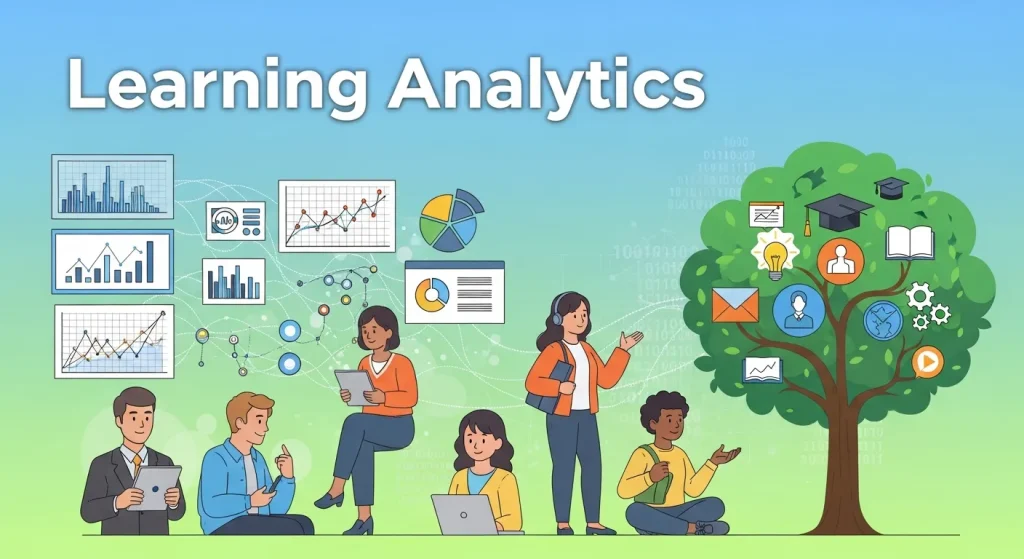
Learning Analytics is the structured process of measuring, collecting, analyzing, and reporting data related to learners and their learning environments. Its main objective is to understand how learners interact with course content and to improve both learning outcomes and instructional design. Through Learning Analytics, educators can observe assessment performance, lesson engagement, video interaction, and communication patterns. These insights help instructors identify learning gaps, recognize behavioral trends, and predict potential performance issues. By transforming raw learner data into actionable insights, Learning Analytics enables informed decision-making. As a result, course creators can design smarter learning experiences, provide timely support, and ensure learners progress effectively throughout their educational journey.
Benefits of Personalization Through Learning Analytics
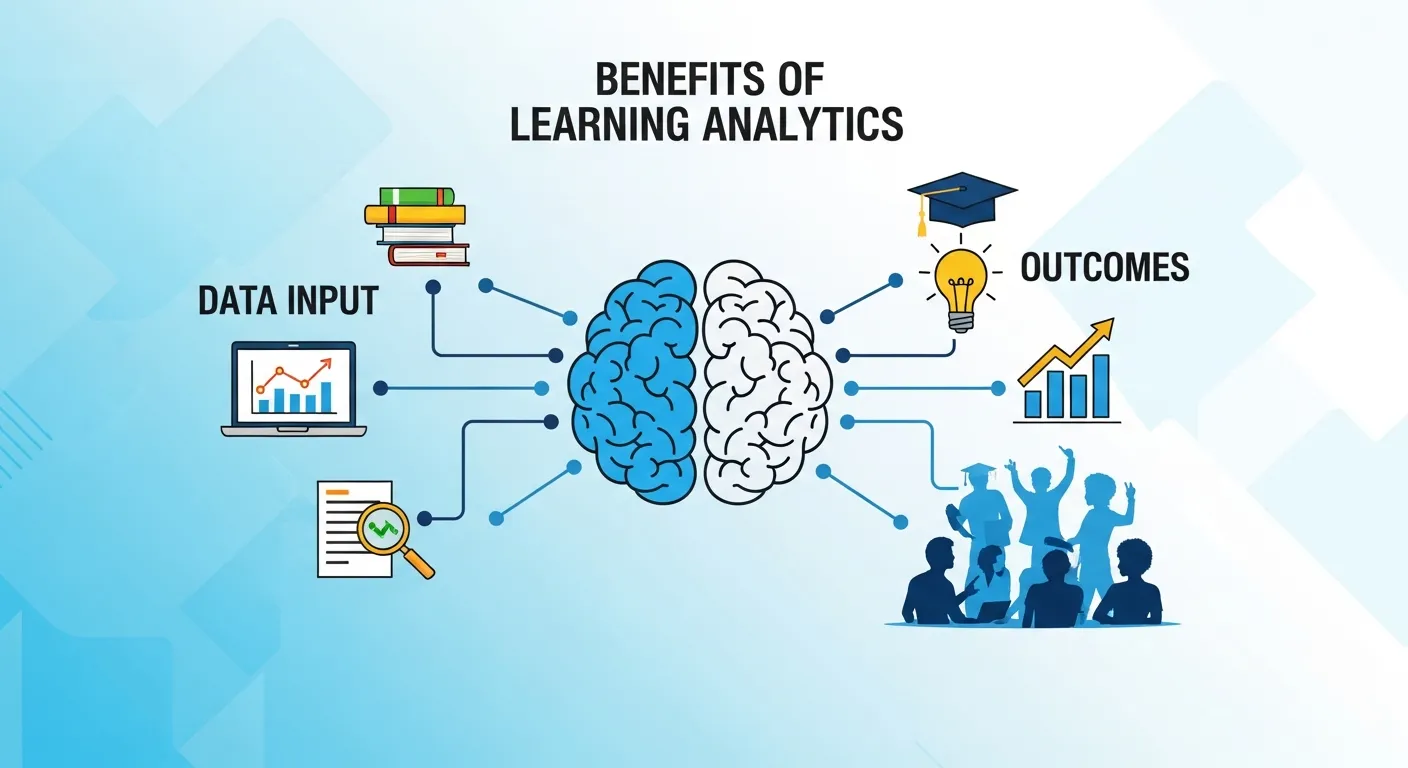
Personalization through Learning Analytics allows online courses to adapt dynamically to individual learner needs. When content aligns with a learner’s skill level, pace, and preferences, engagement increases naturally. Learning Analytics helps identify struggling learners early, allowing instructors to intervene before frustration leads to dropout. Personalized learning paths, adaptive pacing, and targeted feedback improve learner satisfaction by creating a supportive learning environment. Additionally, data-driven personalization enhances knowledge retention by ensuring learners master concepts before advancing. For course creators, Learning Analytics makes it possible to scale personalized support efficiently without relying heavily on manual intervention, making personalized education sustainable and impactful.
Gathering and Analyzing Student Data
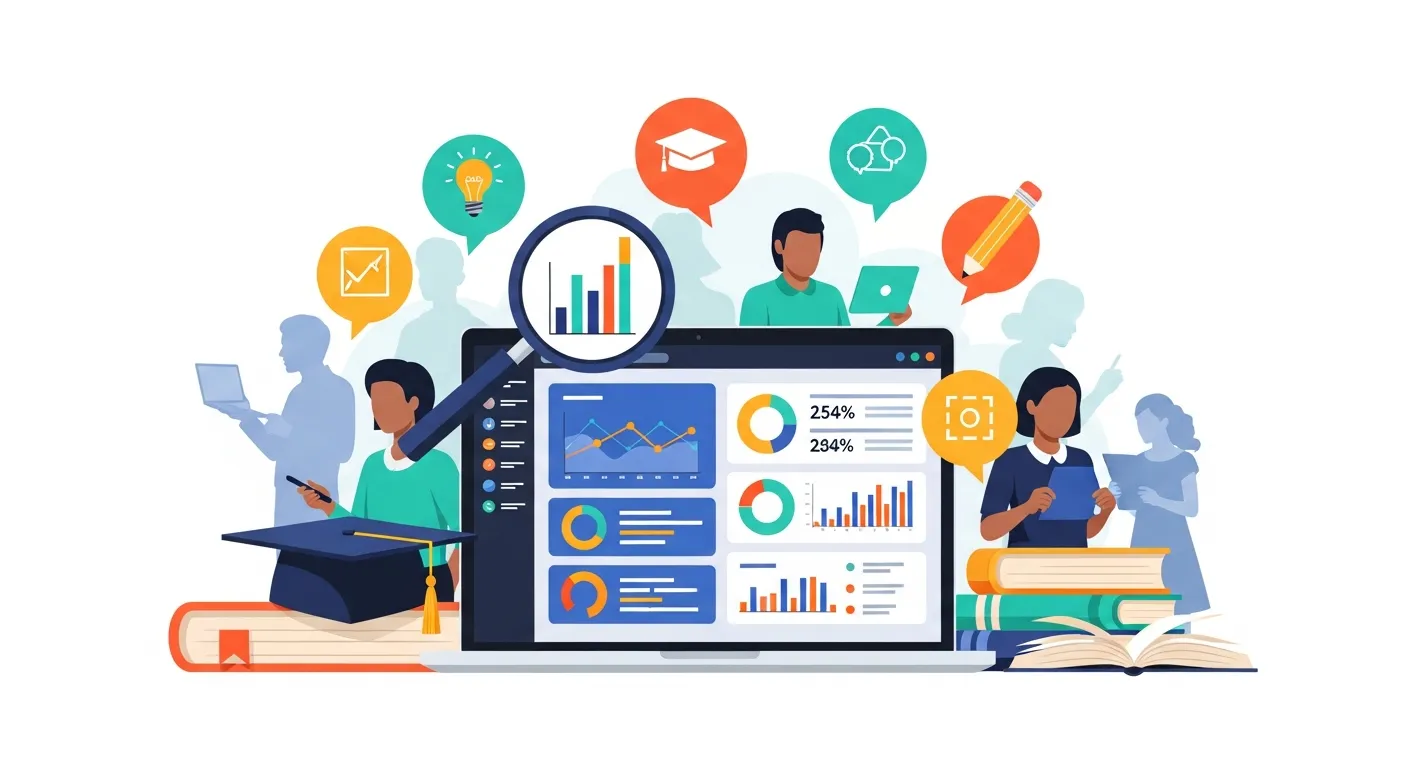
Effective Learning Analytics starts with collecting accurate, relevant, and meaningful learner data. Learning management systems track learner progress, time spent on lessons, and assessment results. Quizzes and surveys provide insight into learner understanding and sentiment, while video analytics reveal engagement trends such as replays and drop-off points. Discussion forums contribute qualitative data by highlighting learner questions and participation behavior. External analytics tools can further expand data visibility. While collecting data, maintaining transparency and complying with privacy regulations like GDPR or CCPA is essential. Ethical data collection builds learner trust and ensures analytics-driven personalization remains responsible and effective.
Selecting the Right Learning Analytics Tools
Choosing the right tools is critical for successful Learning Analytics implementation. Many modern LMS platforms include built-in analytics features that simplify learner tracking and reporting. These tools help instructors monitor engagement, performance, and course effectiveness in real time. For deeper insights, business intelligence platforms can integrate learning data with marketing or operational metrics, providing a broader performance overview. The right Learning Analytics tools should align with course goals, technical capacity, and budget. By selecting appropriate platforms, course creators can streamline data analysis, uncover actionable insights, and make informed decisions that improve both learner experience and course outcomes.
Implementing Data-Driven Personalization Strategies
Once Learning Analytics systems are in place, data can be used to personalize the learner journey effectively. Adaptive learning paths allow learners to progress based on performance rather than a fixed structure. Automated feedback systems provide specific guidance based on learner mistakes, making feedback more meaningful. Personalized reminders and learning nudges help re-engage inactive learners and encourage consistency. Intelligent content recommendations guide learners toward resources that match their strengths and learning gaps. Peer-based suggestions also promote collaboration. Together, these Learning Analytics-driven strategies create a responsive learning environment that supports learner success and long-term engagement.
The Impact of Learning Analytics on Learner Engagement
Learning Analytics significantly enhances learner engagement by providing insights into how students interact with course content. By analyzing data such as time spent on lessons, quiz attempts, and participation in discussions, educators can identify what keeps learners motivated. For example, if data shows that interactive videos have higher engagement rates, course creators can incorporate more of these elements. Personalized feedback and adaptive learning paths further ensure that learners remain actively involved, creating a more immersive and rewarding educational experience.
Gamification in Online Learning
Gamification in online learning integrates game-like elements such as points, badges, leaderboards, and challenges into digital courses to increase learner engagement and motivation. By applying gamification strategies, educators can transform passive learning into an interactive and rewarding experience. Gamification encourages learners to participate consistently, track their progress, and achieve milestones, which improves retention and completion rates. It also supports healthy competition and collaboration, helping learners stay motivated throughout the course. When aligned with clear learning objectives, gamification enhances knowledge retention and skill development. In online education, gamification not only makes learning more enjoyable but also creates a structured, goal-driven environment that supports long-term learner success. Read more about this topic: Gamification in Online Learning
Real-World Example of Learning Analytics
A digital marketing course facing high dropout rates leveraged Learning Analytics to identify problem areas within its curriculum. Data revealed that many learners struggled with Google Ads modules. By introducing adaptive quizzes that redirected low-performing learners to remedial content, the course addressed learning gaps effectively. Within three months, completion rates increased by 25 percent, and learner satisfaction improved significantly. This real-world example highlights how Learning Analytics transforms raw data into actionable improvements. By responding to learner behavior patterns, course creators can implement scalable personalization strategies that deliver measurable results and enhance overall course performance.
Use of Micro Learning
The use of micro learning focuses on delivering educational content in short, focused, and easily digestible units. This approach is especially effective in online learning environments where learners prefer quick access to relevant information. Micro learning improves knowledge retention by reducing cognitive overload and allowing learners to absorb content at their own pace. Short videos, bite-sized lessons, quick quizzes, and practical exercises make learning more flexible and engaging. The use of micro learning also supports just-in-time learning, enabling learners to access specific information exactly when they need it. By breaking complex topics into manageable segments, micro learning enhances learner motivation, supports continuous progress, and improves overall course completion rates. Click here to learn more: The Use of Micro Learning
Best Practices for Using Learning Analytics
To maximize the impact of Learning Analytics, it is important to follow best practices. Starting with small pilot initiatives allows course creators to test personalization strategies before scaling them. Transparency about data collection builds learner trust and encourages participation. Continuous testing and iteration help refine learning experiences over time. Collaboration between educators, instructional designers, and data analysts ensures insights are interpreted correctly and aligned with learning goals. Most importantly, Learning Analytics should support core learning objectives rather than focusing solely on engagement metrics. A thoughtful approach ensures sustainable and meaningful personalization.
Perfect LMS for Online Course
A perfect Learning Management System (LMS) is essential for creating, managing, and delivering successful online courses. It provides tools for content hosting, learner tracking, assessments, and communication in one centralized platform. An effective LMS supports multimedia lessons, progress analytics, mobile access, and seamless integrations with payment and marketing tools. By choosing the right LMS, course creators can enhance learner engagement, streamline course management, and ensure a smooth, scalable learning experience for both instructors and students. Dive deeper into this topic: How to Choose the Perfect (LMS)
Measuring Success and Continuous Improvement
Measuring the effectiveness of Learning Analytics-driven personalization requires tracking key performance indicators. Metrics such as course completion rates, assessment scores, time to completion, learner satisfaction, and support requests provide valuable insights into course performance. Dashboards allow instructors to monitor these metrics in real time and identify emerging patterns quickly. Continuous monitoring enables rapid adjustments, ensuring content remains relevant and effective. Learning Analytics supports a cycle of ongoing improvement where courses evolve based on learner needs, feedback, and performance data, leading to consistently better learning outcomes.
Role of Learning Analytics in Learner Motivation
Learning Analytics plays a crucial role in increasing learner motivation by making learning experiences more relevant and goal-oriented. When learners see content recommendations, progress indicators, and feedback that reflect their individual performance, they feel more connected to the course. Learning Analytics helps identify what motivates different learners, such as quick wins, deeper challenges, or flexible pacing. By aligning content delivery with learner motivation patterns, course creators can reduce boredom, prevent overwhelm, and encourage consistent participation. This motivational alignment not only improves engagement but also strengthens learner commitment throughout the course journey.
Using Learning Analytics to Enhance Assessment Strategies
Learning Analytics transforms assessments by making them more dynamic and learner-focused. Traditional assessments often rely on static quizzes or exams, but Learning Analytics enables adaptive assessments that adjust difficulty based on learner performance. For instance, if a student struggles with a concept, the system can provide simpler questions or additional resources. Conversely, high-performing learners can be challenged with advanced tasks. This approach ensures fair evaluation and supports mastery-based learning, where students progress only after demonstrating a clear understanding of the material.
Using Learning Analytics to Improve Course Design
Beyond personalization, Learning Analytics is a powerful tool for improving overall course design. By analyzing learner interaction data, educators can identify which lessons perform well and which create confusion or disengagement. Patterns such as repeated rewatches, skipped modules, or frequent assessment failures highlight areas that need redesign. Learning Analytics enables evidence-based course improvements rather than relying on assumptions. With continuous insights, course creators can refine content structure, simplify complex topics, and optimize learning flow, resulting in clearer, more effective, and learner-friendly course experiences.
Learning Analytics as a Competitive Advantage
In a competitive e-learning market, Learning Analytics provides a strong strategic advantage. Courses that adapt to learner behavior stand out from static, one-size-fits-all offerings. Learning Analytics allows course creators to demonstrate measurable outcomes such as higher completion rates, better learner satisfaction, and improved skill mastery. These results build trust, strengthen brand credibility, and support long-term growth. By leveraging Learning Analytics, educators can differentiate their courses, attract more learners, and position their offerings as high-value, results-driven learning solutions in an increasingly crowded digital education space.
Overcoming Common Learning Analytics Challenges
While Learning Analytics offers many benefits, it also presents challenges. Data privacy concerns require strong security measures and compliance with regulations. Poor data quality can limit insight accuracy, making regular audits essential. Limited resources and technical expertise can also hinder implementation. These challenges can be overcome by using affordable tools, investing in team upskilling, and collaborating with analytics professionals. A strategic and ethical approach to Learning Analytics ensures long-term success while maintaining learner trust and data integrity.
Future Trends in Learning Analytics
The future of Learning Analytics is driven by advances in artificial intelligence and machine learning. Predictive analytics will increasingly identify learners at risk of dropping out, enabling proactive support. Sentiment analysis will assess emotional engagement during learning activities. Standards like xAPI will allow seamless data integration across platforms, providing a complete view of the learner journey. These innovations will make Learning Analytics more powerful, accurate, and personalized, shaping the future of online education.
Conclusion
Learning Analytics has become essential for modern online education. By collecting meaningful data, selecting the right tools, and implementing thoughtful personalization strategies, course creators can deliver engaging, adaptive, and outcome-focused learning experiences. Starting with small improvements and committing to continuous optimization ensures long-term success. With Learning Analytics at the core of course design, educators can stand out in a competitive e-learning landscape while delivering real value to learners.
Frequently Asked Questions (FAQ)
1. What is Learning Analytics and why is it important?
Learning Analytics is the process of collecting and analyzing learner data to understand how students interact with online courses. It is important because it helps course creators personalize learning experiences, improve engagement, reduce dropout rates, and achieve better learning outcomes.
2. How does Learning Analytics support personalized learning?
Learning Analytics identifies learner behavior, performance patterns, and engagement levels. Based on these insights, courses can adapt content, pacing, feedback, and learning paths to match individual learner needs and skill levels.
3. What type of data is used in Learning Analytics?
Learning Analytics uses data such as quiz scores, course completion rates, time spent on lessons, video engagement, discussion activity, and learner feedback. This data helps evaluate progress and predict learning challenges.
4. Is Learning Analytics safe for learner privacy?
Yes, Learning Analytics can be safe when implemented responsibly. Course creators must follow data protection regulations, inform learners about data usage, and ensure data is stored securely and ethically.
5. Can small course creators use Learning Analytics?
Absolutely. Learning Analytics is not limited to large institutions. Many LMS platforms offer built-in analytics tools that are affordable and easy to use, making data-driven personalization accessible for individual educators and small businesses.
6. How do I start using Learning Analytics in my online course?
You can start by reviewing your LMS analytics dashboard, identifying one learning challenge, and testing a simple personalization strategy such as adaptive feedback or targeted content recommendations. Over time, expand based on results.
7. How does Learning Analytics improve course completion rates?
Learning Analytics improves course completion rates by identifying at-risk learners early and providing targeted interventions. For example, if a learner shows low engagement or struggles with specific topics, the system can recommend additional resources, send reminders, or adjust the course pacing. By addressing challenges proactively, Learning Analytics keeps learners motivated and on track, reducing dropout rates and ensuring more students successfully complete their courses.
8. What tools are commonly used for Learning Analytics?
Common tools for Learning Analytics include Learning Management Systems (LMS) like Moodle, Canvas, and Blackboard, which offer built-in analytics dashboards. Other tools like Google Analytics, Tableau, and Power BI can provide deeper insights into learner behavior and engagement. These platforms help educators track metrics such as time spent on lessons, quiz performance, and overall progress, enabling data-driven decisions to improve learning outcomes.
9. Can Learning Analytics predict learner success?
Yes, Learning Analytics can predict learner success by analyzing patterns in engagement, performance, and behavior. For instance, consistent participation in discussions, high quiz scores, and regular logins are indicators of success. Predictive models use this data to identify learners who are likely to excel or struggle, allowing educators to provide timely support or advanced challenges to optimize learning outcomes.
10. What are the challenges of implementing Learning Analytics?
Challenges of implementing Learning Analytics include ensuring data privacy, interpreting complex data, and integrating analytics tools with existing systems. Educators may also face a learning curve when adopting new technologies. To overcome these challenges, it’s essential to start small, focus on actionable insights, and provide training for instructors. Clear communication with learners about data usage also builds trust and ensures ethical implementation.