Master Video Content Strategies to Engage Students and Boost Your Online Course Sales
In today’s highly competitive e-learning landscape, effective Content Strategies are essential for standing out and driving real results. Among all formats, video has proven to be the most powerful way to capture attention, explain complex ideas, and build trust with learners. If you want to increase student engagement, improve retention, and boost online course sales, a smart video-based content strategy is no longer optional—it’s a necessity.
This comprehensive guide explores proven Content Strategies for using video in online courses, covering everything from planning and production to SEO, promotion, and performance tracking.
Why Video Content Is a Core Part of Modern Content Strategies
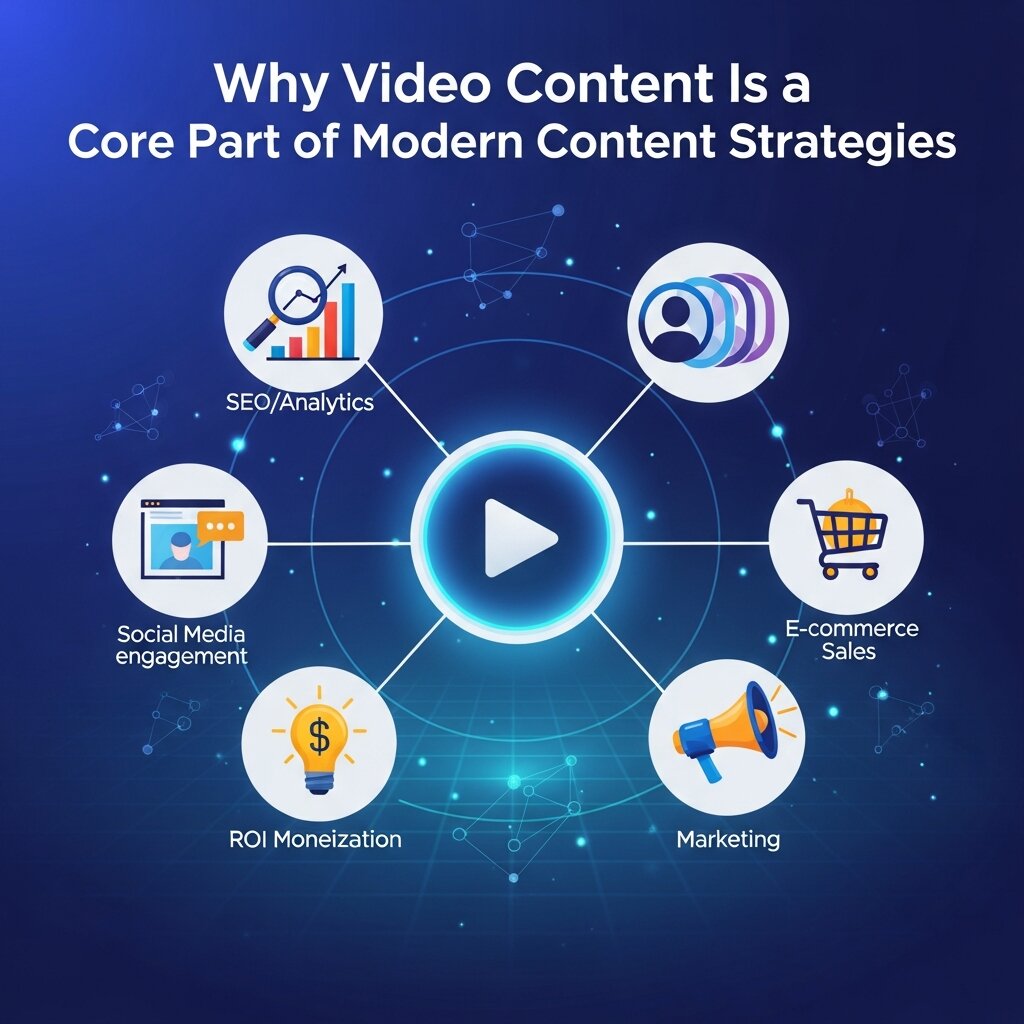
Research shows learners retain up to 95% of information from video, compared to only 10% from text. Video combines visuals, voice, and storytelling—making learning faster, clearer, and more engaging.
From a marketing perspective, video-driven Content Strategies also improve:
-
Search engine visibility (Google prioritizes video-rich pages)
-
Conversion rates on course landing pages
-
Brand credibility and instructor trust
Embedding optimized videos helps attract organic traffic from YouTube and Google while keeping learners engaged longer.
Mobile-First Video Content Strategies
Mobile-first content strategies prioritize the growing number of learners who consume course content on smartphones and tablets. These strategies focus on shorter videos, clear visuals, readable text, and distraction-free framing that works well on smaller screens. Mobile-friendly videos make learning more flexible, allowing students to learn during commutes or short breaks. Optimizing video size, captions, and loading speed ensures smooth playback across devices. By adopting mobile-first video content strategies, course creators improve accessibility, engagement, and learner satisfaction while reducing drop-off caused by poor mobile experiences.
Types of Video Content to Include in Your Content Strategies
Course Module Videos
Course module videos are the foundation of any successful online course and play a central role in effective Content Strategies. These videos deliver your core lessons, guiding learners through concepts step by step. For best results, keep each video between 5–12 minutes and focus on one clear topic at a time to avoid overwhelming students.
Start every module by clearly stating what learners will achieve by the end of the lesson. Use visual examples, on-screen highlights, or screen recordings to explain complex ideas more clearly. Conclude with a short recap or actionable takeaway to reinforce learning and improve retention.
Microlearning Clips
Microlearning clips are short, focused videos—typically 1–3 minutes long—designed to reinforce key ideas or deliver quick insights. These videos are perfect for modern learners with limited time and are a powerful component of scalable Content Strategies.
You can use microlearning videos as lesson summaries, quick tips, reminders, or problem-solving guides. They work especially well in email campaigns, social media content, learning platforms, and mobile notifications. By offering bite-sized learning moments, micro videos help boost engagement and encourage repeat viewing.
Course Trailers and Teasers
Course trailers and teaser videos are marketing-driven assets that introduce your course and highlight its value. A strong 60–90 second trailer should focus on transformation—what problems your course solves and what results learners can expect.
Use engaging visuals, clear messaging, and even short student testimonials to build trust. Address common pain points, outline your course structure, and end with a strong call to action. Well-crafted trailers play a critical role in conversion-focused Content Strategies by turning visitors into enrolled students.
Live Streams and Q&A Sessions
Live streams and Q&A sessions bring a human element to your content strategies by enabling real-time interaction. These sessions allow students to ask questions, share challenges, and connect directly with you, which increases trust and community engagement.
Hosting monthly live workshops, office hours, or discussion sessions can significantly improve student satisfaction. Record these sessions and repurpose them as bonus lessons or evergreen content, extending their value long after the live event ends.
Building a Thriving Community

Building a thriving community is essential for creating long-term success in online courses. A strong learning community encourages interaction, collaboration, and shared accountability among students. When learners feel supported and connected, they are more likely to stay engaged and complete the course. Effective community-building involves regular discussions, live sessions, peer feedback, and instructor presence. Encouraging open communication and recognizing student achievements also helps strengthen relationships. Over time, a thriving community increases learner satisfaction, boosts retention, and transforms students into loyal supporters who actively promote your course through word of mouth. Explore This Topic: Building a Thriving Community
Personalization Through Video Content Strategies
Personalized video Marketing strategies focus on tailoring learning experiences to individual learners. When students see examples, case studies, or scenarios that match their goals, roles, or industries, they feel more connected to the content. Personalization can be achieved through segmented lessons, customized recommendations, or personalized welcome and progress videos. These strategies improve learner motivation, boost engagement, and increase completion rates. Personalized videos also help learners move faster through content because the material feels relevant rather than generic. In competitive e-learning markets, personalization-driven content strategies help courses stand out by delivering value that feels unique and learner-centric.
Master Video Marketing for Online Course Growth
Master video marketing is essential for promoting online courses effectively in today’s digital landscape. It goes beyond simply creating videos—it involves strategically using video to attract, engage, and convert learners. From course trailers and social media clips to email video campaigns, video marketing helps communicate value faster and more emotionally than text alone. By showcasing expertise, sharing success stories, and highlighting course outcomes, instructors can build trust and credibility with potential students. Mastering video marketing also means optimizing videos for SEO, platforms, and audience behavior. When done correctly, video marketing becomes a powerful growth engine that drives visibility, increases enrollments, and strengthens long-term brand authority.
Data-Driven Content Strategies
Data-driven content marketing rely on performance insights to improve video effectiveness. Metrics such as watch time, completion rates, and engagement patterns reveal which videos resonate most with learners. By analyzing this data, course creators can refine video length, pacing, and structure. Data-driven decisions help eliminate guesswork and ensure continuous improvement. These strategies also support better marketing outcomes by identifying videos that drive conversions. Using analytics as part of your content strategies leads to smarter planning, stronger engagement, and higher course success rates.
Evergreen Video Content Strategies
Evergreen video content strategies focus on creating lessons that remain relevant over long periods. By avoiding time-sensitive references and focusing on foundational concepts, evergreen videos continue delivering value without frequent updates. These strategies reduce production costs and save time while maintaining consistent course quality. Evergreen content also performs well in search results, attracting ongoing organic traffic. For course creators, evergreen video content strategies support scalability and long-term revenue growth, making them ideal for building sustainable online education businesses.
Trust-Building Content Strategies
Trust-building content strategies use video to create authenticity and credibility. Showing your face, sharing personal experiences, and speaking transparently about outcomes helps learners connect with you as an instructor. Trust-focused videos reduce hesitation, especially for new students considering enrollment. These strategies are especially effective in introduction videos, testimonials, and behind-the-scenes content. When learners trust the instructor, they are more likely to complete lessons, engage actively, and recommend the course. Strong trust-based content strategies turn viewers into loyal learners.
Organic Traffic to Online Course
Generating organic traffic to an online course is one of the most sustainable ways to grow enrollments without relying heavily on paid ads. Organic traffic comes from search engines, social sharing, and content discovery, making it highly targeted and conversion-friendly. By using strong content strategies such as SEO-optimized blog posts, video content, and keyword-focused landing pages, course creators can attract learners who are actively searching for solutions. Video content plays a crucial role by improving dwell time and search visibility. Consistently publishing valuable, optimized content builds authority over time and helps online courses rank higher, resulting in steady traffic and long-term growth. Discover More Insights: Organic Traffic to Online Course Platforms
Community Building Strategies

Community building strategies play a vital role in the success of online courses by creating a sense of belonging among learners. When students feel connected to instructors and peers, engagement and course completion rates increase significantly. Effective community building involves discussion forums, live Q&A sessions, group challenges, and peer-to-peer interaction. Encouraging learners to share progress, ask questions, and exchange ideas helps transform passive viewers into active participants. Strong communities also build trust and accountability, motivating students to stay consistent. Over time, a supportive learning community strengthens brand loyalty, increases repeat enrollments, and turns students into advocates for your course.
Planning Video-Focused Content Strategies
Before recording, define:
-
Your target audience
-
Learning outcomes
-
Marketing goals (awareness, engagement, conversion)
Create a content calendar that includes scripting, recording, editing, publishing, and promotion. Every video should serve both an educational purpose and a business objective.
Scripting and Storytelling for Stronger Content Strategies
High-performing videos start with strong scripts:
-
Open with a hook
-
Deliver value through examples or case studies
-
Close with a clear CTA
Storytelling helps learners connect emotionally, making your Content Strategies more memorable and effective.
Equipment and Tools That Support Scalable Content Strategies
You don’t need expensive gear:
-
HD webcam or mirrorless camera
-
USB condenser microphone
-
Ring light or softbox
Editing tools like Camtasia, DaVinci Resolve, Adobe Premiere Pro, or Loom help produce polished videos efficiently.
Branding and Visual Consistency
Consistent branding builds trust and recognition:
-
Branded intros and outros
-
Unified color palette
-
Legible fonts and subtle logo placement
Strong visuals reinforce professionalism and strengthen long-term Content Strategies.
Video Hosting and Delivery Platforms
Choose platforms that support analytics, mobile viewing, and SEO:
-
Teachable
-
Thinkific
-
Kajabi
-
Vimeo or Wistia integrations
Fast loading times, captions, and secure embeds improve accessibility and performance.
SEO Optimization for Video Content Strategies
Boost visibility by:
-
Using keyword-rich titles and descriptions
-
Adding video transcripts
-
Optimizing thumbnails and filenames
-
Including chapters and timestamps
SEO-focused Content Strategies help your videos rank higher and reach the right audience.
Repurposing Videos to Expand Your Content Strategies
Maximize ROI by:
-
Turning videos into blog posts
-
Creating short clips for Reels, TikTok, and Shorts
-
Converting audio into podcasts
-
Using snippets for email marketing
Repurposing keeps your Content Strategies efficient and omnichannel.
Measuring and Improving Your Content Strategies
Track:
-
Watch time
-
Completion rates
-
CTA clicks
-
Course conversions
Use analytics and learner feedback to refine scripts, visuals, and delivery.
Advanced Content Strategies for Higher Engagement
-
Interactive quizzes inside videos
-
Downloadable worksheets
-
Guest expert interviews
-
Branching scenarios
These elements increase engagement and learning depth.
Conclusion
Strategic video-based Content Strategies can transform your online courses by increasing engagement, retention, and sales. From core lessons to microlearning and live sessions, video brings your expertise to life and strengthens your brand.
Start today—plan your strategy, record your first video, and let your knowledge connect, convert, and inspire.
Frequently Asked Questions (FAQ)
1. What are content strategies for online courses?
Content strategies are structured plans for creating, organizing, and delivering learning materials. For online courses, they include using videos, microlearning, live sessions, and SEO optimization to engage learners and boost sales effectively.
2. Why is video important in content strategies?
Video enhances understanding, retention, and engagement by simplifying complex topics and building trust with learners. It’s a key component of successful content strategies for online courses.
3. How long should course videos be?
Most course videos perform best between 5–12 minutes. Shorter videos keep attention high and make lessons easier to complete.
4. Can video content improve online course sales?
Yes. Well-planned video content strategies increase conversions by showcasing value, building credibility, and improving landing page SEO.
5. Do I need expensive equipment to create course videos?
No. A good webcam, microphone, and basic lighting are enough to create professional-quality videos for your course.
6. How can I optimize video content for SEO?
Use keyword-rich titles and descriptions, add transcripts, optimize thumbnails, and include videos on relevant landing pages to strengthen your content strategies.
7. How often should I update my video content strategies?
You should review and update your video content strategies every 3–6 months to keep lessons relevant, improve engagement, and match current learner expectations.
8. Can content strategies help reduce student drop-off rates?
Yes. Structured content strategies like short videos, clear lesson flow, and interactive elements significantly reduce drop-off and improve course completion rates.
9. Is it better to use live video or pre-recorded videos?
Both formats are valuable. Pre-recorded videos offer flexibility and convenience, while live sessions foster interaction and trust. Combining both enhances content strategies and learner satisfaction.
10. How do content strategies support long-term brand growth?
High-quality, consistent content strategies build authority, encourage repeat enrollments, and establish you as a trusted expert in your niche, driving long-term growth and credibility.