Leveraging AI-Powered Chatbots to Enhance Student Engagement in Online Courses
In today’s fast-paced, digital learning environment, online course creators must find innovative ways to keep students engaged, motivated, and on track. One emerging solution is the integration of AI-powered chatbots—intelligent virtual assistants that can interact with learners, provide instant feedback, and personalize the learning experience. This comprehensive guide explores the benefits, practical use cases, and best practices for leveraging chatbots to transform your online courses.
What Are AI-Powered Chatbots?
AI-powered chatbots are software applications built on artificial intelligence and natural language processing (NLP) that simulate human-like conversations. Unlike basic rule-based bots that follow predefined scripts, AI chatbots learn from interactions, analyze context, and generate dynamic responses. They can be deployed on course platforms, websites, messaging apps, and learning management systems (LMS) to enhance the communication between students and course content.
Key Benefits for Online Course Creators

- 24/7 Student Support: Chatbots are available around the clock, allowing learners to ask questions, access resources, and receive guidance any time of day or night.
- Personalized Learning Paths: By tracking learner progress and preferences, chatbots can suggest tailored content, exercises, and revision materials, fostering a more customized experience.
- Increased Engagement: Interactive conversations, timely reminders, and gamified elements delivered through chatbots help maintain student interest and reduce dropout rates.
- Instant Feedback & Assessment: Automated quizzes and mini-assessments can be administered via chatbots, providing learners with immediate feedback and reinforcing key concepts.
- Data-Driven Insights: Chatbot analytics reveal patterns in learner behavior, common questions, and pain points, enabling course creators to refine their content and strategies.
Practical Use Cases
- Enrollment & Onboarding: Welcome new students, guide them through course navigation, and explain community forums and support channels.
- Content Navigation: Help learners find specific modules, lessons, or resources by answering queries like “Where can I find the advanced coding assignment?”.
- Progress Reminders: Send automatic notifications when learners fall behind schedule or neglect assignments, encouraging them to stay on track.
- Microlearning Modules: Deliver bite-sized lessons, flashcards, or quizzes directly within chat interfaces to reinforce learning without requiring full module access.
- Feedback Collection: Gather student opinions and satisfaction ratings after completing sections, helping educators adjust difficulty levels and content depth.
Enhancing Learner Motivation with AI Chatbots
Maintaining learner motivation is one of the biggest challenges in online education, and AI-powered chatbots can play a vital role in addressing this issue. By delivering encouragement, progress updates, and personalized nudges, chatbots help students stay focused and confident throughout their learning journey. They can congratulate learners on completing milestones, remind them of upcoming deadlines, and suggest next steps based on individual performance. This continuous interaction creates a sense of accountability and support that often feels missing in self-paced courses. Over time, these small but consistent motivational touchpoints help learners build momentum, reduce procrastination, and develop positive learning habits that lead to higher completion rates.
Designing Conversation Flows
Effective chatbot interactions depend on well-structured conversation flows. Start by mapping common learner journeys—introduction, content queries, assessments, and feedback loops. Use flowchart tools to visualize paths, decision points, and fallback responses. Incorporate friendly greetings, empathetic language, and clear prompts. Ensure that users can easily exit loops, request human assistance, or access menus. Iteratively test your flows with pilot users to identify confusing steps or dead ends, then refine accordingly.
Reducing Instructor Workload Through Automation
AI-powered chatbots significantly reduce the operational burden on instructors and course administrators by automating repetitive tasks. Frequently asked questions, basic technical issues, assignment deadlines, and course navigation queries can all be handled instantly by chatbots. This automation frees instructors to focus on higher-value activities such as content creation, personalized feedback, and live interactions. Chatbots can also assist with grading simple quizzes, collecting feedback, and organizing learner data. As courses scale and enrollments grow, this efficiency becomes even more critical. By streamlining support and administrative workflows, chatbots help educators manage larger audiences without sacrificing quality or responsiveness.
Choosing the Right Chatbot Platform
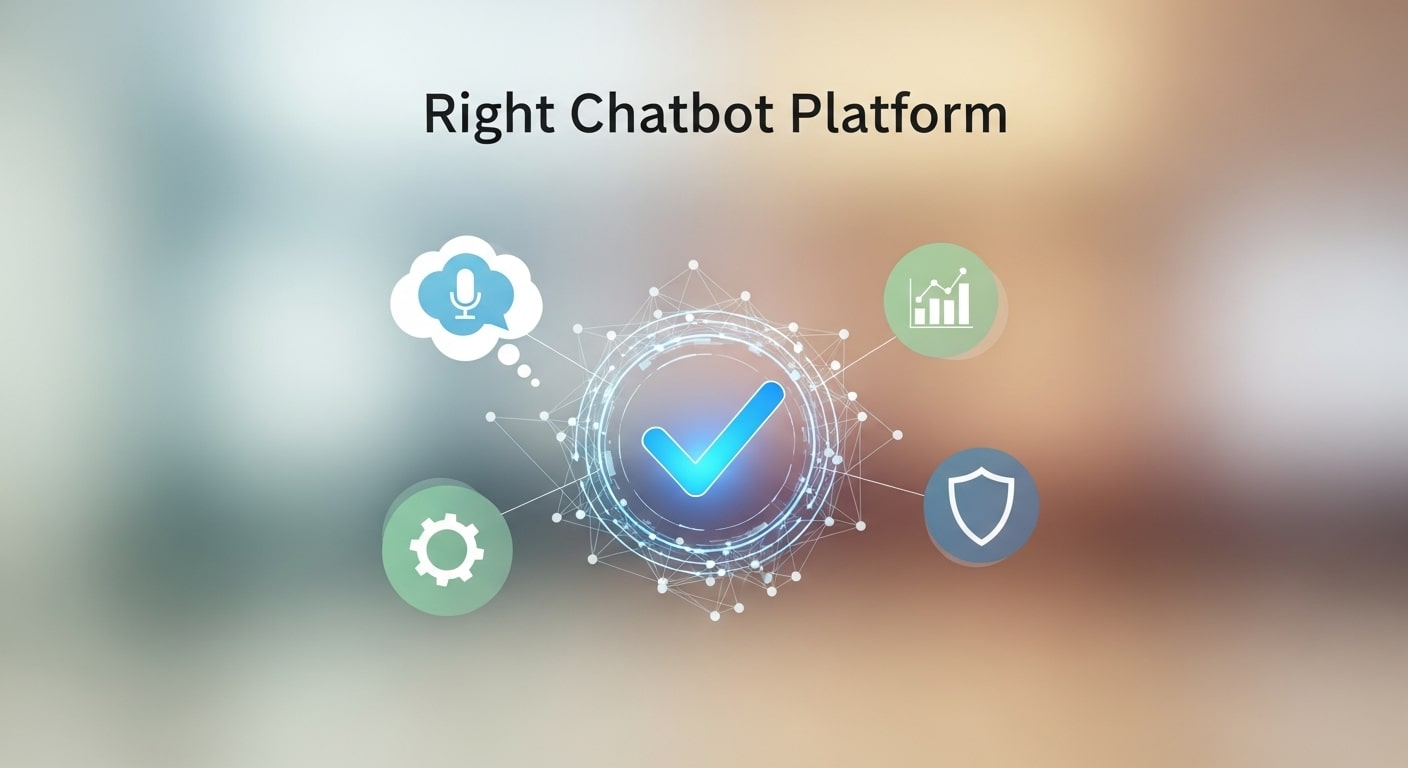
Select a chatbot platform that integrates seamlessly with your LMS, website, or messaging app. Popular options include Chatfuel, ManyChat, MobileMonkey, and custom solutions built on Dialogflow or Microsoft Bot Framework. Evaluate features like NLP capabilities, multi-language support, analytics dashboards, and ease of customization. Consider budget, technical expertise, and scalability. Opt for platforms offering pre-built education templates or SDKs to accelerate development and deployment.
Step-by-Step Integration Guide
- Define Objectives: Outline the goals for your chatbot—student support, engagement, content delivery, or assessment.
- Choose a Platform: Select a chatbot provider based on integrations, features, and pricing.
- Design Conversation Flows: Draft scripts and decision trees covering common student interactions.
- Develop & Train: Build the chatbot using the platform’s builder or API, and train the NLP model with sample queries and intents.
- Integrate with LMS: Connect the bot to your course platform via webhooks, plugins, or embed codes.
- Test & Launch: Conduct internal testing, gather pilot feedback, fix bugs, and deploy the chatbot to your live course.
Best Practices for Chatbot Implementation
- Keep Responses Concise: Deliver clear, precise answers to avoid overwhelming users with long text blocks.
- Provide Human Escalation: Always offer an option to connect with an instructor or support agent for complex queries.
- Ensure Data Privacy: Comply with GDPR, CCPA, and other regulations when storing student data and conversation logs.
- Monitor Analytics: Track metrics like response accuracy, user satisfaction, and drop-off rates to continuously improve the bot.
- Maintain Conversational Tone: Use friendly, encouraging language that aligns with your course brand and pedagogical style.
Supporting Self-Paced Learning Environments
Self-paced learning offers flexibility, but it can also leave learners feeling isolated or unsure about their progress. AI chatbots bridge this gap by acting as always-available learning companions. They guide students through modules, answer questions instantly, and recommend resources when learners struggle with specific topics. Chatbots can also help learners plan study schedules, break lessons into manageable steps, and revisit key concepts when needed. This continuous support empowers learners to move confidently at their own pace while still feeling connected to the course. As a result, self-paced programs become more structured, supportive, and effective for diverse learner needs.
Improving Knowledge Retention with Micro-Interactions
Knowledge retention improves when learners engage with content frequently in small, meaningful ways. AI chatbots excel at delivering micro-interactions such as quick quizzes, flashcards, recap questions, and short explanations. These bite-sized learning moments reinforce concepts without overwhelming learners. Chatbots can strategically prompt learners to review material days or weeks after completing a lesson, supporting spaced repetition and long-term memory retention. By embedding learning directly into conversational experiences, chatbots turn passive consumption into active engagement. Over time, this approach strengthens understanding, reduces forgetting, and helps learners apply knowledge more confidently in real-world scenarios.
Promoting AI Chatbots via LinkedIn Learning Groups
LinkedIn Learning Groups offer a powerful platform to promote AI-powered chatbots for student engagement in online learning by connecting with educators, course creators, and e-learning professionals. Share value-driven posts such as case studies, implementation tips, short demos, and success stories that highlight how chatbots improve engagement, personalization, and 24/7 learner support.
Actively participate in discussions by answering questions, sharing insights, and posting thought leadership content related to online education and AI tools. Consistent engagement builds credibility, increases visibility, and positions your chatbot solution as a practical, results-driven tool for modern online courses.
Strengthening Community and Peer Interaction
While chatbots are automated tools, they can still contribute to building a sense of community within online courses. Chatbots can facilitate introductions, suggest study groups, and guide learners toward discussion forums or collaborative activities. They can also simulate peer-to-peer interactions by prompting reflective questions or encouraging learners to share insights. By directing learners to relevant conversations and group activities, chatbots help reduce isolation and foster collaboration. This sense of belonging enhances learner satisfaction and engagement, making online courses feel more interactive, social, and supportive rather than solitary experiences.
Gamification Mastery Engagement in Online
Gamification Mastery is a powerful approach that uses game-based elements to increase learner motivation and engagement in online courses. By incorporating points, badges, leaderboards, challenges, and rewards, course creators can transform passive learning into an interactive experience. These elements tap into learners’ natural desire for achievement and progress, encouraging consistent participation. Gamification also makes complex topics more enjoyable and easier to retain. When applied strategically, Gamification Mastery helps boost course completion rates, improves knowledge retention, and creates a more immersive and rewarding learning environment for students
Measuring Success and Analytics
To evaluate the impact of your chatbot, monitor key performance indicators (KPIs) such as user engagement rates, average session duration, resolution rates, and student satisfaction scores. Analyze conversation logs to identify frequently asked questions and content gaps. Use A/B testing to experiment with different messaging styles and reminder frequencies. Regularly review analytics to refine conversation flows, add new intents, and retire outdated prompts.
Future Trends and Innovations
The future of AI chatbots in online education is promising, with advancements in sentiment analysis, voice interfaces, and multimodal interactions (text, voice, video). Expect deeper personalization through predictive analytics, adaptive learning paths, and integration with virtual or augmented reality environments. As large language models evolve, chatbots will handle more complex queries, offer real-time language translation, and even simulate peer-to-peer group study sessions.
Conclusion
Integrating AI-powered chatbots into your online courses can revolutionize student engagement, support, and personalization. By understanding the benefits, planning thoughtful conversation flows, and following best practices, course creators can leverage intelligent assistants to deliver more interactive, responsive, and data-driven learning experiences. Start small, measure impact, and scale your chatbot strategy to cultivate a thriving, student-centric online education ecosystem.
Frequently Asked Questions (FAQ)
What is an AI-powered chatbot in online education?
An AI-powered chatbot is an intelligent virtual assistant that uses artificial intelligence and natural language processing (NLP) to interact with learners. It can answer questions, provide guidance, deliver content, and personalize learning experiences within online courses.
How are AI chatbots different from basic rule-based chatbots?
Unlike rule-based chatbots that follow predefined scripts, AI-powered chatbots understand context, learn from interactions, and generate dynamic, human-like responses. This allows them to handle more complex queries and adapt over time.
How can chatbots improve student engagement?
Chatbots keep learners engaged by offering interactive conversations, timely reminders, gamified activities, instant feedback, and personalized content recommendations—all of which help reduce dropout rates and increase course completion.
Can chatbots provide personalized learning experiences?
Yes. By tracking learner progress, preferences, and behavior, chatbots can recommend tailored lessons, exercises, revision materials, and learning paths suited to individual students.
Are chatbots available to students at all times?
Yes. One of the main benefits of chatbots is 24/7 availability, allowing students to get support, access resources, and ask questions anytime, regardless of time zones.
What are common use cases for chatbots in online courses?
Common use cases include student onboarding, course navigation, progress reminders, microlearning delivery, instant assessments, feedback collection, and answering frequently asked questions.
Can chatbots replace instructors or human support?
No. Chatbots are designed to complement instructors, not replace them. Best practice is to always include a human escalation option for complex or sensitive queries.
How do chatbots integrate with Learning Management Systems (LMS)?
Chatbots can be integrated with LMS platforms through plugins, APIs, webhooks, or embed codes. Many chatbot platforms offer native integrations or SDKs to simplify deployment.
What chatbot platforms are best for online education?
Popular platforms include Chatfuel, ManyChat, MobileMonkey, Dialogflow, and Microsoft Bot Framework. The best choice depends on your technical expertise, budget, scalability needs, and LMS compatibility.
Is student data safe when using AI chatbots?
Yes, if implemented correctly. Course creators must ensure compliance with data protection regulations such as GDPR and CCPA and use secure platforms that protect student data and conversation logs.
How do I measure the success of a chatbot?
Success can be measured using KPIs such as engagement rates, session duration, resolution rates, student satisfaction scores, and dropout reduction. Analytics and conversation logs help identify areas for improvement.
Are AI chatbots expensive to implement?
Costs vary depending on the platform, features, and scale. Many platforms offer affordable plans or free tiers, making it possible to start small and scale as your course grows.
What future trends can we expect in educational chatbots?
Future trends include voice-enabled chatbots, sentiment analysis, multimodal interactions, deeper personalization, real-time translation, and integration with virtual or augmented reality learning environments.
Can I start with a chatbot even if I’m not technical?
Yes. Many chatbot platforms offer no-code or low-code builders with templates designed specifically for education, making them accessible to non-technical course creators.