Course Launch Strategy for Growing Your Online Education Business

A successful Course Launch Strategy helps online educators, coaches, trainers, and education businesses introduce their courses to the right audience and generate consistent enrollments. Creating a valuable course is only one part of building an online education business. Without proper planning, promotion, audience research, and follow-up, even a high-quality course may struggle to attract students.
A strong launch strategy connects course development with marketing, communication, sales, and customer engagement. It helps businesses create awareness before launch, build trust with potential learners, and encourage interested people to enroll when the course becomes available.
What Is a Course Launch Strategy?
A Course Launch Strategy is a planned process for introducing an online course to the target audience. It includes audience research, course positioning, content creation, promotional campaigns, launch events, enrollment offers, and post-launch communication.
The purpose of a course launch is not simply to announce that a course exists. It is to create interest, explain the course benefits, overcome learner concerns, and guide potential students toward enrollment.
A launch may be organized around a specific date or run as an evergreen campaign. A date-based launch creates excitement around a fixed enrollment period, while an evergreen launch allows students to join throughout the year.
Main Elements of a Course Launch
An effective launch usually includes a clear target audience, a strong course promise, a professional sales page, useful pre-launch content, email communication, social media promotion, and a simple enrollment process.
The business should also decide how success will be measured. Important goals may include the number of leads, webinar registrations, course enrollments, sales revenue, email subscribers, or student engagement.
Identify Your Target Students
Understanding the target audience is one of the most important steps in planning a course launch. A course may be useful to many people, but its marketing message should focus on a specific group with a clear learning need.
Audience research helps businesses understand what potential students want to learn, what problems they face, and what prevents them from purchasing a course.
Create a Clear Student Profile
A student profile may include age, profession, education level, interests, goals, skill level, budget, and preferred learning format. For example, a digital marketing course may target beginners, small business owners, freelancers, or marketing professionals.
Each group may need a different message. Beginners may want simple lessons and practical guidance, while professionals may prefer advanced strategies and industry-specific examples.
Understand Student Pain Points
Potential students often purchase courses because they want to solve a problem or achieve a specific result. They may want to improve their career, learn a new skill, increase income, start a business, or complete a professional certification.
Your marketing should explain how the course helps address these needs. Clear problem-focused messaging is usually more effective than simply listing course topics.
Develop a Strong Course Value Proposition
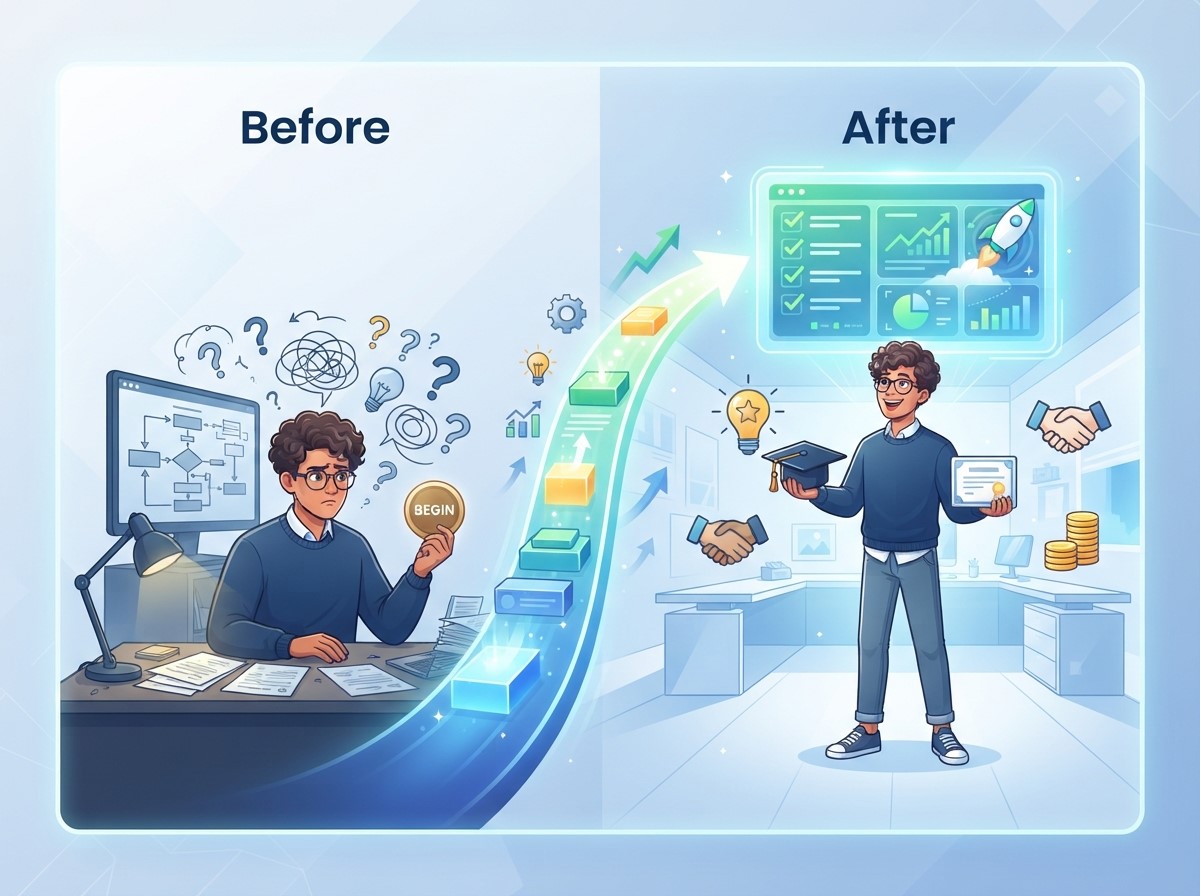 A course value proposition explains why learners should choose your course instead of another available option. It should communicate the course topic, target audience, key benefit, and learning outcome in a simple way. A strong value proposition makes the course easier to understand and helps potential students decide whether it matches their goals.
Focus on Learning Outcomes
Course buyers want to know what they will be able to do after completing the lessons. Instead of using general statements such as “learn digital marketing,” describe practical outcomes such as creating campaigns, analyzing performance, or developing a marketing plan.
Learning outcomes should be realistic, specific, and connected to the actual course content. Avoid promising guaranteed income, instant success, or unrealistic career results.
Explain What Makes the Course Different
Your course may stand out because of expert instruction, practical assignments, live support, downloadable resources, flexible learning, industry examples, or a unique teaching method.
These differentiators should be highlighted across the sales page, email campaigns, social media content, and promotional videos. Consistent messaging helps students remember the main reason to enroll.
Build a Pre-Launch Audience
A pre-launch period gives potential students time to discover the course, understand its benefits, and develop trust in the instructor or education brand. Promoting a course only on the launch day often limits the number of people who are ready to purchase. Pre-launch activities should focus on building awareness and creating interest before asking for enrollment.
Create an Effective Course Marketing Strategy
A complete Course Marketing Strategy connects the course offer with the right audience, communication channels, and promotional activities. It should explain how people will discover the course, why they will trust it, and what will encourage them to enroll.
The strategy should cover the entire customer journey, from first contact to purchase and post-enrollment engagement.
Choose the Right Marketing Channels
Different courses may perform better on different platforms. A professional course may benefit from LinkedIn, webinars, email marketing, and industry communities. A creative or lifestyle course may gain attention through Instagram, YouTube, Pinterest, or short-form video.
Businesses should select channels based on audience behavior instead of trying to use every platform. Consistent activity on a few relevant channels is often easier to manage and measure.
Use Email Marketing
Email marketing is valuable because it allows businesses to communicate directly with interested learners. A launch email sequence may include an introduction, educational content, course benefits, instructor information, student testimonials, launch announcements, and deadline reminders.
Emails should be helpful and relevant rather than overly promotional. Each message should have one clear purpose and an easy-to-understand call to action.
Use Online Learning Marketing to Build Trust
Online Learning Marketing involves promoting educational products and services through digital channels. It focuses not only on selling courses but also on demonstrating expertise, supporting learners, and building confidence in the education provider. Trust is especially important because students are investing money, time, and effort into their learning experience.
Share Instructor Expertise
Potential students often want to know whether the instructor has relevant knowledge and practical experience. A professional instructor profile should explain qualifications, industry experience, teaching background, and areas of expertise. Short educational videos, expert interviews, live sessions, and helpful articles can also demonstrate knowledge before the launch.
Use Testimonials and Social Proof
Testimonials can reduce uncertainty by showing how previous learners experienced the course. Businesses may share student feedback, course completion stories, project examples, or reviews with permission. Social proof should be genuine and specific. Statements that explain what a student learned or achieved are more useful than vague praise.
Demonstrate the Learning Experience
A course preview can show the lesson structure, platform interface, instructor style, assignments, and available resources. This helps potential students understand what they will receive after enrollment. A short sample lesson or preview video can make the course feel more familiar and reduce hesitation.
Plan a Strong Online Course Promotion Campaign
 Online Course Promotion includes the activities used to attract attention and encourage enrollment before and during the launch. Promotion should be planned around a clear timeline so that the audience receives the right message at the right stage.
A campaign may include organic content, paid advertising, email marketing, webinars, partnerships, influencer marketing, and special enrollment offers.
Create a Launch Timeline
A launch timeline may begin several weeks before enrollment opens. The early stage can focus on audience education and awareness. The middle stage can introduce the course, explain its benefits, and collect waitlist registrations.
During launch week, businesses can share the full offer, host live sessions, answer questions, and send reminders. After enrollment closes, the business can review results and continue nurturing people who did not purchase.
Use Webinars and Live Sessions
Webinars are useful for explaining a topic in detail while introducing the course as a next learning step. A webinar should teach something valuable rather than function only as a sales presentation.
Live question-and-answer sessions can help address concerns about course difficulty, time commitment, price, certification, support, and expected outcomes.
Offer a Relevant Enrollment Incentive
An early-bird price, bonus lesson, workbook, group coaching session, or limited-time resource may encourage faster decisions. The incentive should be relevant to the course and clearly explained. Avoid using false urgency or misleading deadlines. Honest offers protect trust and support a positive brand reputation.
Optimize the Course Sales Page
The sales page is one of the most important assets in a course launch. It should provide enough information for potential students to understand the course and make an informed enrollment decision. A confusing or incomplete sales page can cause interested visitors to leave without purchasing.
Include Essential Course Information
A strong sales page should explain the course title, target audience, learning outcomes, curriculum, instructor background, course format, duration, price, support options, and enrollment process. The page should also answer common questions about access, payment, refunds, assignments, certificates, and technical requirements.
Use Clear Calls to Action
The enrollment button should be easy to find and use action-oriented language. Examples include “Enroll Now,” “Join the Course,” or “Start Learning.” Avoid placing too many competing calls to action on the page. The main goal should remain clear throughout the visitor’s journey.
Make the Page Mobile-Friendly
Many potential students browse and purchase through mobile devices. The sales page should load quickly, use readable text, display clear buttons, and work smoothly on smaller screens. A simple mobile checkout process can reduce friction and prevent visitors from abandoning enrollment.
Use Paid Advertising Carefully
Paid advertising can help a course reach a larger audience within a short period. Platforms such as search engines, social media networks, and video advertising channels allow businesses to target people based on interests, behavior, demographics, or search activity. However, paid ads should be supported by strong messaging and a well-designed enrollment page.
Test Different Ad Messages
Businesses can test different headlines, visuals, videos, offers, and calls to action. One advertisement may focus on career growth, while another may highlight practical skills or flexible learning.
Testing helps identify which message attracts the most relevant audience. The goal should not be to generate cheap clicks but to attract people who are likely to enroll.
Track Advertising Performance
Important advertising metrics include impressions, clicks, click-through rate, cost per lead, landing page visits, conversion rate, and cost per enrollment.
Businesses should compare advertising costs with actual course revenue. If an ad generates many clicks but few enrollments, the targeting, message, offer, or sales page may need improvement.
Measure and Improve Your Course Launch
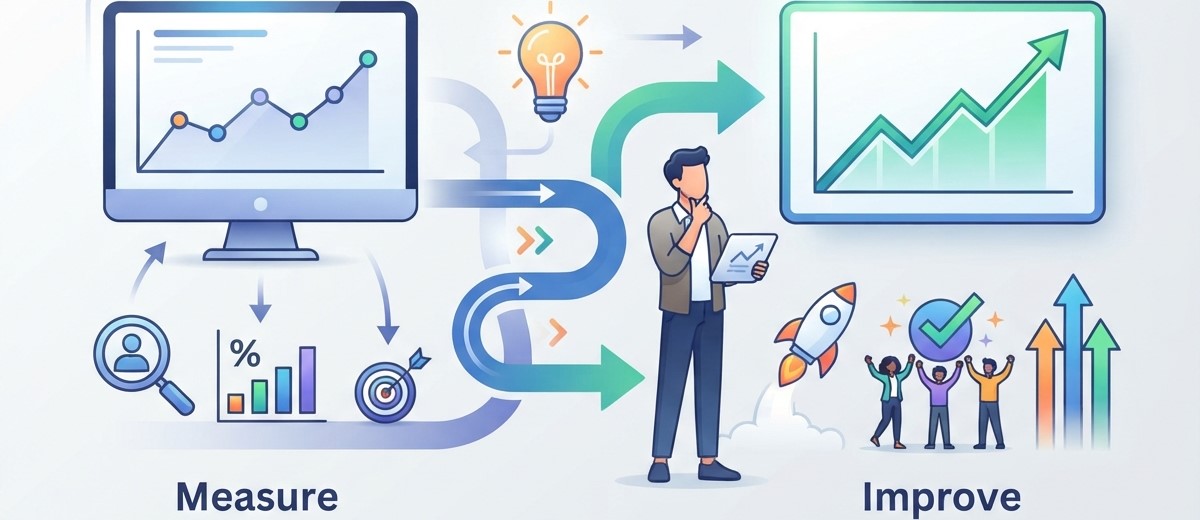 Tracking results helps businesses understand what worked and what should be improved in future launches. A successful launch should be evaluated using both marketing and learning-related data.
Track Key Metrics
Important metrics include email open rates, email clicks, waitlist registrations, webinar attendance, website traffic, sales page conversion rate, enrollment numbers, revenue, refund requests, and student engagement.
Businesses should compare these results with the original launch goals. For example, a campaign may generate strong awareness but fewer sales than expected, which may indicate a problem with pricing, messaging, trust, or the checkout process.
Collect Student Feedback
Student feedback can reveal whether the course content, teaching style, platform, support, and learning materials meet expectations. Surveys and personal interviews can provide useful insights. Feedback should be used to improve future course versions, promotional messages, onboarding materials, and customer support processes.
Conclusion
A well-planned Course Launch Strategy can help an online education business increase visibility, attract qualified learners, build trust, and improve course enrollment. The process should begin with audience research and continue through course positioning, pre-launch content, email marketing, promotional campaigns, sales page optimization, and student onboarding.
A strong Course Marketing Strategy ensures that every activity supports a clear business objective. Online Learning Marketing helps demonstrate expertise and build confidence, while Online Course Promotion creates awareness and encourages potential students to take action.
Frequently Asked Questions
1. What is a Course Launch Strategy?
A Course Launch Strategy is a planned marketing and sales process used to introduce an online course to the target audience. It includes audience research, pre-launch promotion, email marketing, sales page creation, enrollment activities, and post-launch follow-up.
2. Why is a Course Launch Strategy important?
It helps businesses create awareness, build trust, attract qualified leads, and increase course enrollments. It also provides a clear structure for managing promotional activities and measuring launch performance.
3. How early should a course launch campaign begin?
A course launch campaign can begin several weeks before enrollment opens. The exact timeline depends on the course price, audience size, marketing channels, and level of trust already established with potential students.
4. What is included in a Course Marketing Strategy?
A Course Marketing Strategy may include audience research, course positioning, content marketing, email campaigns, social media promotion, webinars, paid advertising, partnerships, sales page optimization, and performance tracking.
5. How can I promote an online course before launch?
You can publish educational content, create a waitlist, offer a free resource, host webinars, share instructor insights, build an email list, and use social media to create awareness before enrollment opens.
6. What is Online Learning Marketing?
Online Learning Marketing is the process of promoting online courses, training programs, and educational services through digital marketing channels. It focuses on attracting learners, demonstrating value, building trust, and encouraging enrollment.
7. Which platforms are useful for Online Course Promotion?
Useful platforms may include email marketing tools, search engines, YouTube, Facebook, Instagram, LinkedIn, online communities, webinars, and educational marketplaces. The best platform depends on the target audience and course topic.
8. How can I increase course enrollment?
You can improve enrollment by defining clear learning outcomes, creating a strong sales page, using testimonials, offering useful previews, simplifying checkout, promoting through multiple channels, and following up with interested leads.
9. Should I offer discounts during a course launch?
A relevant early-bird discount or bonus may encourage enrollment. However, the offer should be honest, clearly explained, and financially sustainable. Businesses should avoid excessive discounting that reduces perceived course value.
10. How do I measure the success of a course launch?
Course launch success can be measured through website traffic, waitlist registrations, email engagement, webinar attendance, leads, enrollment numbers, revenue, conversion rate, refund requests, and student feedback.