Educational Content Marketing Ideas to Engage Modern Audiences

Educational Content Marketing is an effective way for businesses, educators, and online course creators to attract audiences by sharing valuable knowledge. Instead of focusing only on selling products or services, this approach helps people solve problems, learn new skills, and make informed decisions. When educational content answers real questions, audiences are more likely to trust the brand and continue engaging with its resources.
Modern audiences expect useful, accessible, and engaging information across websites, social media, email, and video platforms. Businesses can meet these expectations by publishing tutorials, creating interactive learning experiences, hosting webinars, and sharing practical guides. For course creators, educational content can also support a Course Sales Funnel, strengthen a Course Launch Strategy, and improve Online Course Promotion. The key is to deliver meaningful learning experiences that connect audience needs with relevant solutions.
Why Educational Content Marketing Matters
Educational Content Marketing helps brands build relationships by providing information that audiences can apply in real situations. It positions a business as a useful resource rather than simply another seller competing for attention. By consistently answering questions and explaining complex topics, organizations can attract relevant visitors, increase engagement, and create stronger foundations for long-term customer relationships.
Builds Trust and Credibility
Audiences are more likely to trust brands that demonstrate expertise through helpful content. Detailed explanations, accurate information, practical examples, and transparent communication show that a business understands its audience’s challenges. Over time, this trust can make people more comfortable exploring paid services, educational products, or professional solutions offered by the brand.
Encourages Audience Engagement
Educational content gives audiences a reason to interact with a business beyond making a purchase. Tutorials, quizzes, discussions, and downloadable resources encourage people to participate actively. These experiences can increase meaningful engagement and help brands understand which topics their audiences find most valuable.
Supports Business Growth
Useful educational resources can attract organic search traffic, generate leads, and guide potential customers toward relevant offerings. When content matches different stages of the customer journey, it helps people move from discovering a problem to evaluating possible solutions. This creates a natural connection between education, customer relationships, and business growth.
Create Practical How-To Guides and Tutorials
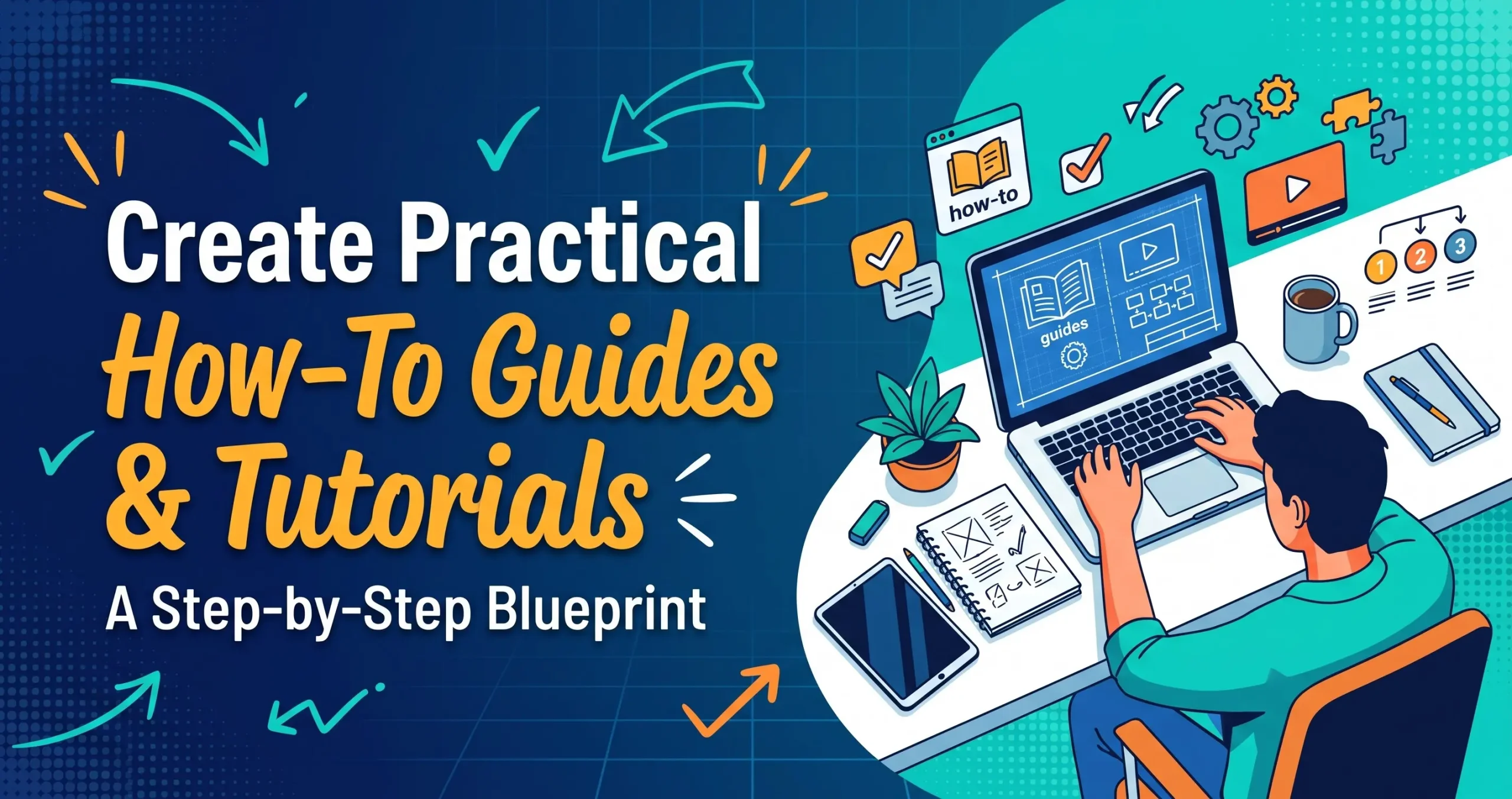 How-to guides and tutorials are valuable educational content formats because they help audiences accomplish specific tasks. They transform general advice into actionable instructions that readers can follow at their own pace. Businesses can use these resources to explain common processes, demonstrate expertise, and attract people searching for solutions to practical problems.
Address Real Audience Problems
Start by identifying questions customers frequently ask and challenges they encounter during everyday tasks. Research website search queries, customer support conversations, social media discussions, and relevant industry communities. Creating content around these concerns makes educational resources more useful and increases the likelihood that the intended audience will discover them.
Use Step-by-Step Explanations
A good tutorial explains a process in a logical sequence without overwhelming readers with unnecessary details. Include clear examples, screenshots where appropriate, and explanations of common mistakes. Readers should understand what to do, why each step matters, and how to recognize whether they have achieved the intended result.
Connect Tutorials With Relevant Courses
Course creators can use free tutorials to introduce topics covered in their paid learning programs. For example, a digital marketing educator might publish a guide about keyword research before introducing a comprehensive SEO course. This approach gives audiences immediate value while helping interested learners understand how a structured course could support further progress.
Use Video Content to Make Learning More Engaging
Video content allows brands to explain complex subjects through demonstrations, narration, and visual examples. It can make abstract ideas easier to understand and create a more personal connection between educators and viewers. Short educational videos work well for quick lessons, while longer tutorials can provide deeper instruction for audiences who want comprehensive guidance.
Publish Short Educational Videos
Short videos can explain one concept, answer a common question, or demonstrate a simple technique. Keeping each video focused helps audiences understand the main message quickly. Creators can share these videos on suitable social platforms and direct interested viewers to longer tutorials, relevant articles, or additional learning resources.
Create In-Depth Demonstrations
Longer videos are useful when a subject requires multiple steps or detailed explanations. Screen recordings, software demonstrations, practical lessons, and expert interviews can help viewers understand how a process works. Including examples of common challenges makes the content more relatable and gives learners a clearer path toward applying what they have learned.
Repurpose Videos Across Channels
A single educational video can support several marketing activities. Creators can turn its main lessons into blog articles, short clips, email content, or social media posts. Repurposing helps maintain consistent communication across channels while making educational information accessible to audiences with different content preferences.
Develop Interactive Learning Experiences
 Interactive educational content encourages audiences to participate instead of simply consuming information. Quizzes, assessments, calculators, and guided exercises can help users apply concepts and discover what they need to learn next. These formats can make complex topics more approachable while providing useful insights into audience interests, knowledge gaps, and learning preferences.
Create Educational Quizzes
Quizzes can help audiences test their understanding, identify skill gaps, or discover relevant learning resources. For example, a course creator might offer a digital marketing knowledge assessment that recommends suitable lessons based on the results. Questions should be clear, relevant, and designed to provide useful feedback rather than simply collect information.
Offer Practical Worksheets and Templates
Downloadable worksheets, planning templates, checklists, and workbooks help audiences apply educational concepts to their own situations. These resources provide immediate value and encourage users to take action after reading an article or watching a video. When appropriate, businesses can offer additional resources in exchange for an email subscription with clear consent.
Encourage Community Participation
Discussion prompts, online study groups, and live question-and-answer sessions help learners share experiences and learn from one another. Community participation can strengthen engagement by giving audiences opportunities to ask questions and exchange ideas. Clear moderation and respectful communication help maintain a supportive environment where participants feel comfortable contributing.
Build an Effective Course Sales Funnel With Educational Content
A Course Sales Funnel guides potential learners from initial awareness to enrollment by providing relevant information at each stage. Educational content can support this process by helping audiences understand their challenges, explore possible solutions, and evaluate available courses. A well-designed funnel prioritizes useful learning experiences and introduces paid offerings when they naturally match the learner’s needs.
Attract Learners With Free Resources
The first stage should help potential students discover the educator and understand the value of the content. Blog posts, short videos, free webinars, and introductory lessons can attract people interested in a specific subject. These resources should answer real questions and make it easy for learners to explore related educational materials.
Nurture Leads Through Email Education
Once people voluntarily subscribe to an email list, educators can send relevant lessons, practical tips, case studies, and additional learning resources. Each message should offer value rather than repeatedly pushing a purchase. Over time, this communication can help subscribers understand their learning goals and determine whether a particular course is suitable for them.
Convert Interested Learners With Relevant Offers
When audiences understand the value of a learning program, course information can explain its curriculum, intended audience, outcomes, and requirements. Clear course descriptions help learners decide whether enrollment matches their needs. Avoid exaggerated promises and communicate pricing, access conditions, and relevant limitations transparently to build confidence during the decision process.
Strengthen Your Course Launch Strategy
A successful Course Launch Strategy uses educational content to build awareness, demonstrate value, and prepare potential learners for enrollment. Rather than waiting until launch day to begin promotion, course creators can introduce the subject, share useful lessons, and engage interested audiences in advance. This preparation creates a more informed audience and gives prospective students time to evaluate the course.
Publish Pre-Launch Educational Content
Before opening enrollment, share content that explains the problem the course addresses and why the subject matters. Beginner guides, expert insights, short lessons, and common-mistake articles can introduce the course topic naturally. This content should help people learn something useful even if they do not eventually purchase the program.
Use Webinars and Live Sessions
Live educational sessions allow course creators to explain key concepts, answer questions, and demonstrate their teaching approach. A webinar can provide a focused lesson followed by an optional introduction to the related course. Keeping the educational portion genuinely useful helps build credibility and gives attendees a clearer understanding of the course’s potential value.
Maintain Engagement After Launch
Course communication should continue after enrollment opens. Creators can answer common questions, publish additional educational content, and clarify course details for interested learners. After the launch, feedback and engagement data can reveal which messages worked well and which topics deserve more attention in future campaigns.
Improve Online Course Promotion With Social Media
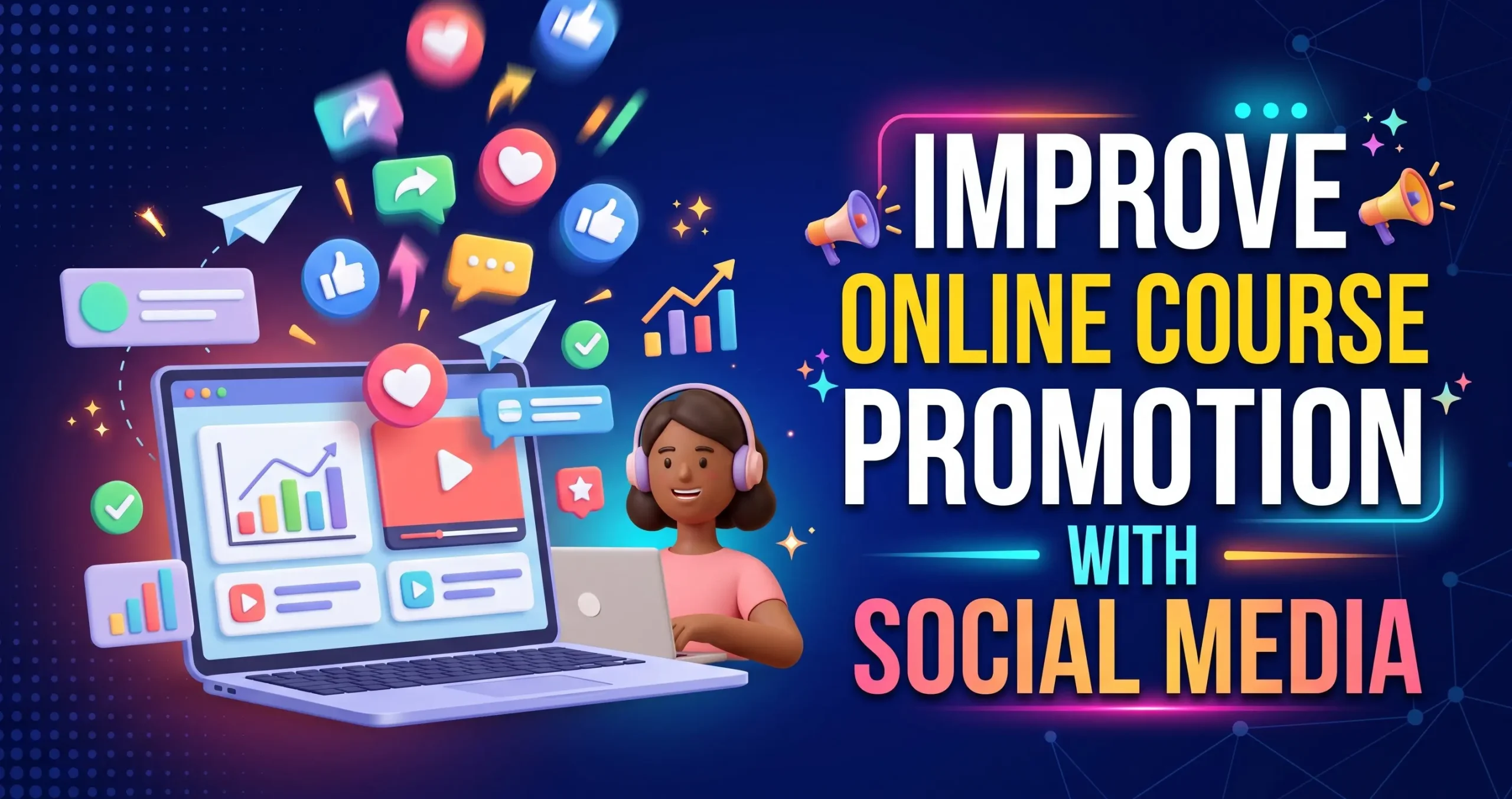 Online Course Promotion becomes more effective when social media content provides educational value instead of relying entirely on advertisements. Platforms allow educators to share short lessons, answer audience questions, showcase practical demonstrations, and build communities around specific subjects. Choosing channels that match the target audience helps creators use their time and resources more efficiently.
Share Lessons and Practical Tips
Social posts can explain one useful concept, present a common mistake, or provide a simple solution to a familiar problem. These small learning experiences encourage audiences to engage with the brand and discover additional resources. Consistent publishing also gives potential learners more opportunities to understand the educator’s expertise and teaching style.
Collaborate With Relevant Experts
Guest appearances, interviews, collaborative livestreams, and expert discussions can introduce educational content to new audiences. Partnerships work best when both participants serve compatible audiences and contribute genuine expertise. Clear expectations and relevant topics help ensure that collaborations benefit viewers rather than feeling like unrelated promotional activities.
Encourage Learner Stories and Feedback
With appropriate permission, course creators can share learner experiences, project examples, and feedback that illustrate how educational resources are used in practice. Authentic stories can help prospective students understand the learning experience. Claims about results should remain accurate and should not imply that every learner will achieve the same outcome.
Measure Educational Content Marketing Performance
Measuring performance helps businesses determine whether educational content is attracting relevant audiences and supporting their goals. Page views alone do not reveal whether people find information useful or progress toward enrollment. Combining engagement, learning, and conversion metrics provides a more complete understanding of content performance and helps teams identify opportunities for improvement.
Track Engagement and Content Quality
Review metrics such as time spent on relevant pages, video completion, meaningful comments, returning visitors, and resource downloads. Interpret these measurements alongside the content format and audience intent. For example, a short answer page may satisfy users quickly without requiring a long visit, so engagement should be assessed in context.
Monitor Leads and Course Enrollments
For course-related content, track relevant actions such as email subscriptions, webinar registrations, course page visits, and completed enrollments. Use appropriate analytics and campaign tracking to understand which resources contribute to these outcomes. Ensure that tracking practices respect user privacy and applicable consent requirements.
Improve Content Using Audience Feedback
Regularly review audience questions, survey responses, comments, and common support requests. These insights can reveal missing explanations, confusing lessons, and subjects that deserve more detailed coverage. Updating existing content and creating new resources around genuine learning needs helps maintain relevance as audience expectations change.
Conclusion
Educational Content Marketing helps businesses and course creators attract modern audiences by delivering useful knowledge, practical guidance, and engaging learning experiences. How-to guides, videos, interactive resources, and community activities can build trust while helping people solve real problems. When content aligns with audience needs, it becomes a foundation for meaningful engagement and stronger customer relationships.
For online educators, connecting educational resources with a Course Sales Funnel, a thoughtful Course Launch Strategy, and consistent Online Course Promotion can help guide interested learners toward relevant programs. The most effective approach focuses on genuine value, clear communication, and continuous improvement. By understanding audience needs and measuring meaningful outcomes, businesses can create educational content that supports both learning and sustainable growth.
Frequently Asked Questions
1. What is Educational Content Marketing?
Educational Content Marketing is a strategy that uses helpful information to teach audiences about relevant subjects, solve problems, and build trust. Common formats include tutorials, blog posts, videos, webinars, guides, and interactive learning resources.
2. Why is Educational Content Marketing important?
It helps businesses demonstrate expertise, attract relevant audiences, encourage engagement, and build long-term relationships. For educators, it can also help potential learners understand a subject before deciding whether to enroll in a course.
3. What are the best educational content formats?
Effective formats include how-to articles, instructional videos, webinars, quizzes, downloadable templates, case studies, and email lessons. The best format depends on the topic, audience preferences, learning goals, and available resources.
4. How does educational content help sell online courses?
Educational content demonstrates teaching quality and helps learners understand the value of a subject. It can attract potential students, nurture interest, answer common questions, and guide suitable learners toward course enrollment.
5. What is a Course Sales Funnel?
A Course Sales Funnel is a process that guides potential learners from discovering educational content to evaluating a course and enrolling. It often includes free resources, email communication, course information, and a clear enrollment process.
6. How can educational content support a Course Launch Strategy?
Educational content can build awareness before launch, introduce key concepts, answer audience questions, and demonstrate teaching expertise. Webinars, introductory lessons, and useful articles can prepare interested learners to evaluate the course.
7. How can creators improve Online Course Promotion?
Creators can improve Online Course Promotion by sharing practical lessons, using relevant social media channels, collaborating with experts, hosting webinars, and communicating course benefits clearly. Consistent, audience-focused content is more valuable than repetitive promotional messages.
8. How often should businesses publish educational content?
Publishing frequency depends on audience needs, production capacity, and content quality. A consistent, manageable schedule is generally more sustainable than publishing frequently without sufficient research or useful information.
9. How can businesses measure educational content performance?
Businesses can monitor relevant engagement metrics, returning visitors, downloads, email subscriptions, webinar registrations, qualified leads, and course enrollments. The most useful measurements should align with the purpose of each content asset.
10. Can small businesses benefit from Educational Content Marketing?
Yes. Small businesses can publish focused tutorials, answer customer questions, create simple videos, and share practical resources without needing a large marketing budget. Consistent, accurate, and useful content can help them build credibility and attract relevant audiences.