Course Conversion Rate Optimization for Sustainable Business Growth
Course Conversion Rate Optimization is an essential strategy for online educators and e-learning businesses that want to increase enrollments without continuously increasing their advertising budgets. Many course creators invest in content production, paid advertising, email marketing, and social media promotion but struggle to convert interested visitors into paying students. The problem is not always a lack of traffic. In many cases, the website experience, course presentation, pricing structure, or enrollment process prevents potential learners from taking action.
A well-planned optimization strategy helps identify these barriers and improve the entire student journey. By refining the Course Landing Page, strengthening trust signals, and implementing an effective Course Marketing Strategy, businesses can generate more enrollments from existing traffic. These improvements also support Online Course Sales by helping prospective students understand the value of a course before making a purchase.
Understanding Course Conversion Rate Optimization
Course Conversion Rate Optimization involves improving the elements of an online learning website to encourage more visitors to complete a desired action, such as enrolling in a course, purchasing a training program, or registering for a free lesson. Instead of focusing exclusively on attracting additional visitors, this approach helps businesses make better use of their existing audience.
The process begins by understanding how potential students interact with a website. Some visitors may leave because the course benefits are unclear, while others may hesitate because of pricing concerns or complicated registration forms. Identifying these obstacles enables course creators to develop practical improvements based on user behavior rather than assumptions.
Why Conversion Optimization Matters for Online Education
Online education businesses operate in a competitive market where prospective learners compare multiple programs before making a decision. A clear course presentation, convenient enrollment process, and credible brand reputation can influence which provider receives the purchase.
Improved conversion rates can also reduce customer acquisition costs because businesses generate more enrollments from the same volume of qualified traffic. Over time, this efficiency can support more predictable revenue and allow course creators to reinvest resources in educational quality, learner support, and new course development.
Building a High-Converting Course Landing Page
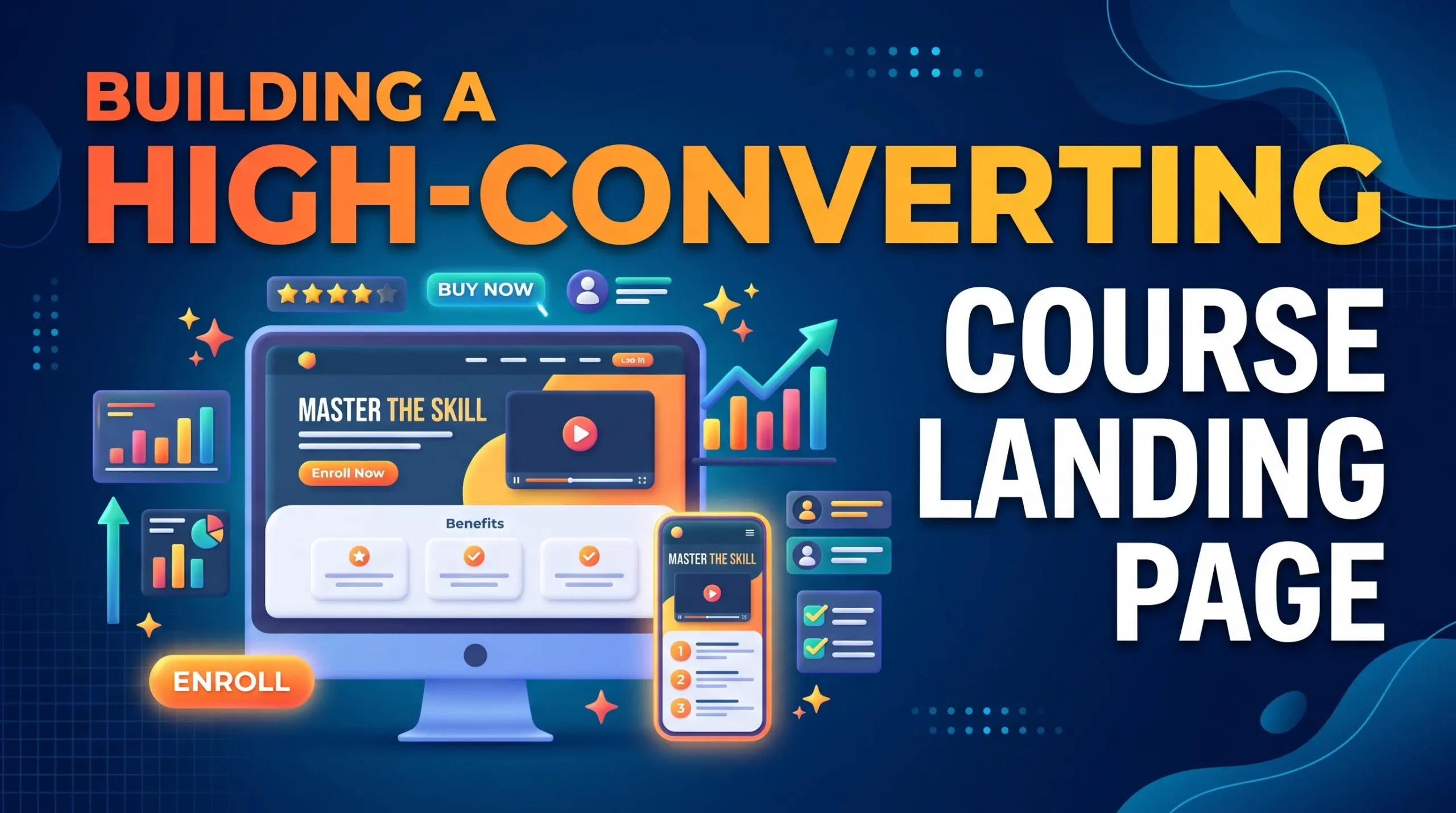 A Course Landing Page is often the first detailed introduction a potential student receives about a learning program. Its primary purpose is to explain what the course offers, who should take it, and how it can help learners achieve their goals. A confusing layout or vague message can make visitors leave before they understand the program’s value.
An effective landing page combines persuasive messaging with accessible design and relevant information. Every section should help visitors evaluate the course and move closer to enrollment without feeling pressured or overwhelmed.
Creating Clear Headlines and Course Benefits
The headline should communicate the course’s primary outcome in straightforward language. Instead of using a generic phrase such as “Complete Marketing Training,” a provider could explain that the course teaches learners how to plan and execute practical digital marketing campaigns. Specific messaging helps visitors determine whether the program matches their needs.
The page should also describe learning outcomes, course modules, instructor qualifications, delivery format, and expected time commitment. When students understand what they will learn and how they can apply that knowledge, they can make more informed enrollment decisions.
Improving Page Design and Mobile Usability
A landing page should load quickly, display correctly on different screen sizes, and make important information easy to find. Many prospective students explore courses through mobile devices, so small text, crowded layouts, and difficult navigation can create unnecessary friction.
Consistent typography, readable paragraphs, relevant visuals, and clearly positioned enrollment buttons can improve usability. Course providers should also check page performance regularly because slow loading times and technical errors can interrupt the journey from initial interest to completed enrollment.
Developing an Effective Course Marketing Strategy
A successful Course Marketing Strategy attracts the right audience and communicates why a specific educational program deserves consideration. Marketing activities should align with the course’s intended learners, their professional or personal goals, and the problems they want to solve. Broad promotional campaigns may generate traffic, but relevant messaging is more likely to attract visitors with genuine enrollment intent.
Conversion optimization becomes more effective when marketing and website experiences communicate the same value proposition. If an advertisement promises practical career skills, the landing page should clearly explain how the curriculum develops those skills rather than presenting unrelated benefits.
Aligning Content With Learner Intent
Potential students may search for different types of information depending on their stage in the decision-making process. Some want to understand a subject, while others compare course providers, investigate pricing, or look for specific skills they need to develop.
Educational blog posts, demonstration videos, webinars, and free introductory lessons can address these needs. Each resource should connect naturally to an appropriate course or next step. This approach builds familiarity with the provider while helping prospective learners evaluate whether the program meets their expectations.
Using Email Marketing to Support Enrollment
Email marketing can help course providers maintain communication with people who have shown interest but have not enrolled. A useful email sequence may explain the curriculum, introduce the instructor, answer common questions, and demonstrate how the course applies to real-world situations.
Personalized communication can make these messages more relevant to different learner groups. However, messages should respect subscriber preferences and avoid excessive promotional pressure. Clear explanations, useful educational content, and transparent enrollment information help build trust throughout the decision-making process.
Increasing Online Course Sales Through Trust and Value
 Online Course Sales depend on more than attractive pricing or persuasive advertising. Prospective students also want confidence that a course is credible, relevant, and worth their investment. Because online education often requires learners to pay before experiencing the complete program, uncertainty can become a major obstacle to conversion.
Course providers can reduce this uncertainty by offering accurate information, demonstrating instructional quality, and making expectations clear. Trust-building elements should reflect genuine course characteristics rather than exaggerated promises or unsupported claims.
Using Testimonials and Instructor Credentials
Authentic student testimonials can help potential learners understand how a program supports learning objectives. Detailed feedback about course organization, teaching quality, practical assignments, or student support is generally more informative than vague statements of satisfaction.
Instructor biographies can provide additional reassurance when they highlight relevant experience, qualifications, and subject knowledge. Providers should obtain permission before publishing testimonials and represent student experiences accurately. If a course is new and testimonials are unavailable, a sample lesson or curriculum preview can demonstrate quality without creating misleading impressions.
Communicating Pricing and Course Value
Pricing information should be easy to understand and presented alongside the benefits included in the course. Students may want to know whether the fee covers downloadable materials, instructor feedback, assessments, community access, or a completion certificate.
Clear explanations help prospective buyers compare the course with alternative learning options. If installment payments or different enrollment plans are available, providers should explain their terms transparently. Rather than relying on constant discounts, businesses should communicate the practical value of the learning experience and ensure that the price reflects what students actually receive.
Simplifying the Enrollment and Checkout Process
A complicated enrollment process can undermine an otherwise effective marketing campaign. Visitors who have already decided to purchase may abandon their transactions when they encounter lengthy forms, unexpected fees, confusing payment options, or technical difficulties. Simplifying these steps helps preserve purchase intent and makes enrollment more convenient.
Course providers should examine the complete checkout journey, from clicking the enrollment button to receiving purchase confirmation and course access. Each step should have a clear purpose and provide enough information for students to proceed confidently.
Reducing Friction During Registration
Registration forms should request only the information necessary to create an account, process payment, and deliver the course. Unnecessary questions can increase effort and discourage completion, particularly for mobile users.
Payment options should be reliable, clearly explained, and appropriate for the intended audience. Providers should also display relevant security information, communicate any additional charges before payment, and ensure that error messages explain how to resolve problems. After a successful transaction, an immediate confirmation with clear access instructions helps students begin learning without confusion.
Making Calls to Action More Effective
Calls to action should explain the next step in language that is easy to understand. Phrases such as “Enroll in the Course,” “Start Learning,” or “Register for the Workshop” can work when they accurately describe what happens after clicking.
Placement also matters. An enrollment button may appear near the opening course summary, after the curriculum, and near the pricing section. However, too many competing buttons or unrelated offers can distract visitors. Testing button wording, visibility, and placement helps identify the presentation that best supports the intended conversion.
Measuring Results and Testing Improvements
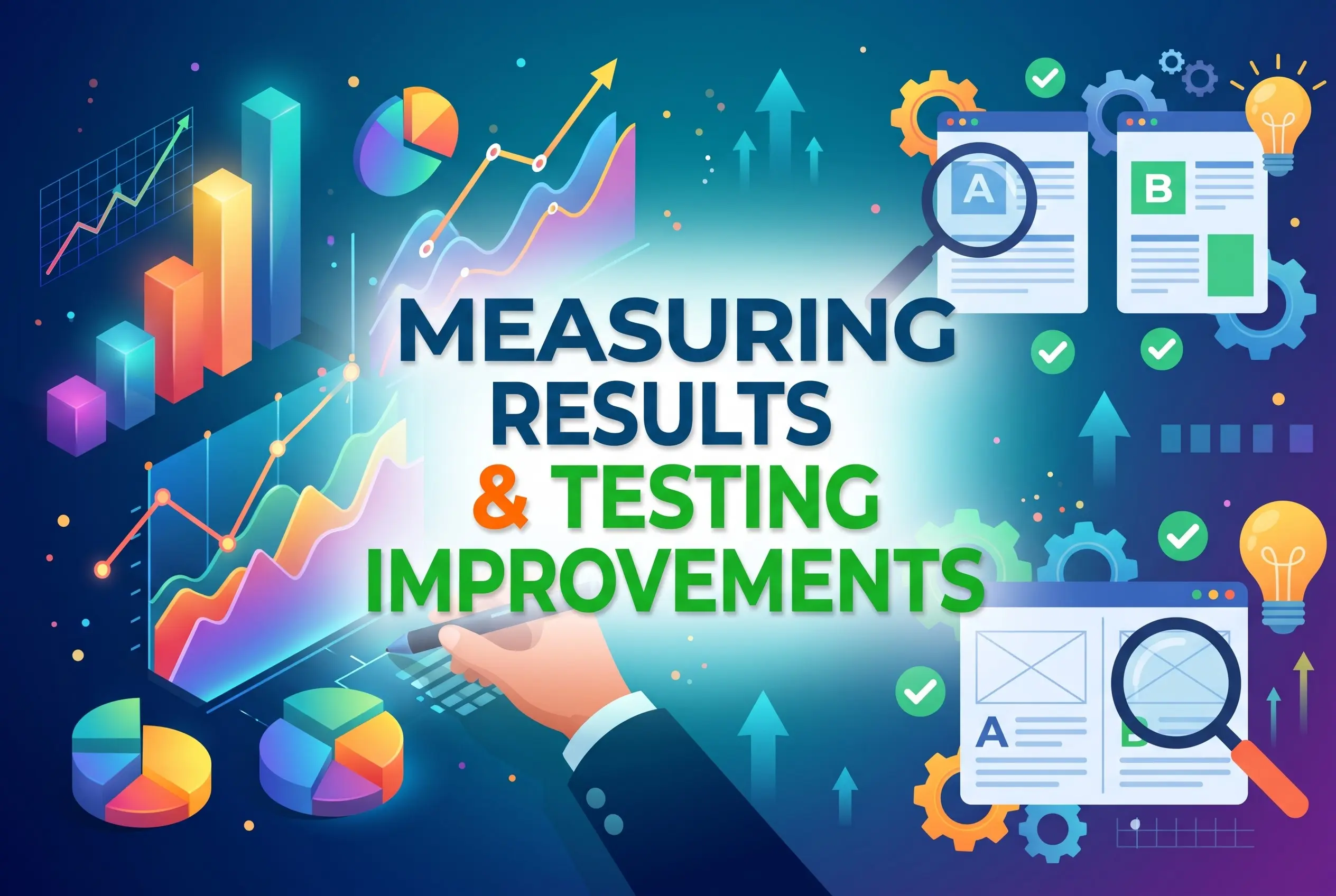 Sustainable optimization requires reliable measurement rather than decisions based on personal preference. Course providers should establish a baseline, monitor important website metrics, and investigate changes in user behavior over time. This creates a clearer understanding of which improvements support enrollment and which changes have little measurable impact.
Useful indicators include the percentage of visitors who enroll, checkout completion rates, landing page engagement, traffic sources, and revenue generated per visitor. Businesses should interpret these measurements in context because seasonal demand, audience quality, and campaign changes can influence results.
Calculating and Monitoring Conversion Rates
The basic conversion rate formula is the number of completed conversions divided by the number of relevant visitors, multiplied by 100. For example, if 1,000 qualified visitors arrive at a course page and 40 purchase the program, the purchase conversion rate is 4%.
This calculation provides a starting point for evaluating performance. Providers should define conversions consistently and distinguish between newsletter registrations, free trial sign-ups, and paid enrollments. Tracking each action separately reveals where prospective students leave the funnel and which stages may require improvement.
Running A/B Tests for Better Decisions
A/B testing compares two versions of a page element or experience to determine which performs better under comparable conditions. A course provider might test alternative headlines, pricing presentations, enrollment button text, or page layouts while keeping other important variables consistent.
Testing should be based on a clear hypothesis and sufficient data to support a reasonable conclusion. Very small samples can produce misleading results, so businesses should avoid declaring a winner after only a few visits or purchases. Documenting outcomes and repeating tests when appropriate helps build a reliable optimization process.
Creating Sustainable Growth Through Continuous Optimization
Course Conversion Rate Optimization should be treated as an ongoing business practice rather than a one-time website project. Learner expectations change, competitors introduce new offers, and marketing channels attract audiences with different needs. Regular performance reviews help course providers recognize emerging problems and adapt their websites without relying on guesswork.
Sustainable growth also requires balancing enrollment targets with educational quality. Attracting more students is valuable only when the business can deliver the learning experience it promises. Clear course information, dependable technical support, effective instruction, and useful learning materials help maintain student satisfaction after the purchase.
Connecting Conversion Data With Student Outcomes
Enrollment metrics explain what happens before purchase, but student engagement and completion data provide insight into the experience that follows. If students frequently abandon a course after enrolling, the business may need to examine onboarding, lesson structure, workload, or support availability.
Combining marketing performance with learner feedback creates a more complete picture of business success. Providers can use surveys, course progress data, and support requests to identify improvements that benefit students while strengthening retention and referrals. This broader approach supports growth that extends beyond the initial transaction.
Prioritizing Long-Term Business Value
The most effective optimization strategy focuses on qualified enrollments, student satisfaction, and sustainable revenue rather than simply maximizing the number of clicks. A campaign that attracts poorly matched learners may produce short-term sales but lead to dissatisfaction, refunds, and negative feedback.
Course businesses should regularly review their audience, messaging, curriculum, and pricing to ensure that these elements remain aligned. By making evidence-based improvements and maintaining realistic promises, providers can develop stronger customer relationships and create a more resilient online education business.
Conclusion
Course Conversion Rate Optimization helps online education businesses turn more qualified visitors into enrolled students by improving website usability, strengthening trust, and simplifying the purchasing journey. An effective Course Landing Page, a relevant Course Marketing Strategy, and a transparent enrollment experience work together to support stronger Online Course Sales.
Long-term results depend on understanding learner behavior, measuring meaningful performance indicators, and testing improvements consistently. When course providers combine conversion data with student feedback and educational quality, they can build a sustainable business that serves learners effectively while supporting continued growth.
Frequently Asked Questions
1. What is Course Conversion Rate Optimization?
Course Conversion Rate Optimization is the process of improving a course website and enrollment journey to increase the percentage of visitors who complete a desired action, such as purchasing a course or registering for a program.
2. Why is conversion optimization important for online courses?
It helps course providers generate more enrollments from existing traffic, reduce wasted marketing spending, improve the learner experience, and make better decisions about website and promotional improvements.
3. What is a good conversion rate for an online course?
There is no universal benchmark because conversion rates vary by price, audience, course topic, traffic source, and purchase intent. Businesses should establish their own baseline and compare performance over time.
4. How can I improve my Course Landing Page?
Use a clear headline, explain learning outcomes, present the curriculum and instructor credentials, provide authentic testimonials when available, optimize mobile usability, and make the enrollment process straightforward.
5. How does a Course Marketing Strategy affect conversions?
A well-planned strategy attracts learners whose needs match the course. Relevant content, targeted campaigns, email communication, and consistent messaging can help qualified visitors feel more confident about enrolling.
6. How can businesses increase Online Course Sales?
Businesses can improve course presentation, communicate value transparently, provide useful previews, strengthen trust, simplify checkout, and use performance data to identify obstacles that prevent interested visitors from purchasing.
7. Which metrics should course providers track?
Important metrics include purchase conversion rate, checkout completion rate, customer acquisition cost, revenue per visitor, refund rate, student engagement, and course completion rate. The most relevant metrics depend on business objectives.
8. Does A/B testing help improve course conversions?
Yes. A/B testing allows providers to compare alternative headlines, page layouts, calls to action, or pricing presentations. Reliable testing requires a clear hypothesis, consistent measurement, and sufficient data.
9. How can I reduce course enrollment abandonment?
Reduce unnecessary form fields, communicate all costs before payment, offer reliable payment methods, improve mobile usability, provide clear error messages, and send confirmation emails with straightforward course access instructions.
10. How does conversion optimization support sustainable business growth?
It helps businesses use marketing resources efficiently, attract suitable students, improve enrollment experiences, and identify opportunities for continuous improvement. Combined with high-quality instruction and student support, these practices can strengthen long-term business performance.