How to Improve Online Student Recruitment Through Digital Marketing
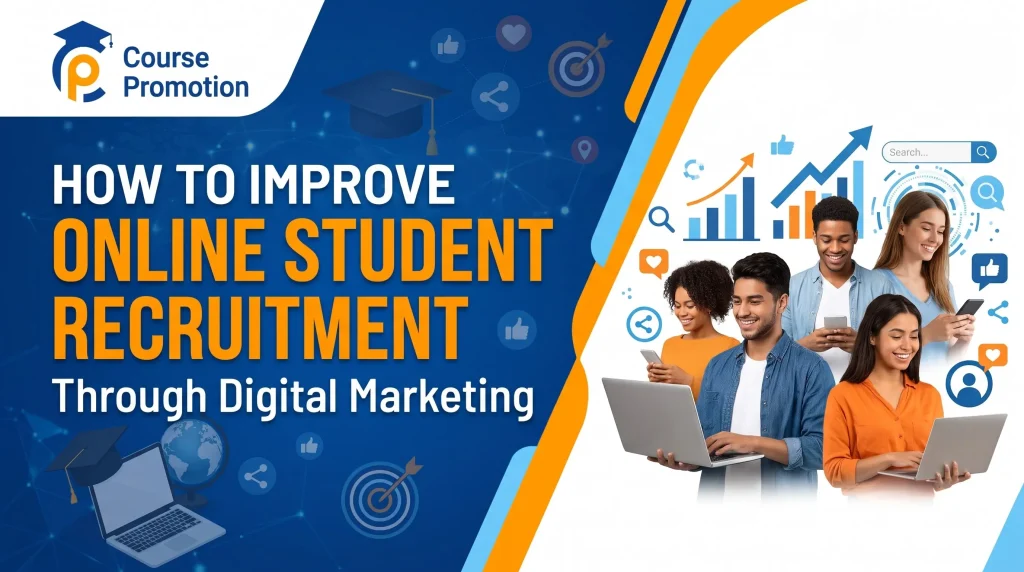
Online Student Recruitment has become increasingly important for schools, colleges, universities, and online education providers looking to attract qualified students in a competitive digital environment. Traditional recruitment methods alone may not reach prospective learners who rely on search engines, social media, educational websites, and online reviews when choosing a course. Digital marketing helps educational institutions connect with these learners, communicate program benefits, and guide them toward enrollment.
Effective strategies combine search engine optimization, targeted advertising, informative content, and optimized enrollment experiences. A well-designed Course Landing Page can convert interested visitors into inquiries, while a structured Course Sales Funnel helps institutions nurture prospective students throughout their decision-making journey. By investing in strategic Online Learning Marketing, educational providers can improve visibility, generate qualified leads, and build sustainable student recruitment systems.
Understanding Online Student Recruitment in Digital Marketing
Online Student Recruitment involves attracting prospective learners through digital channels and encouraging them to apply for educational programs. It requires institutions to understand student interests, identify suitable audiences, and communicate relevant information at the right time. Digital marketing makes this process more measurable by helping recruitment teams analyze website traffic, inquiries, application activity, and enrollment outcomes.
Identifying the Right Student Audience
Understanding the target audience is the foundation of an effective recruitment strategy. Educational institutions should research prospective students’ academic interests, career goals, preferred learning formats, budgets, and location requirements. This information helps marketers develop relevant messages for school graduates, working professionals, international applicants, and individuals seeking career advancement through online education.
Understanding the Student Decision-Making Journey
Students often compare several institutions before choosing a program. They may research course content, tuition fees, instructor qualifications, accreditation, career opportunities, and available support services. Educational marketers should provide clear answers throughout this process. Addressing these concerns through useful content and accessible communication can reduce uncertainty and encourage prospective students to take the next step.
Improve Search Engine Visibility With SEO
 Search engine optimization helps educational institutions appear when prospective students search for relevant courses, qualifications, and learning opportunities. A strong SEO strategy combines keyword research, useful educational content, technically sound websites, and relevant internal links. Higher visibility can attract students who already have an interest in a particular subject, making organic search an important channel for long-term recruitment.
Target Relevant Educational Keywords
Institutions should identify search terms that reflect student needs and enrollment intentions. Keywords may include course names, degree programs, online certifications, tuition information, and career-focused learning opportunities. Creating dedicated pages for relevant programs helps search engines understand the institution’s offerings while making it easier for prospective students to find specific information.
Publish Helpful Educational Content
Educational blogs, course comparisons, career guides, and frequently asked questions can attract prospective learners during the research stage. For example, an institution offering digital marketing courses could publish content about career opportunities, essential skills, and certification pathways. Helpful content builds credibility and creates opportunities to guide readers toward relevant programs without relying exclusively on promotional messages.
Optimize Technical SEO and Mobile Experience
A website should load quickly, work properly on mobile devices, and provide clear navigation. Technical issues such as broken links, confusing page structures, and slow loading can discourage prospective students. Educational institutions should also use descriptive page titles, appropriate headings, structured internal links, and accurate indexing settings to support search visibility and usability.
Create a High-Converting Course Landing Page
A Course Landing Page is a dedicated webpage designed to explain a specific educational program and encourage visitors to take an action, such as requesting information, booking a consultation, or submitting an application. An effective page communicates the course’s value clearly, addresses student concerns, and removes unnecessary barriers between initial interest and enrollment.
Highlight Course Benefits and Learning Outcomes
Prospective students need to understand what they will learn and how the program may support their goals. Landing pages should explain the curriculum, teaching format, expected duration, assessment methods, and relevant career applications. Clear descriptions help students determine whether the program matches their interests, experience, and professional ambitions.
Use Trust Signals and Clear Calls to Action
Trust signals help students evaluate the credibility of an educational provider. Verified testimonials, qualified instructor profiles, transparent tuition information, relevant accreditation details, and graduate outcomes can support informed decisions. Calls to action should explain the next step clearly, whether it involves downloading a prospectus, requesting guidance, or beginning an application.
Simplify the Inquiry Process
Complicated forms can discourage students from submitting their information. Institutions should request only the details needed for the next recruitment step and explain how the information will be used. Clear contact options, accessible forms, and helpful confirmation messages create a smoother experience and make it easier for recruitment teams to follow up.
Build an Effective Course Sales Funnel
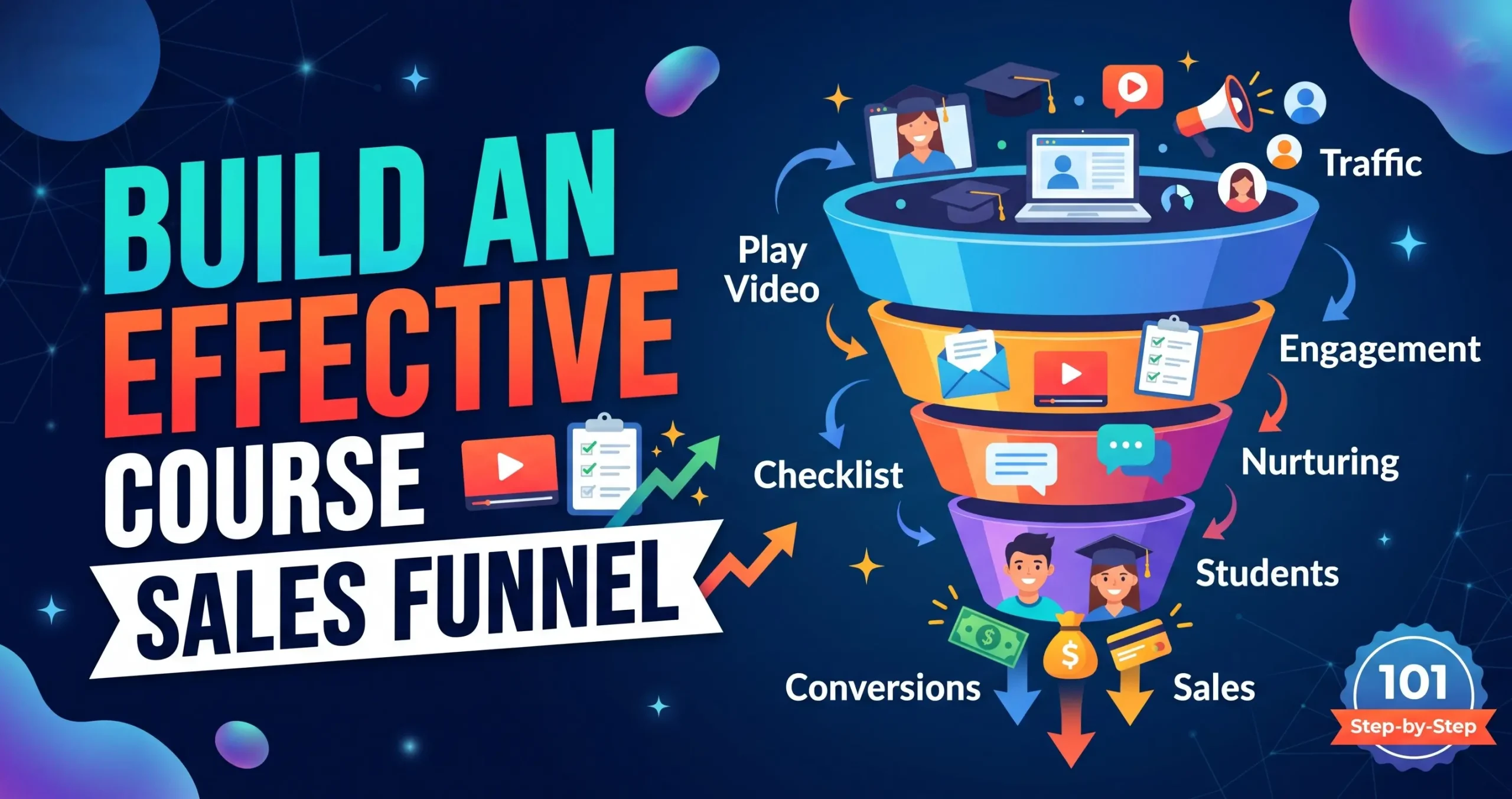 A Course Sales Funnel organizes the steps that move prospective students from discovering a program to considering it and eventually enrolling. It helps institutions deliver relevant information according to each student’s level of interest. A structured funnel also makes it easier to identify where prospective students lose interest and improve the recruitment process through targeted communication.
Attract Prospective Students
The first stage focuses on introducing educational programs to relevant audiences. Search engine content, social media campaigns, online events, and paid advertisements can attract students who are exploring learning opportunities. Marketing messages should address specific needs, such as career development, professional certification, academic progression, or flexible study options.
Nurture Interested Leads
Prospective students may need additional information before submitting an application. Email sequences, program guides, webinars, and personalized consultations can help answer their questions. Communication should reflect the student’s interests and provide genuine value rather than sending repetitive promotional messages. Timely follow-ups can maintain interest while allowing students to make informed decisions.
Encourage Applications and Enrollment
The final stage should make it easy for qualified students to understand admission requirements and complete their applications. Institutions can provide application checklists, transparent deadlines, financial information, and access to admissions support. Monitoring incomplete applications and addressing common obstacles can help improve conversion rates without creating unnecessary pressure on prospective students.
Strengthen Recruitment Through Social Media Marketing
Social media gives educational institutions opportunities to introduce programs, showcase campus or online learning experiences, and communicate directly with prospective students. Platforms such as Facebook, Instagram, LinkedIn, and YouTube serve different audience preferences. Institutions should choose channels according to their target students and create useful content that encourages questions, exploration, and meaningful engagement.
Share Engaging Educational Content
Short educational videos, instructor interviews, student stories, virtual campus tours, and course demonstrations can help prospective students understand what an institution offers. Content should present realistic information about learning experiences and outcomes. Consistent publishing and responsive communication help build familiarity while giving potential applicants more reasons to explore available programs.
Use Targeted Social Media Advertising
Paid social campaigns can reach audiences based on relevant characteristics and platform-supported interests. Institutions can promote specific programs, information sessions, scholarships, or application deadlines to suitable prospective students. Campaigns should use accurate claims, transparent conditions, and relevant landing pages. Testing different creative approaches and audience segments can help improve advertising efficiency.
Use Email Marketing to Nurture Prospective Students
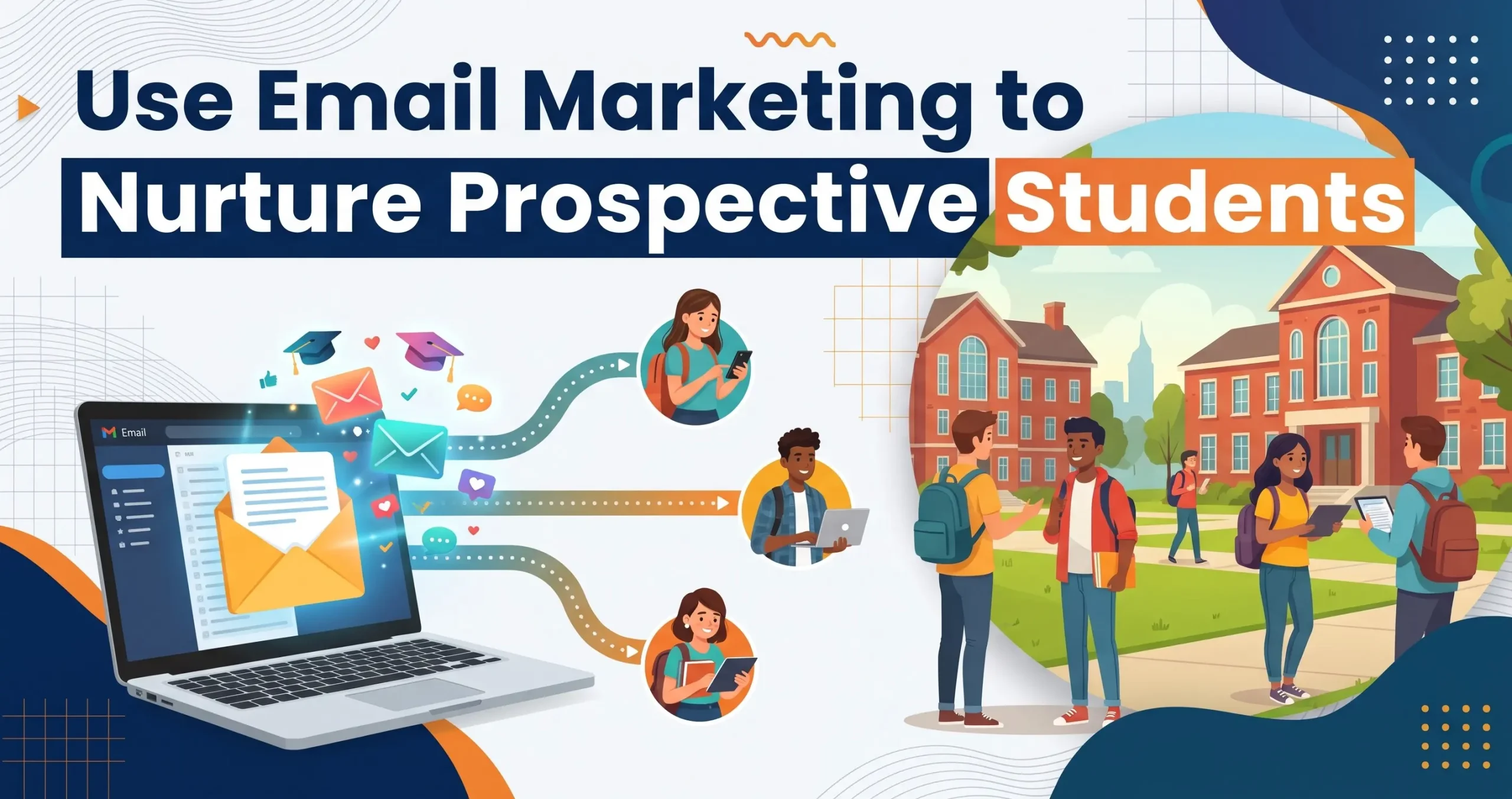 Email marketing supports Online Student Recruitment by maintaining communication with individuals who have requested information or expressed interest in a program. It allows educational institutions to deliver relevant updates, answer common questions, and explain application steps over time. Effective email communication should be personalized, timely, and based on appropriate consent and communication preferences.
Segment Email Audiences
Segmentation helps institutions send more relevant messages to different groups of prospective students. Undergraduate applicants may need information about admissions and campus life, while working professionals may prioritize flexible schedules and career outcomes. Organizing contacts according to program interest, application stage, and communication preferences makes recruitment messages more useful.
Develop Helpful Email Sequences
A structured sequence can introduce the institution, explain program benefits, share instructor information, answer frequently asked questions, and provide application guidance. Each message should offer a clear purpose and an appropriate next step. Institutions should monitor opens, clicks, inquiries, and application activity while respecting privacy requirements and unsubscribe requests.
Apply Effective Online Learning Marketing Strategies
Online Learning Marketing focuses on promoting digital courses and learning experiences to audiences seeking accessible, flexible education. Because students cannot always evaluate an online program through a physical visit, institutions must clearly communicate teaching quality, learner support, technology requirements, and expected outcomes. A coordinated marketing strategy helps prospective students understand the program and assess whether it suits their needs.
Demonstrate the Online Learning Experience
Institutions can use sample lessons, course previews, instructor demonstrations, and virtual information sessions to show how their programs work. These resources help students understand the learning platform, teaching approach, and level of interaction they can expect. Demonstrating the experience directly can reduce uncertainty and encourage qualified prospects to request further information.
Communicate Flexibility and Student Support
Online learners often consider schedule flexibility, technical assistance, instructor access, and opportunities to interact with classmates. Marketing materials should explain how these services operate and what support students can realistically expect. Accurate descriptions help establish trust and attract learners whose expectations match the institution’s actual capabilities.
Use Analytics to Improve Recruitment Performance
Analytics help educational institutions understand which marketing channels attract prospective students and which activities contribute to enrollment. Tracking performance across the recruitment journey allows teams to make decisions based on evidence rather than assumptions. Institutions should connect marketing measurements with meaningful outcomes, including qualified inquiries, completed applications, enrollment rates, and recruitment costs.
Track Important Recruitment Metrics
Useful metrics include organic search traffic, advertising cost per lead, landing page conversion rate, email engagement, application completion rate, and cost per enrolled student. Institutions should evaluate these indicators together because high traffic does not necessarily produce qualified applicants. Comparing results by course and marketing channel can reveal where resources are most effective.
Test and Optimize Campaigns
A/B testing can help determine whether alternative headlines, calls to action, forms, or landing page layouts produce better results. Institutions should test meaningful changes and allow sufficient time to collect useful data. Regular performance reviews can identify weak points in the recruitment journey and guide improvements to messaging, targeting, and enrollment processes.
Conclusion
Improving Online Student Recruitment through digital marketing requires a coordinated approach that connects audience research, SEO, landing page optimization, paid advertising, email communication, and performance measurement. A compelling Course Landing Page helps prospective students understand program benefits, while an effective Course Sales Funnel guides them from initial interest to enrollment. Strong Online Learning Marketing strategies further build trust by demonstrating educational value and explaining available support. Institutions should continually analyze campaign performance, improve the student experience, and communicate honestly about program outcomes. By combining relevant information with accessible digital experiences, educational providers can attract qualified learners, improve application conversion, and develop sustainable recruitment strategies for long-term growth.
Frequently Asked Questions
1. What Is Online Student Recruitment?
Online Student Recruitment is the process of attracting prospective students through digital channels, including search engines, social media, websites, email, and online advertising. Its goal is to generate inquiries, encourage applications, and increase suitable student enrollments.
2. How Does Digital Marketing Improve Student Recruitment?
Digital marketing helps institutions reach relevant audiences, promote educational programs, answer prospective students’ questions, and track campaign performance. These capabilities can improve visibility, generate qualified leads, and make recruitment activities more measurable.
3. Why Is a Course Landing Page Important?
A Course Landing Page provides focused information about a specific program and encourages visitors to take a clear action. Relevant course details, trust signals, transparent fees, and simple inquiry forms can help improve conversions.
4. What Is a Course Sales Funnel?
A Course Sales Funnel describes the journey from discovering an educational program to considering it, applying, and enrolling. It helps institutions deliver appropriate information and support at each stage of the decision-making process.
5. How Does SEO Support Online Student Recruitment?
SEO helps educational websites appear in relevant search results. By optimizing course pages and publishing useful educational content, institutions can attract prospective students who are actively researching learning opportunities.
6. Which Social Media Platforms Are Best for Student Recruitment?
The best platforms depend on the target audience and program type. Facebook, Instagram, LinkedIn, and YouTube can all support recruitment through educational content, program demonstrations, targeted campaigns, and direct communication.
7. How Can Email Marketing Increase Student Enrollment?
Email marketing helps institutions nurture prospective students with program information, application guidance, event invitations, and answers to common questions. Relevant communication can maintain interest and encourage qualified prospects to complete their applications.
8. What Is Online Learning Marketing?
Online Learning Marketing involves promoting digital courses and online educational programs through channels such as SEO, content marketing, social media, email, and paid advertising. It helps prospective learners understand course value and available support.
9. How Can Educational Institutions Measure Recruitment Success?
Institutions can measure success through qualified leads, inquiry-to-application rates, completed applications, enrollment rates, cost per enrolled student, and marketing channel performance. These metrics help identify effective strategies and areas needing improvement.
10. How Can Small Educational Institutions Improve Online Student Recruitment?
Small institutions can start by optimizing course pages, publishing helpful educational content, using relevant social media channels, and following up with interested prospects. Tracking a few meaningful metrics helps them prioritize affordable strategies and improve results over time.