Boost Online Course Engagement with AI-Powered Personalized Learning
In today’s competitive digital education landscape, AI-Powered personalization has become a game-changer for e-learning success. Learners no longer respond to generic, one-size-fits-all courses—they expect experiences tailored to their goals, learning pace, and preferences. By using artificial intelligence, course creators can design adaptive learning journeys, deliver personalized content recommendations, and maintain high engagement levels throughout the course lifecycle.
This comprehensive guide explains what AI-Powered personalization is, why it matters in modern e-learning, and how you can implement it step by step to improve learner engagement, retention, and outcomes.
What Is AI-Powered Personalization?
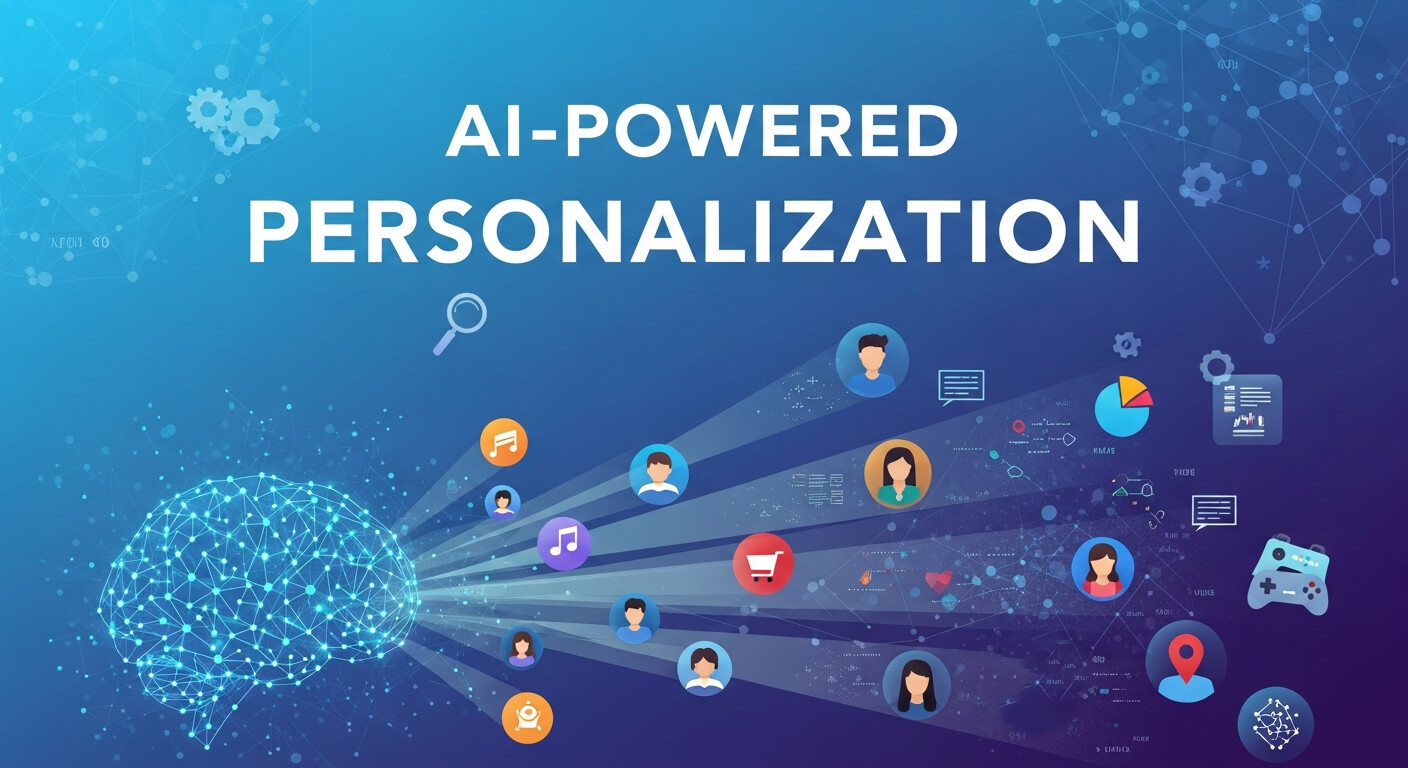
AI-Powered personalization in e-learning leverages machine learning algorithms, predictive analytics, and adaptive technologies to deliver customized learning experiences for every student. Instead of offering the same lessons to all learners, AI-driven platforms continuously analyze user behavior, performance data, and individual preferences in real time. This allows the system to adjust content difficulty, learning paths, and resource recommendations based on each learner’s needs. For instance, when a student struggles with a specific topic, the platform can instantly provide additional study materials, alternative explanations, or targeted practice quizzes to support mastery. By responding dynamically to learner progress, AI-Powered personalization enhances engagement, improves knowledge retention, and helps learners progress confidently at their own pace.
Why AI-Powered Personalization Matters in E-Learning
Traditional online courses often face challenges such as low learner engagement and high dropout rates due to generic, one-size-fits-all content. AI-Powered personalization addresses these issues by making learning experiences more relevant, adaptive, and learner-centric. By analyzing learner behavior, performance, and progress, AI systems tailor content to individual strengths and learning gaps. When students receive materials that match their skill level and learning needs, they feel more motivated, confident, and supported throughout the course. Research shows that personalized, AI-Powered learning improves knowledge retention, accelerates course completion, and increases overall learner satisfaction. As a result, educators can deliver more effective courses while learners enjoy a smoother, more engaging, and outcome-driven learning journey.
Key Benefits of AI-Powered Personalization
-
Enhanced Engagement: Learners stay focused with content delivered at the right difficulty level.
-
Optimized Learning Paths: AI identifies skill gaps and recommends the most relevant resources.
-
Scalable Learner Support: AI chatbots and tutoring systems provide instant, 24/7 assistance.
-
Actionable Analytics: Instructors gain insights into learner behavior and performance trends.
-
Improved Learning Outcomes: Adaptive feedback boosts confidence, mastery, and completion rates.
Popular AI-Powered Personalization Tools and Platforms
Several modern e-learning platforms now offer AI-Powered personalization features:
-
Docebo: Machine learning-based content and course recommendations
-
Knewton Alta: Adaptive learning and real-time difficulty adjustment
-
Coursera for Business: AI-driven progress tracking and skill pathways
-
EdApp: Microlearning modules personalized through learner performance
Step-by-Step Guide to Implement AI-Powered Personalization
-
Define Learning Objectives
Identify which skills or outcomes will benefit most from personalization. -
Collect Learner Data
Use surveys, pre-assessments, and profiles to understand starting points. -
Choose the Right LMS or Platform
Select tools that support adaptive learning and AI analytics. -
Create Modular Content
Design micro-units such as videos, quizzes, and readings that AI can reorder dynamically. -
Apply Adaptive Logic or AI Algorithms
Start with rules-based personalization and expand to machine learning models. -
Test and Optimize
Run A/B tests to compare static vs. personalized learning experiences. -
Track Engagement Metrics
Monitor completion rates, time-on-task, and learner feedback.
AI-Powered Personalization and Learner Motivation
AI-Powered personalization plays a crucial role in increasing learner motivation by creating a sense of relevance and progress. When learners feel that a course understands their needs and adapts accordingly, their intrinsic motivation increases. AI systems track progress, reward milestones, and suggest achievable next steps, which helps learners stay committed. Personalized reminders, adaptive challenges, and customized feedback reduce frustration and boredom. Instead of feeling lost or overwhelmed, learners experience a guided journey that feels achievable. This motivational boost is especially important in self-paced courses where drop-off rates are high. By aligning content with personal goals and performance levels, AI-Powered personalization transforms passive learners into active participants who are more likely to complete courses and apply their knowledge.
Role of AI-Powered Personalization in Skill Mastery
AI-Powered personalization supports deeper skill mastery by focusing on competency rather than content completion. Instead of moving learners forward based only on time spent, AI systems analyze performance patterns to ensure understanding. Learners who master topics quickly can skip redundant content, while others receive additional practice and explanations. This mastery-based approach reduces knowledge gaps and builds confidence. AI-Powered platforms can also map skills to real-world outcomes, showing learners how each module contributes to career or professional growth. By continuously adjusting learning paths, AI ensures that learners achieve true proficiency rather than surface-level familiarity. This makes AI-Powered personalization especially valuable for technical, professional, and certification-based courses.
AI-Powered Feedback and Assessment Automation
One of the strongest advantages of AI-Powered personalization is automated, real-time feedback. Traditional assessments often delay feedback, reducing its impact. AI-driven systems evaluate quizzes, assignments, and interactions instantly, offering personalized explanations and improvement tips. This immediate response helps learners correct mistakes while concepts are still fresh. AI can also adjust assessment difficulty based on past performance, ensuring fair and meaningful evaluation. For instructors, automated grading and analytics save time while maintaining accuracy. AI-Powered feedback creates a continuous learning loop where learners test, learn, and improve without waiting—resulting in faster progress and higher satisfaction.
AI Revolution Is Transforming Course Marketing
AI is transforming course marketing by making promotions smarter and more personalized. AI-powered tools analyze learner behavior and search intent to target the right audience with customized ads, emails, and landing pages. From creating marketing content to optimizing campaigns through A/B testing and predictive analytics, AI helps course creators improve visibility, increase enrollments, reduce costs, and scale their online courses more efficiently in a competitive digital market. In-depth guide on this topic: AI for Online Course Promotion
AI for Online Course Promotion
AI for Online Course Promotion helps educators reach the right learners at the right time using AI-Driven Chatbot Marketing insights. By analyzing user behavior and interests, AI tools optimize ads, emails, and content marketing. Automated audience segmentation, personalized messaging, and predictive analytics improve conversions, reduce costs, and scale course enrollments faster.
Personalization Through AI-Powered Content Recommendation
AI-Powered content recommendation systems function much like streaming platforms but for learning. By analyzing learner behavior, preferences, and performance, AI suggests the most relevant videos, readings, or activities. This prevents learners from wasting time on unnecessary content and helps them focus on what truly matters. Personalized recommendations also encourage exploration by introducing related topics aligned with learner interests. Over time, the system becomes smarter, refining suggestions based on outcomes. This targeted approach keeps learners engaged and reduces cognitive overload. AI-Powered recommendations make learning feel intuitive and efficient, especially in large course libraries or multi-module programs.
AI-Powered Personalization for Corporate Training
In corporate learning environments, AI-Powered personalization aligns training with job roles, performance goals, and skill gaps. Employees receive customized learning paths based on their responsibilities, experience, and career objectives. AI systems analyze workplace performance data to recommend targeted upskilling or reskilling content. This ensures training remains relevant and impactful rather than generic. Managers gain insights into team progress, while employees feel supported rather than forced into unnecessary modules. AI-Powered personalization improves training ROI by reducing time spent on irrelevant content and accelerating workforce readiness. As businesses evolve rapidly, personalized AI-driven learner engagement becomes essential for continuous professional development.
Leveraging AI-Powered Chatbots
Leveraging AI-Powered chatbots in online learning environments helps improve learner support, engagement, and overall course efficiency. These chatbots provide instant responses to common questions, guide learners through course navigation, and offer personalized recommendations based on individual progress. Available 24/7, AI-Powered chatbots reduce waiting time and ensure learners receive assistance whenever they need it. They can also send reminders, clarify concepts, and suggest relevant resources, creating a smoother learning experience. For instructors, chatbots automate repetitive support tasks, allowing more time for high-value teaching activities. By offering timely, personalized assistance at scale, AI-Powered chatbots enhance learner satisfaction, reduce dropout rates, and contribute to a more responsive and learner-centric e-learning ecosystem. Continue reading to learn more: AI-Powered Chatbots
Using AI-Powered Personalization to Reduce Dropout Rates
High dropout rates are a common challenge in online learning, and AI-Powered personalization offers an effective solution. By monitoring engagement signals such as inactivity, low scores, or repeated errors, AI can detect at-risk learners early. The system then intervenes with reminders, encouragement, or simplified content. Personalized pacing ensures learners are neither rushed nor delayed unnecessarily. When learners feel supported and understood, they are less likely to abandon the course. AI-Powered personalization transforms reactive support into proactive engagement, helping learners stay on track and complete their learning journey successfully.
AI-Powered Personalization and Inclusive Learning
AI-Powered personalization promotes inclusive learning by adapting content for diverse learning needs and abilities. Learners with different language skills, cognitive preferences, or accessibility requirements benefit from customized formats such as simplified text, visual aids, or alternative explanations. AI systems can adjust pacing and presentation styles without singling out individuals. This creates an inclusive environment where all learners feel valued and supported. By reducing barriers to understanding, AI-Powered personalization ensures equal learning opportunities. Inclusive design not only improves outcomes but also expands course reach, making education more accessible to a broader global audience.
Long-Term Impact of AI-Powered Personalization on Learning Behavior
Beyond short-term engagement, AI-Powered personalization shapes long-term learning behavior. Learners become more self-aware as AI highlights strengths, weaknesses, and progress trends. Personalized insights encourage goal-setting and continuous improvement. Over time, learners develop better study habits and confidence in self-directed learning. AI-Powered systems also adapt as learners evolve, supporting lifelong learning rather than one-time course completion. This long-term impact makes AI personalization a strategic investment for educators and institutions aiming to build sustainable learning ecosystems. By empowering learners with adaptive guidance, AI-Powered personalization fosters independence, resilience, and ongoing skill development.
Measuring the Success of AI-Powered Personalization
To evaluate effectiveness, track these metrics:
-
Course completion rate improvements
-
Assessment and quiz score trends
-
Average time to course completion
-
Learner satisfaction and feedback surveys
-
Behavioral data such as clicks, views, and engagement heatmaps
Overcoming Common AI-Powered Personalization Challenges
-
Data Privacy: Ensure GDPR and CCPA compliance through consent and anonymization
-
Technical Complexity: Start small before adopting advanced AI models
-
Content Fragmentation: Maintain a clear and logical content structure
-
Instructor Adoption: Train educators to interpret AI-driven insights effectively
Future Trends in AI-Powered E-Learning
The future of AI-Powered education includes:
-
Emotion AI for sentiment-based content adjustments
-
Personalized VR Simulations for immersive learning
-
AI Mentorship Bots offering real-time coaching and motivation
Conclusion
AI-Powered personalization is transforming e-learning by delivering adaptive, learner-centric education experiences that drive engagement, retention, and results. By implementing AI strategically and continuously optimizing based on data, educators and course creators can stay ahead in the evolving digital learning ecosystem.
Start your AI-Powered personalization journey today and create online courses that truly adapt to your learners’ needs.
Frequently Asked Questions (FAQ)
What does AI-Powered personalization mean in e-learning?
AI-Powered personalization uses artificial intelligence to adapt learning content, assessments, and recommendations based on individual learner behavior, progress, and preferences.
How does AI-Powered learning improve student engagement?
AI-Powered systems deliver the right content at the right time, keeping learners motivated by matching difficulty levels to their skills and learning pace.
Is AI-Powered personalization expensive to implement?
Not necessarily. Many LMS platforms offer affordable AI-Powered features, while advanced solutions can be scaled gradually based on budget and course size.
Can AI-Powered tools replace human instructors?
No. AI-Powered tools support instructors by automating tasks and providing insights, but human guidance and mentorship remain essential.
Is learner data safe in AI-Powered e-learning systems?
Yes, when platforms follow data privacy standards like GDPR and use secure, transparent data-handling practices.
What types of courses benefit most from AI-Powered personalization?
Skill-based, professional, and self-paced online courses benefit the most from AI-Powered personalization due to varied learner levels.
Does AI-Powered learning work for small online courses?
Yes. AI-Powered tools scale well and can enhance engagement even in small or niche courses.
How quickly can AI-Powered personalization show results?
Many courses see improvements in engagement and completion rates within a few weeks of implementation.
Can AI-Powered systems support mobile learning?
Yes. Most AI-Powered platforms are mobile-friendly and adapt content across devices.
Do learners need technical skills to use AI-Powered courses?
No. AI-Powered personalization works in the background, offering a smooth and user-friendly learning experience.