Community Building Strategies to Boost Engagement and Completion in Your Online Courses
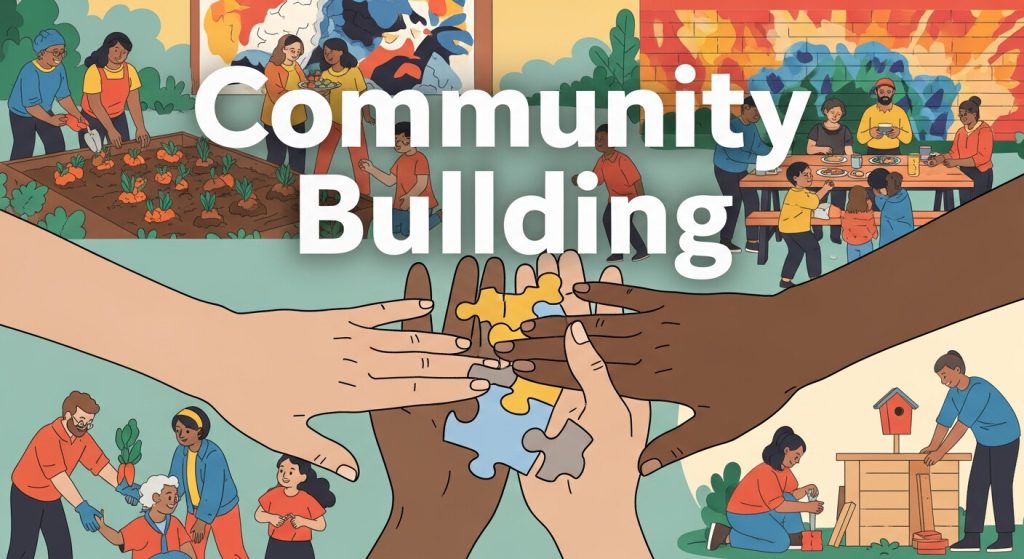
Community Building is one of the most powerful yet overlooked drivers of success in online education. Imagine launching a brilliant online course only to find that a significant portion of learners drop off before reaching the finish line. While high-quality content matters, Community Building creates the motivation, accountability, and connection learners need to stay engaged and complete your course.
In traditional classrooms, students benefit from peer interaction, shared energy, and social accountability. Online learning environments, however, often lack this human connection. Without a strong sense of belonging, learners can feel isolated—leading to disengagement and low completion rates. By intentionally designing a thriving learning community, instructors can foster collaboration, boost motivation, and significantly improve learner outcomes.
What Is Community Building Strategies
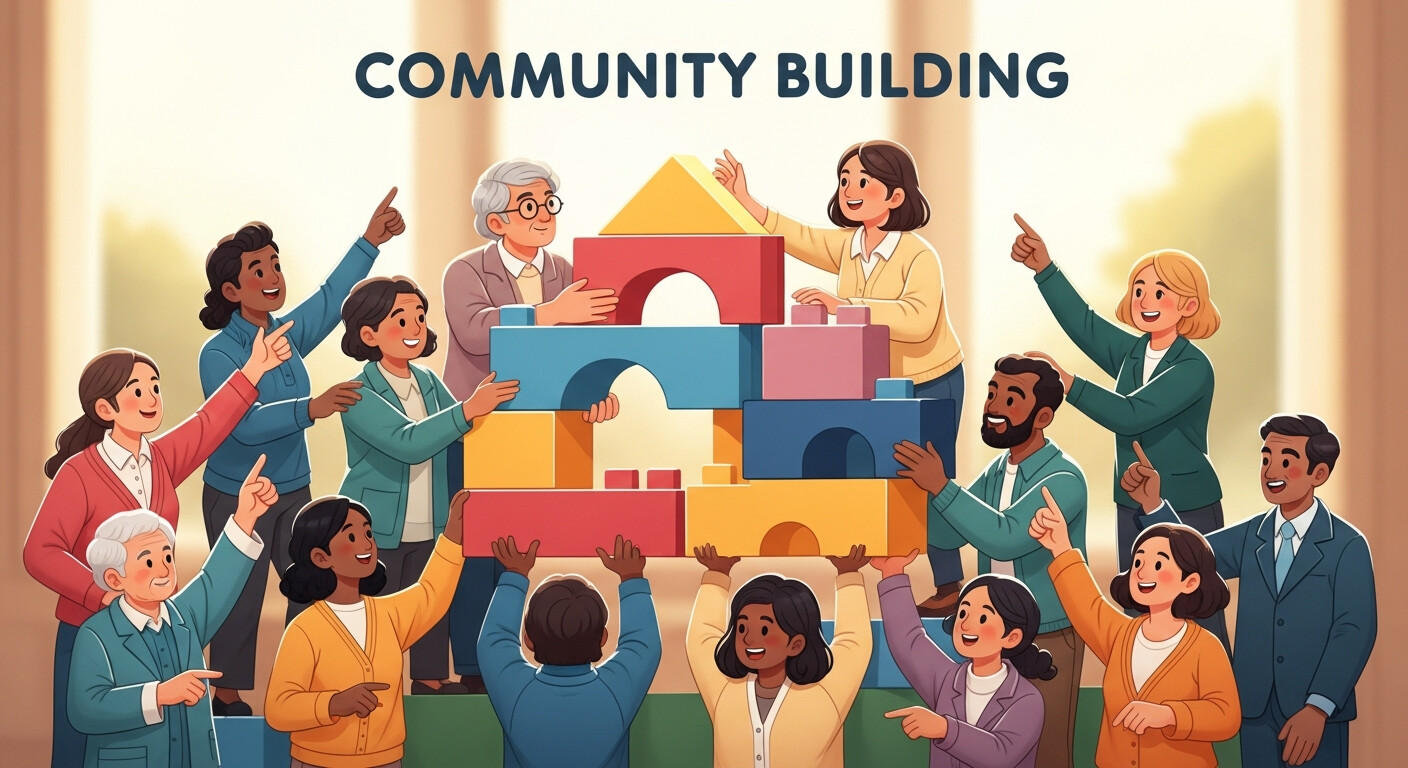
Community Building Strategies are structured approaches used to create meaningful connections, collaboration, and engagement among learners within an online course or digital learning environment. These strategies focus on fostering interaction between students, instructors, and peers through discussion forums, live sessions, peer learning activities, gamification, and social platforms. Instead of learning in isolation, students become part of an active community where they feel supported, motivated, and accountable. Effective Community Building Strategies encourage knowledge sharing, boost participation, and help learners stay committed to their learning goals. By building trust and a sense of belonging, these strategies significantly improve learner engagement, satisfaction, and course completion rates in online education.
Why Community Building Matters in Online Courses
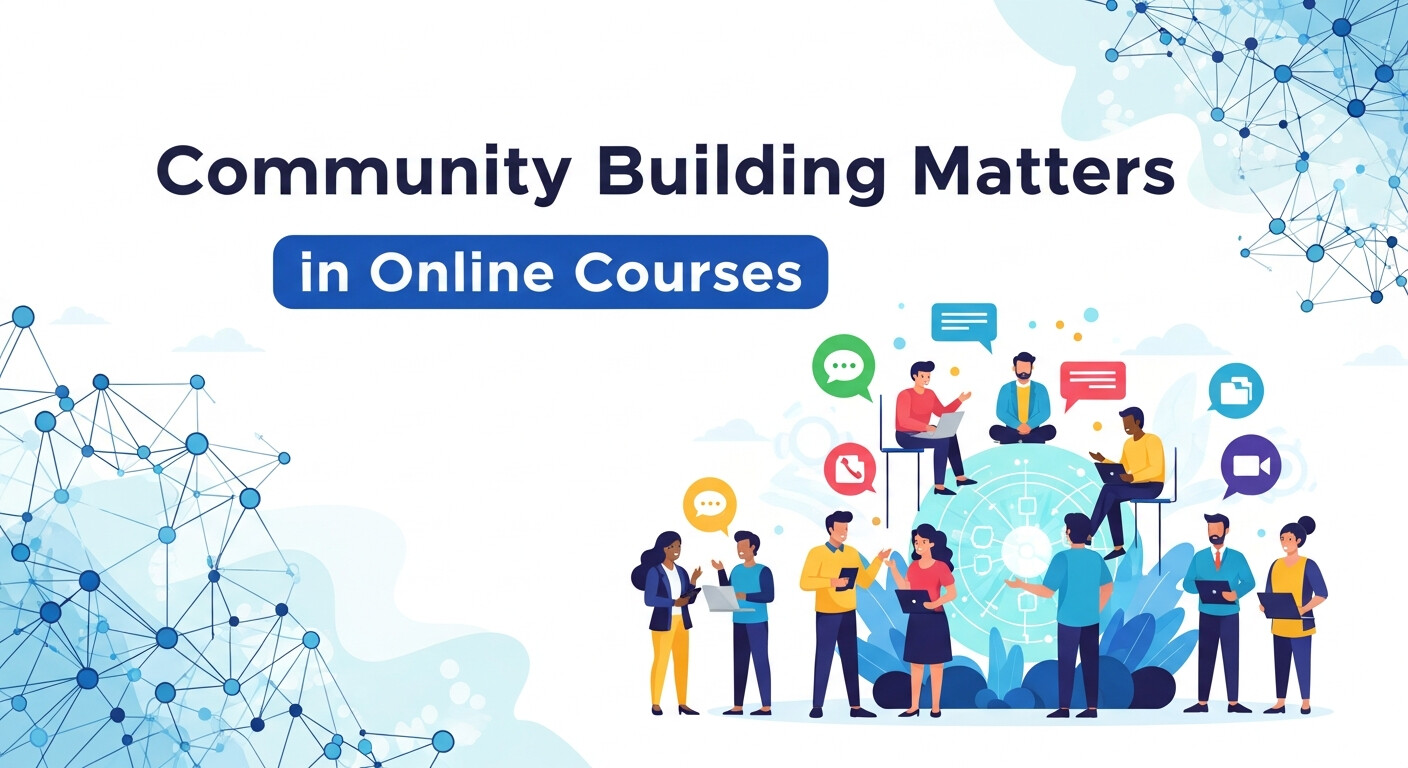
In live classrooms, students naturally interact, ask questions, and form study groups. Online learners miss out on these organic experiences. Without community support, motivation declines and learners are more likely to abandon self-paced courses.
Effective Community Building helps bridge this gap by:
-
Creating a sense of belonging
-
Encouraging peer-to-peer support
-
Increasing accountability
-
Providing social proof through shared progress
When learners feel connected to others, they are more invested in completing the course and achieving mastery.
Build Dedicated Online Forums for Engagement
A dedicated discussion forum serves as the backbone of online Community Building. Tools like Discourse, Vanilla Forums, or LMS-based discussion boards allow learners to ask questions, share insights, and collaborate.
Best practices:
-
Create clear categories (Introductions, Course Topics, Assignments, Resources)
-
Encourage learners to share goals during onboarding
-
Maintain an active instructor presence
-
Highlight top contributions to motivate participation
A well-moderated forum creates a safe, engaging space where learners feel supported.
Host Live Virtual Events and Meetups
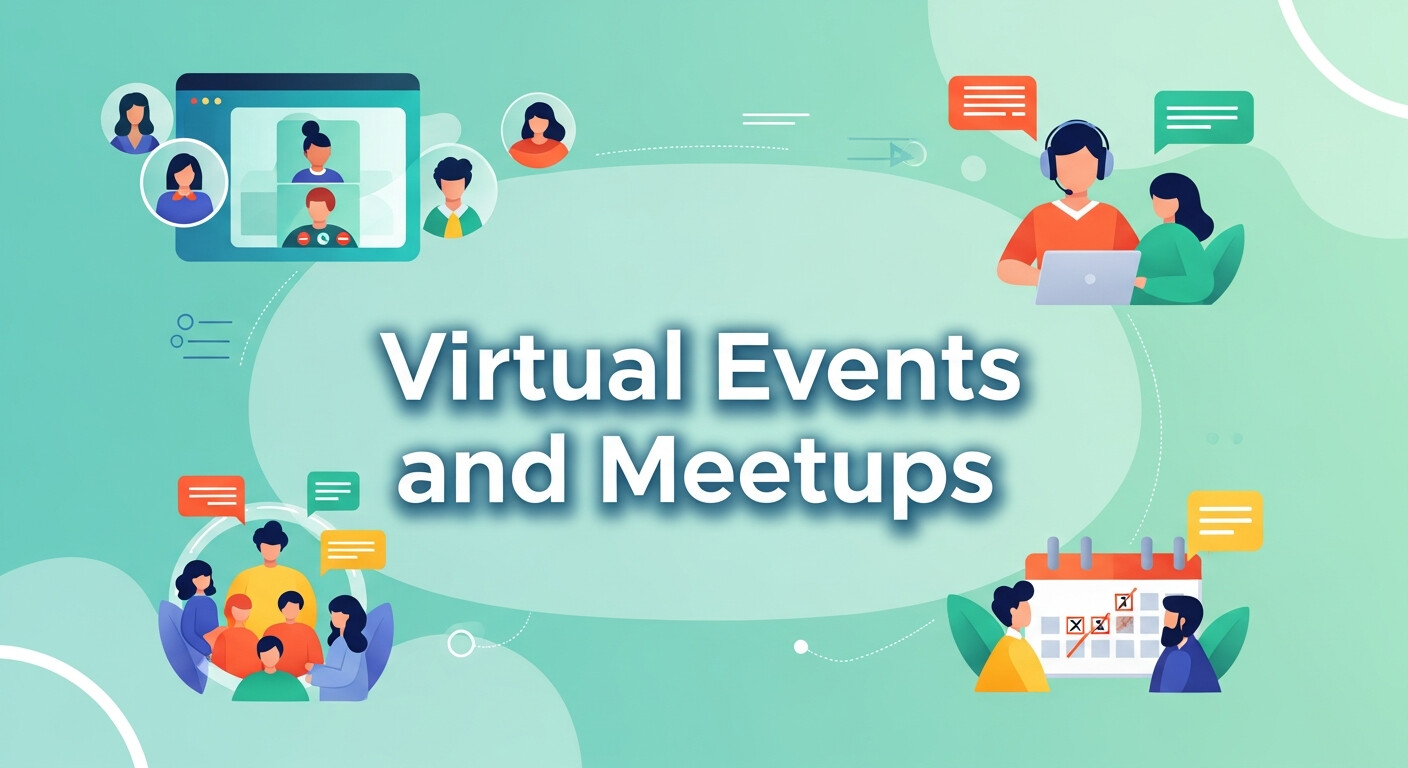
Live virtual sessions add real-time interaction and energy to your course community. Monthly Q&A sessions, webinars, or virtual office hours increase engagement and strengthen relationships.
Community Building tips for live events:
-
Collect questions in advance
-
Record sessions for global learner
-
Invite guest experts for variety
-
Promote events consistently
Live interaction reduces drop-offs by making learners feel seen and heard.
Encourage Peer-to-Peer Learning
Peer learning is a core pillar of effective Community Building. Structured activities such as group projects, peer reviews, or study circles encourage collaboration and deeper learning.
Implementation ideas:
-
Assign small cohorts
-
Provide rubrics and feedback guidelines
-
Promote constructive, respectful discussion
When learners teach and support each other, engagement and confidence increase.
Online Courses on Social Media and Community Building
Social media plays a vital role in promoting online courses while strengthening Community Building efforts. Platforms like Facebook, LinkedIn, Instagram, and Discord allow instructors to connect with learners beyond the course platform and create ongoing interactions. By sharing educational posts, live sessions, polls, and discussion threads, course creators can encourage engagement and peer-to-peer communication. These interactions help learners feel connected, supported, and motivated throughout their learning journey. Social media–driven Community Building also creates spaces where students can ask questions, share progress, and celebrate achievements together. When online courses leverage social media effectively, they transform passive learners into active community members, leading to higher engagement and improved course completion rates.
Find out more about this topic: Online Courses on Social Media: A Strategic Guide
Personalized Communication to Strengthen Community Building
Personalized communication plays a crucial role in effective Community Building by making learners feel seen, valued, and supported throughout their learning journey. Addressing learners by name, sending progress-based emails or messages, and offering personalized feedback on assignments help create a more human and engaging experience. Instead of generic updates, tailored communication shows that instructors are attentive to individual progress and challenges.
Personalized check-ins, milestone reminders, and encouragement messages motivate learners to stay consistent and active within the community. This approach also builds trust between instructors and students, encouraging open discussions and peer interaction. When learners feel personally connected to both the course and its community, they are more likely to participate, support others, and complete the course successfully.
Use Gamification and Recognition
Gamification mastery enhances Community Building by rewarding participation and progress. Badges, leaderboards, and milestones tap into intrinsic motivation.
Examples include:
-
“First Forum Post” badge
-
“Module Master” achievement
-
Public recognition for top contributors
Meaningful recognition keeps learners motivated and invested in completing the course.
Using YouTube to Promote Online Courses with Community Building Strategies
YouTube is an effective platform to promote online courses by sharing valuable content, building trust, and attracting the right learners organically.YouTube is not only a powerful platform for promoting online courses but also an effective tool for implementing Community Building Strategies. By sharing valuable educational content, instructors can attract learners while simultaneously creating a sense of connection and trust. Videos such as live streams, Q&A sessions, behind-the-scenes content, and student success stories encourage interaction through comments and discussions. These engagements help build an early online learning community even before enrollment. Additionally, directing viewers to private groups, discussion forums, or live classes strengthens community involvement after sign-up. When YouTube is combined with strong Community Building Strategies, it transforms passive viewers into active learners, increases engagement, and improves online course completion rates.
Discover more insights on this topic: YouTube to Promote Online Courses
Leverage Social Media for Community Expansion
Private social media groups on Facebook, LinkedIn, or Discord extend Community Building beyond the LMS. These platforms encourage informal interaction, quick updates, and networking.
Tips for success:
-
Set clear community guidelines
-
Appoint moderators
-
Encourage value-driven discussions
Strong social communities often evolve into long-term alumni networks.
Create Study Buddy Systems for Accountability
Pairing learners promotes accountability and personalized support. A structured “study buddy” system strengthens Community Building by fostering one-on-one connections.
How to implement:
-
Match learners by goals or time zones
-
Provide weekly discussion prompts
-
Check in periodically and adjust pairings
This strategy combats isolation and improves completion rates.
Design Interactive Q&A Sessions
Interactive Q&A sessions reinforce Community Building by demonstrating instructor accessibility. Use live tools or asynchronous AMA threads to address learner questions.
Repurpose top questions into:
-
Knowledge bases
-
FAQs
-
Resource libraries
This approach benefits both current and future learners.
Building Long-Term Learning Communities Beyond the Course
Community Building should not end when a course is completed. Creating long-term learning communities helps maintain meaningful relationships between learners, instructors, and peers even after the course concludes. Alumni groups, private social media communities, and dedicated discussion spaces allow former students to stay connected, share updates, and support one another. Follow-up sessions, refresher workshops, and exclusive content keep learners engaged and encourage continuous skill development.
These extended communities foster networking opportunities, peer collaboration, and knowledge sharing beyond the classroom. They also strengthen brand loyalty and trust, making learners more likely to enroll in advanced courses or recommend the program to others. By nurturing long-term learning communities, instructors create lasting value that goes far beyond a single course experience.
Onboarding Experience for Strong Community Building
A well-designed onboarding experience sets the foundation for Community Building. Introducing learners to community guidelines, discussion spaces, and engagement expectations early helps them feel comfortable participating. Welcome messages, orientation videos, and introduction activities encourage learners to connect from day one.
Role of Instructors in Community Building
Instructors play a crucial role in Community Building by guiding discussions, encouraging participation, and creating a supportive learning environment.Instructors play a central role in Community Building by modeling positive interaction and engagement. Active participation in discussions, timely responses, and encouraging peer interaction help create a supportive learning environment. Instructor presence builds trust and motivates learners to stay involved throughout the course.
Using Feedback Loops to Improve Community Building
Feedback loops are essential for continuously improving Community Building efforts in online courses. By regularly collecting feedback through surveys, polls, quizzes, and open discussion threads, instructors can gain valuable insights into learner experiences, challenges, and expectations. These feedback channels give learners a voice and help identify what is working well and where engagement may be dropping.
Actively responding to feedback and implementing suggested improvements shows learners that their opinions truly matter. This transparency builds trust and encourages greater participation within the community. Sharing updates about changes made based on learner input further strengthens engagement and accountability. Over time, consistent feedback loops help refine Community Building strategies, create a more learner-centered environment, and foster a stronger, more supportive online learning community.
Measure and Improve Your Community Building Strategy
Measuring and improving your Community Building strategy is essential to ensure long-term engagement and higher course completion rates. Start by tracking key performance indicators (KPI) that reflect learner involvement and interaction within your course ecosystem. Monitor forum participation to understand how actively learners are asking questions, sharing insights, and supporting peers. Analyze live event attendance to evaluate the effectiveness of webinars, Q&A sessions, and virtual meetups. Assignment submission and course completion rates provide direct insight into learner commitment and motivation.
In addition to analytics, collect qualitative feedback through surveys, polls, and discussion threads to understand learner experiences and challenges. Identify patterns where engagement drops and experiment with new formats, incentives, or communication styles. By continuously refining your Community Building approach based on data and learner feedback, you can create a more supportive, engaging, and successful online learning community.
Conclusion
Strong Community Building transforms online courses from static content libraries into dynamic learning ecosystems. By combining discussion forums, live events, peer learning, gamification, and feedback loops, you create an environment where learners feel connected, motivated, and accountable.
Start small, experiment with one or two strategies, and scale over time. The result? Higher engagement, stronger relationships, and dramatically improved course completion rates.
Frequently Asked Questions (FAQ)
What is Community Building in online courses?
Community Building in online courses refers to creating an interactive learning environment where students connect, collaborate, and support each other through discussions, events, and shared goals. It helps learners stay motivated and engaged throughout the course.
Why is Community Building important for online course success?
Community Building reduces learner isolation, increases accountability, and improves motivation. When students feel part of a community, they are more likely to stay engaged and complete the course.
How does Community Building improve course completion rates?
By fostering peer support, social accountability, and regular interaction, Community Building keeps learners involved. Seeing peers progress and receiving encouragement increases commitment and reduces drop-off rates.
What are the best Community Building strategies for online courses?
Effective strategies include discussion forums, live virtual events, peer-to-peer learning, gamification, social media groups, study buddy systems, and interactive Q&A sessions.
Do online forums really help with Community Building?
Yes. Dedicated forums allow learners to ask questions, share insights, and collaborate at their own pace. A well-moderated forum creates a safe space that strengthens Community Building and engagement.
How can instructors encourage student participation in a learning community?
Instructors can encourage participation by being active in discussions, recognizing top contributors, hosting live sessions, and creating structured activities like peer reviews and group projects.
Is Community Building useful for self-paced online courses?
Absolutely. Community Building adds accountability and connection to self-paced courses, helping learners stay motivated even without fixed schedules.
What tools are best for Community Building in online education?
Popular tools include LMS discussion boards, Discourse, Zoom, Microsoft Teams, Slack, Discord, and private Facebook or LinkedIn groups.
How do live events support Community Building?
Live events create real-time interaction, allowing learners to ask questions, connect with instructors, and engage with peers—strengthening trust and reducing disengagement.
Can Community Building work for small online courses?
Yes. Even small courses benefit from Community Building through study buddies, group discussions, and direct instructor interaction, often resulting in higher engagement and stronger relationships.