How to Choose the Perfect Learning Management System (LMS) for Your Online Course
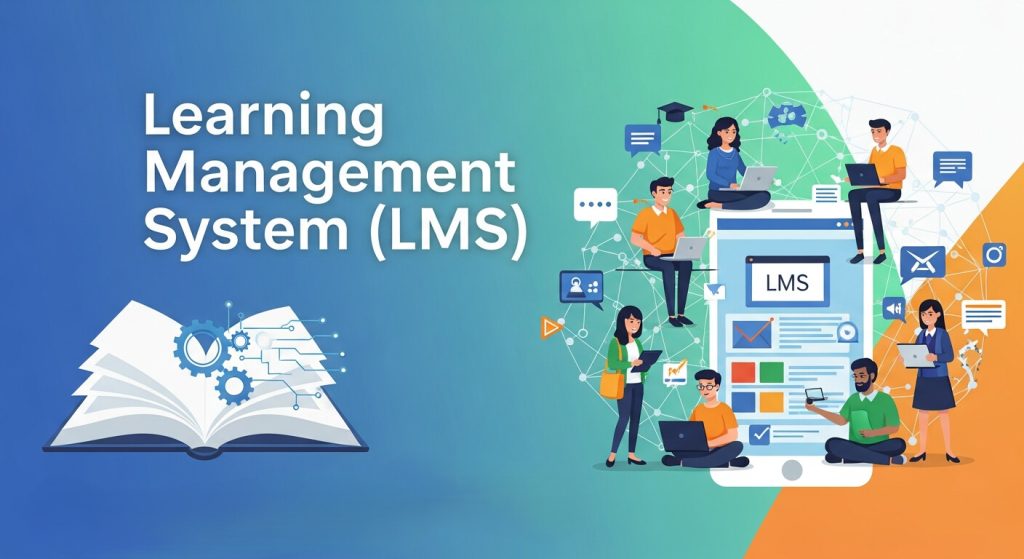
Choosing the right Learning Management System (LMS) Online Course platform is one of the most important decisions you’ll make as an online course creator. With countless LMS solutions available—each offering different features, pricing models, and integration capabilities—it’s easy to feel overwhelmed. The right LMS can simplify course creation, improve learner engagement, and deliver valuable insights into student performance.
In this comprehensive guide, you’ll learn exactly how to select the best Learning Management System (LMS) for your online course, so you can focus on what truly matters: delivering exceptional learning experiences.
Why the Right Learning Management System (LMS) Matters for an Online Course
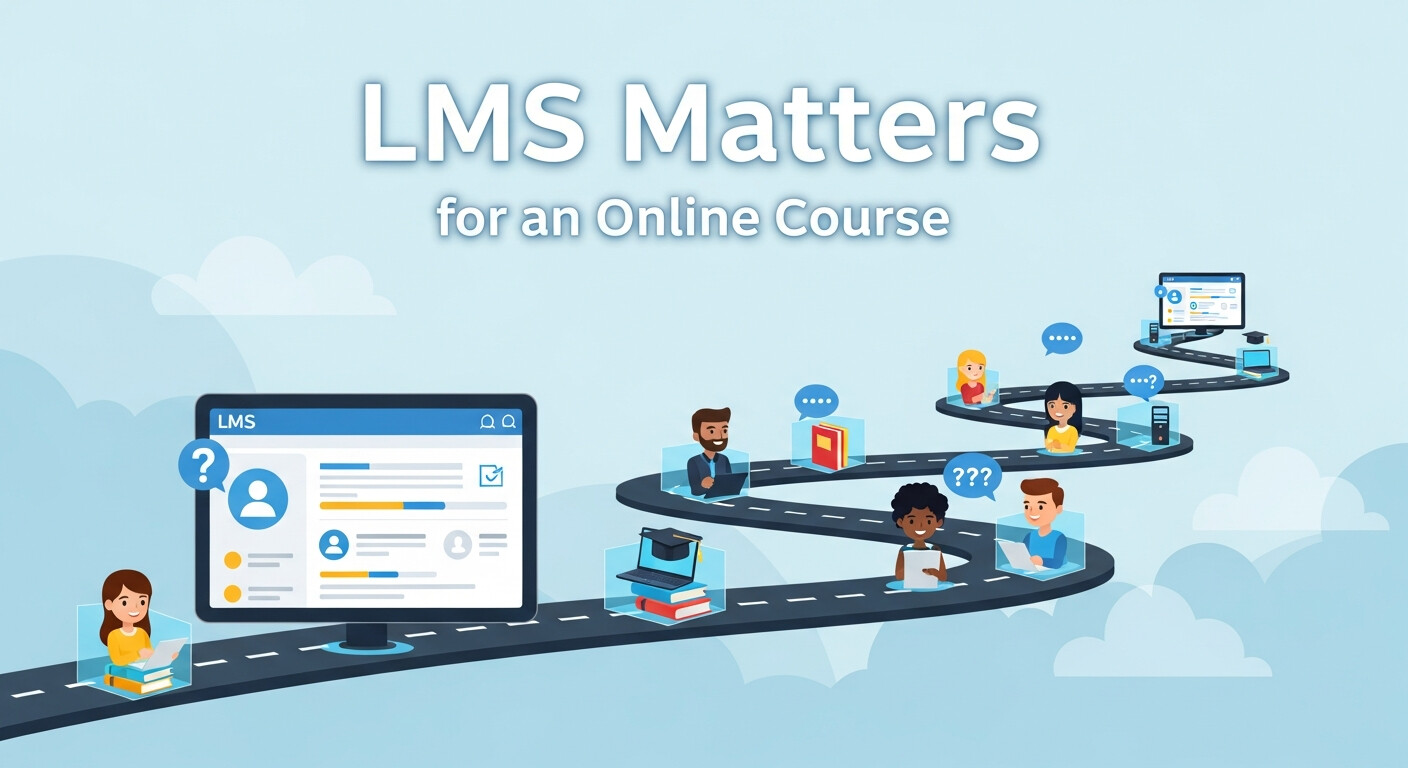
A Learning Management System (LMS) Online Course platform acts as your virtual classroom. It’s where learners access content, complete assignments, interact with peers, and monitor progress. A well-designed LMS ensures seamless navigation, consistent engagement, and a motivating learning environment.
For instructors and course creators, the right LMS reduces administrative workload by automating enrollments, content scheduling, assessments, and reporting. It should also integrate smoothly with your existing tools, such as email marketing platforms, payment gateways, and webinar software.
Ultimately, your LMS directly impacts learner satisfaction and brand credibility. A clunky or unreliable system frustrates students and damages your reputation. A feature-rich, user-friendly LMS, however, improves retention, encourages positive reviews, and supports long-term scalability for your online education business.
Learner Engagement Strategies Within an LMS
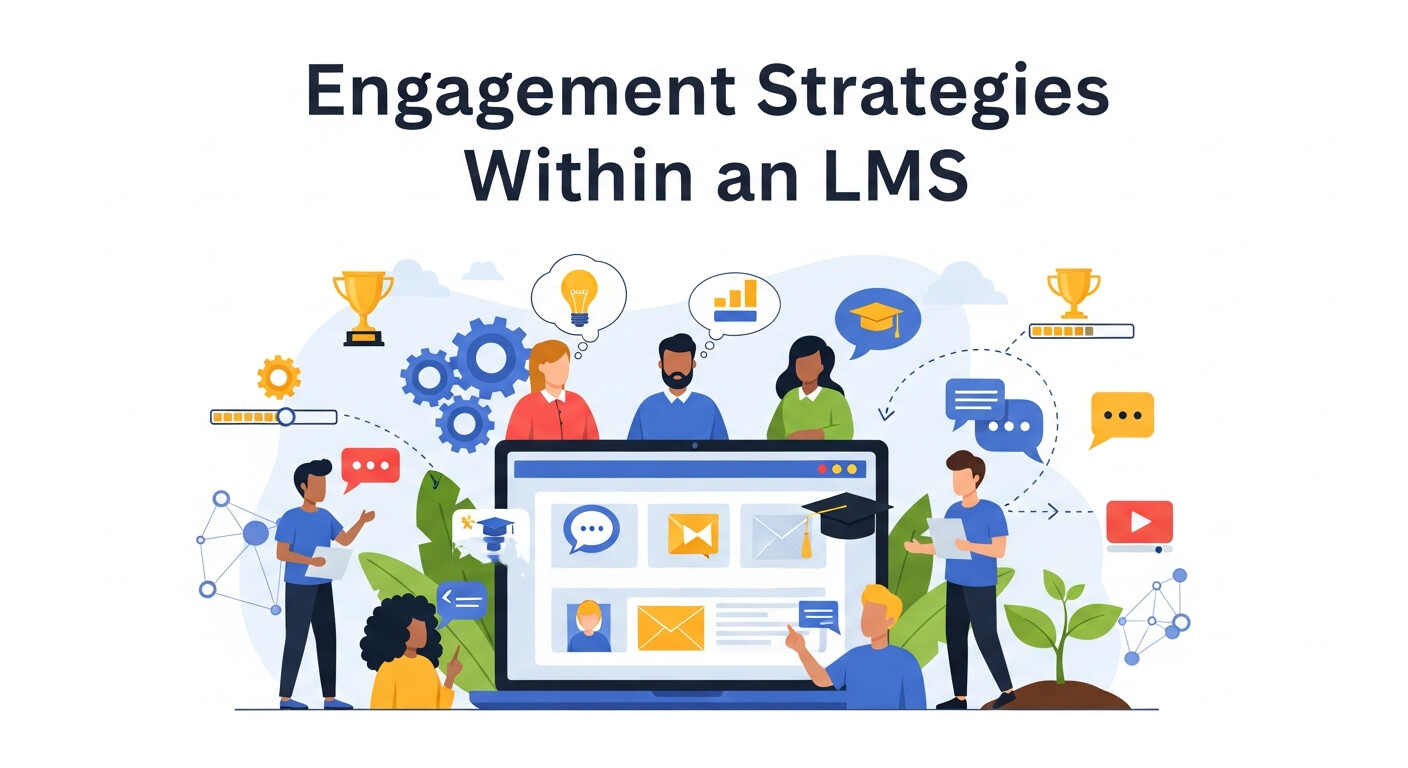
A strong Learning Management System (LMS) Online Course platform should actively support learner engagement, not just content delivery. Engagement-focused LMS features include gamification elements such as badges, progress bars, certificates, and leaderboards that motivate learners to stay consistent. Interactive learning tools—like quizzes, polls, simulations, and multimedia lessons—help prevent passive consumption of content. Discussion boards and peer collaboration features also play a key role by encouraging learners to share ideas and ask questions. When students feel involved rather than isolated, they are more likely to complete the course. An LMS that prioritizes engagement helps transform an online course into an immersive learning experience, increasing satisfaction, retention, and overall learning outcomes.
Instructor Experience and Course Management Efficiency
While learner experience is crucial, instructor experience is equally important when selecting a Learning Management System (LMS) Online Course solution. An efficient LMS should simplify everyday teaching tasks such as uploading content, updating lessons, managing enrollments, and grading assignments. Automation features—like scheduled content release, auto-grading quizzes, and performance reports—save instructors valuable time. A centralized dashboard that displays learner progress, messages, and alerts allows instructors to manage courses without switching between tools. When instructors spend less time on administration, they can focus more on improving course quality, interacting with learners, and refining teaching strategies, resulting in a better learning environment overall.
Scalability and Long-Term Growth Planning

Choosing an LMS is not just about current needs—it’s also about future growth. A scalable Learning Management System (LMS) Online Course platform can support increasing numbers of learners, additional courses, and advanced features without performance issues. As your audience grows, your LMS should handle higher traffic, more data, and expanded analytics without slowing down. Scalability also includes the ability to add new integrations, languages, instructors, or monetization models over time. Platforms that limit users, storage, or features can hinder long-term success. Selecting an LMS with growth in mind ensures your online course business can evolve smoothly without the need for costly migrations later.
Data Ownership, Privacy, and Compliance Considerations
Data management is a critical yet often overlooked aspect of a Learning Management System (LMS) Online Course. Course creators must consider who owns learner data, how it is stored, and how it is protected. A reliable LMS should clearly outline data ownership policies and comply with global privacy regulations such as GDPR. Features like access controls, encrypted data storage, and audit logs help safeguard sensitive information. Understanding where data is hosted and how backups are handled is also essential. Choosing an LMS that prioritizes privacy and compliance builds trust with learners and protects your business from legal and reputational risks.
Learning Management System (LMS) Pricing Models & Budget Considerations
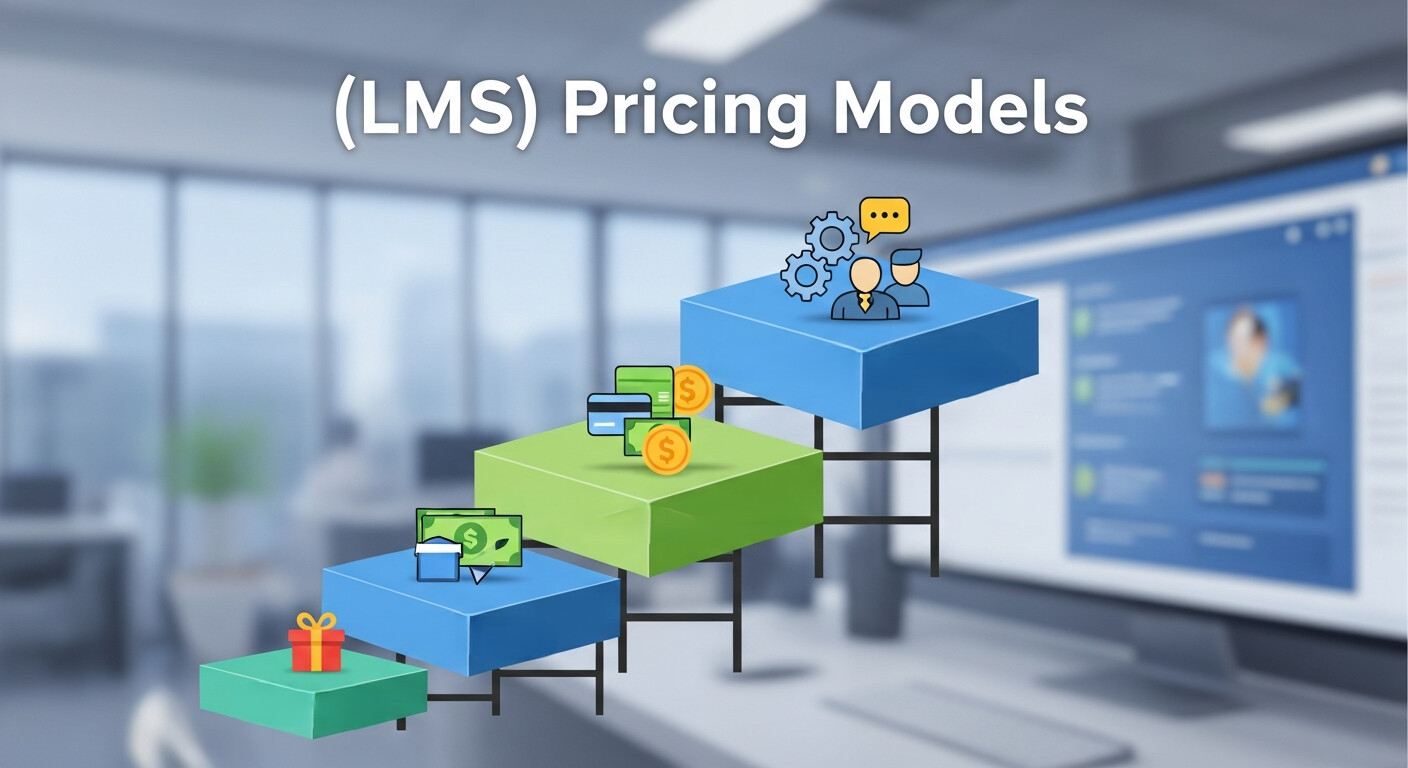
LMS pricing varies widely depending on functionality and deployment. Common pricing models include:
-
Freemium LMS: Free basic features with paid upgrades—ideal for testing.
-
Subscription-Based LMS: Monthly or annual plans based on users or features.
-
Pay-Per-Learner LMS: Costs scale with active student numbers.
-
One-Time License LMS: A single upfront payment, often with annual maintenance fees.
When calculating costs, consider setup fees, transaction charges, premium support, and scalability expenses. Always evaluate the total cost of ownership over 12–24 months to ensure long-term affordability.
Monetization and Revenue Optimization Through an LMS
For many creators, an LMS is not just an educational tool—it’s a business platform. A well-designed Learning Management System (LMS) Online Course should support multiple monetization options, such as one-time payments course, subscriptions, bundles, discounts, and coupons. Built-in checkout systems, tax handling, and payment gateway integrations simplify the sales process. Some LMS platforms also support upsells, affiliate programs, and marketing automation, helping maximize revenue per learner. The easier it is for learners to purchase and access courses, the higher the conversion rate. An LMS that aligns with your monetization strategy can significantly impact profitability and long-term sustainability.
Online Course Promotion
Promoting an online course effectively requires a clear strategy that combines visibility, trust, and value. Start by identifying your target audience and understanding where they spend most of their time online. Use content marketing—such as blog posts, short videos, and social media tips—to educate your audience and naturally introduce your course as a solution. Email marketing is another powerful tool; offering a free resource or demo lesson can help build an engaged subscriber list. Additionally, leverage testimonials, success stories, and limited-time offers to create trust and urgency. Consistent promotion across multiple channels ensures steady enrollments and long-term course growth.
Open-Source vs. SaaS Learning Management System (LMS) Online Course Solutions
Open-Source LMS
Open-source Learning Management System (LMS) platforms such as Moodle and Open edX provide a high level of flexibility and customization, making them a popular choice for universities, training organizations, and enterprises with specific learning requirements. Because the source code is openly available, organizations can modify features, design custom workflows, and integrate third-party tools to meet their exact needs—without paying licensing fees.
SaaS LMS
Cloud-based solutions such as Teachable, Thinkific, and LearnDash provide faster setup, automatic updates, and built-in support. While subscription costs may be higher, the reduced technical burden often makes SaaS LMS platforms ideal for growing course creators.
Hybrid solutions—such as managed hosting for open-source LMS platforms—can also provide flexibility while minimizing technical complexity.
YouTube Promote Online Course
YouTube is a powerful platform to YouTube promote online course effectively by reaching a wide and targeted audience. Creating valuable, informative videos related to your course topic helps build trust and authority over time. Tutorials, tips, and problem-solving videos attract learners who are already interested in your subject. Always include your course link in the video description and use clear calls-to-action within the video. Consistent uploads and optimized titles, descriptions, and thumbnails increase visibility and drive long-term enrollments.
Step-by-Step Process to Choose the Best Learning Management System (LMS) Online Course Platform
-
Define Your Course & Audience: Identify learning goals, content structure, and student demographics.
-
List Essential Features: Separate must-have features from optional enhancements.
-
Test Demos & Free Trials: Evaluate usability, performance, and mobile responsiveness.
-
Assess Scalability: Ensure the LMS can grow with your audience and course catalog.
-
Analyze Cost & ROI: Compare expenses against expected revenue and efficiency gains.
-
Gather Stakeholder Feedback: Involve instructors, designers, and pilot learners in decision-making.
Online Course on Social Media
Promoting an Online course on social media is an effective way to reach and engage your target audience. Platforms like Facebook, Instagram, LinkedIn, and X allow you to share valuable content, short videos, and success stories related to your course. Regular posting builds brand awareness and trust over time. Using reels, stories, and live sessions helps increase visibility and interaction. Always include clear calls-to-action and course links to guide interested users toward enrollment and boost conversions.
Implementation Tips for Your Learning Management System (LMS) Online Course
-
Pilot Your Course: Launch with a small group to identify issues.
-
Invest in Onboarding: Provide tutorials, guides, and FAQs.
-
Track Performance Metrics: Monitor engagement, completion rates, and support requests.
-
Host Live Q&A Sessions: Help learners adapt quickly.
-
Collect Ongoing Feedback: Continuously optimize your LMS setup.
-
Plan Regular Updates: Coordinate maintenance and feature rollouts.
Key Features to Look for in a Learning Management System (LMS) Online Course Platform
1. User-Friendly Interface
An intuitive dashboard is critical for both instructors and learners. Look for drag-and-drop course builders, clean navigation menus, and visually appealing layouts that reduce the learning curve.
2. Course Creation & Management Tools
A powerful LMS should support multiple content formats, including videos, PDFs, quizzes, and interactive modules. Features like drip scheduling, bulk uploads, and version control save time and improve content organization.
3. Communication & Collaboration
Discussion forums, live chat, group workspaces, and automated notifications help build a sense of community. Strong communication tools increase engagement and improve learning outcomes.
4. Assessment & Analytics
Built-in quizzes, assignments, grading workflows, and analytics dashboards allow you to track learner progress, completion rates, and engagement metrics—enabling data-driven course improvements.
5. Customization & Integrations
Branding options such as custom themes, logos, and domains help maintain consistency. API access and native integrations with tools like Zoom, Slack, and Mailchimp streamline your workflows.
6. Mobile Compatibility & Support
A modern Learning Management System (LMS) Online Course solution must be mobile-responsive or offer dedicated apps, ensuring learners can access content anytime, anywhere.
7. Security & Compliance
Security features such as SSL encryption, GDPR compliance, SSO, role-based access controls, and automated backups are essential for protecting sensitive data.
Conclusion
Selecting the right Learning Management System (LMS) Online Course solution is a strategic decision that impacts learner experience, brand perception, and business growth. By evaluating features, pricing models, scalability, and deployment options, you can confidently choose an LMS that aligns with your educational goals and budget. With the right system in place, you’ll streamline course management, empower learners, and build a sustainable online education business.
Frequently Asked Questions (FAQ)
What is a Learning Management System (LMS) Online Course?
A Learning Management System (LMS) Online Course is a digital platform used to create, manage, and deliver online learning content. It allows students to access course materials, submit assignments, interact with instructors, and track their learning progress in one place.
Why is an LMS important for online courses?
An LMS is essential because it streamlines course delivery, improves learner engagement, and automates administrative tasks such as enrollment, grading, and progress tracking. A reliable LMS enhances both the teaching and learning experience.
Which Learning Management System (LMS) Online Course platform is best?
The best LMS depends on your goals and technical capacity. Platforms like Teachable and Thinkific are ideal for beginners, while Moodle and Open edX are better suited for advanced or enterprise-level online education.
What is the difference between Open-Source LMS and SaaS LMS?
Open-source LMS platforms offer full customization but require technical expertise for hosting and maintenance. SaaS LMS platforms are cloud-based, easier to set up, and include hosting, updates, and support.
How much does a Learning Management System (LMS) Online Course cost?
LMS pricing ranges from free to premium subscriptions. Costs vary based on features, number of users, hosting type, and support level. Always consider the total cost of ownership before choosing a platform.
Is mobile compatibility important in an LMS?
Yes. A mobile-friendly LMS ensures learners can access course content anytime, anywhere, which significantly improves engagement and course completion rates.
Can an LMS integrate with payment and marketing tools?
Most modern LMS platforms integrate with popular payment gateways like PayPal and Stripe, as well as marketing tools such as Mailchimp, Zoom, and CRM systems.
Does using an LMS improve course completion rates?
Yes. A well-designed LMS improves learner motivation through progress tracking, reminders, assessments, and interactive features, leading to higher completion rates.
Which LMS is best for beginners?
Beginner-friendly LMS platforms include Teachable, Thinkific, Podia, and Kajabi, as they offer intuitive interfaces and require no coding skills.
What is the biggest mistake when choosing an LMS for an online course?
The most common mistake is choosing an LMS based solely on price. Factors such as usability, scalability, integrations, and long-term growth should also be considered.