Promotion in the Marketing Mix Explained: A Complete Guide
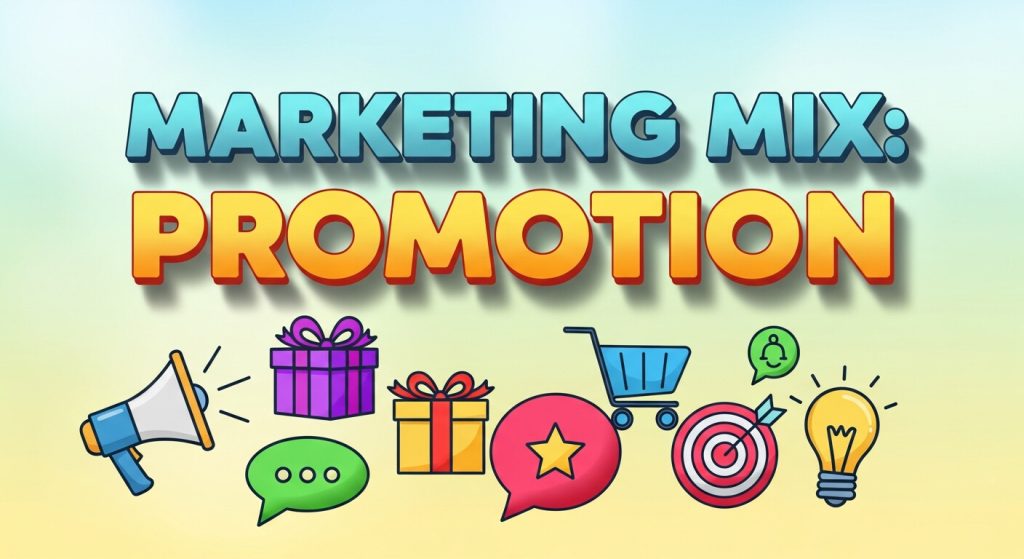
Marketing mix promotion is a powerful driver of brand visibility, engagement, and sales. By combining traditional methods with digital and AI-driven strategies, businesses can create effective, measurable, and future-ready promotional campaigns.
Marketing mix promotion plays a critical role in how businesses communicate value, attract customers, and drive sales. It represents the communication element of the traditional 4Ps, focusing on how brands inform, persuade, and remind audiences about their offerings. In today’s competitive digital landscape, marketing mix promotion combines traditional methods with data-driven and AI-powered strategies to maximize reach, engagement, and conversion across multiple channels.
What Is Marketing Mix Promotion?
Marketing mix promotion refers to the promotional activities a business uses to communicate with its target audience. It includes advertising, public relations, sales promotion, direct marketing, and personal selling. The goal of marketing mix promotion is to influence customer perception and buying decisions by sharing the right message at the right time. Effective promotion explains product benefits, reinforces brand positioning, and supports pricing strategies. In modern marketing, marketing mix promotion goes beyond traditional advertising and includes digital platforms, social media, and AI-powered personalization. When aligned with product, price, and place, promotion strengthens visibility and helps build long-term customer trust and engagement.
Importance of Promotion in the Marketing Mix
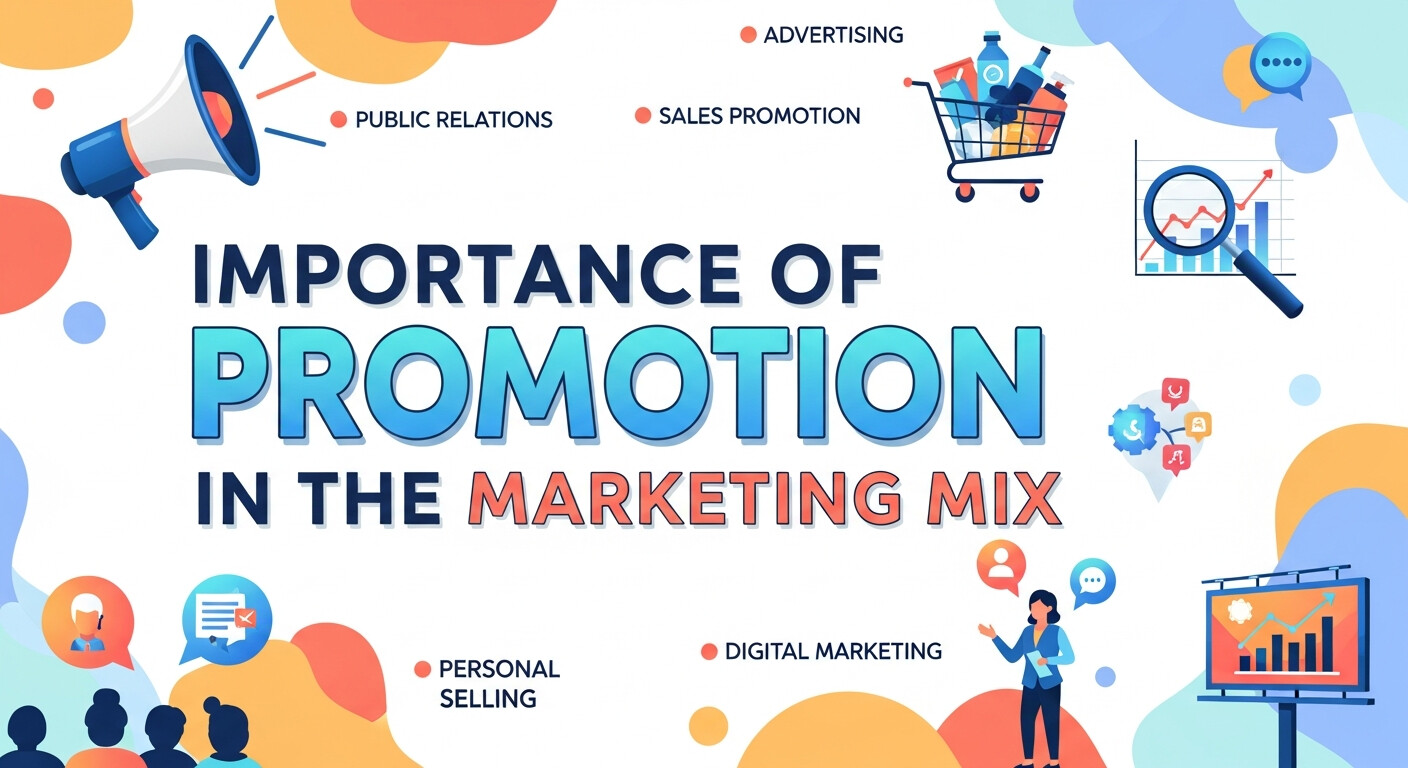
Marketing mix promotion is important because even high-quality products can fail without effective communication. Promotion creates awareness, educates potential customers, and differentiates brands in competitive markets. Through consistent messaging, marketing mix promotion builds credibility and trust while supporting sales growth. It also guides customers through the buying journey, from awareness to final decision. Strong promotional strategies help businesses remain visible and relevant over time. With digital analytics and performance tracking, marketing mix promotion has become more measurable, allowing marketers to improve campaigns using real customer data and behavioral insights.
Key Elements of Marketing Mix Promotion
The key elements of marketing mix promotion include advertising, sales promotion, public relations, personal selling, and direct marketing. Advertising delivers messages through paid media, while sales promotions encourage quick action using discounts or limited offers. Public relations focus on reputation and brand image, and personal selling builds direct customer relationships. Direct marketing enables personalized communication through email, SMS, and digital platforms. When these elements work together, marketing mix promotion balances short-term sales goals with long-term brand development, creating consistent and effective communication across multiple channels.
Traditional vs Digital Marketing Mix Promotion
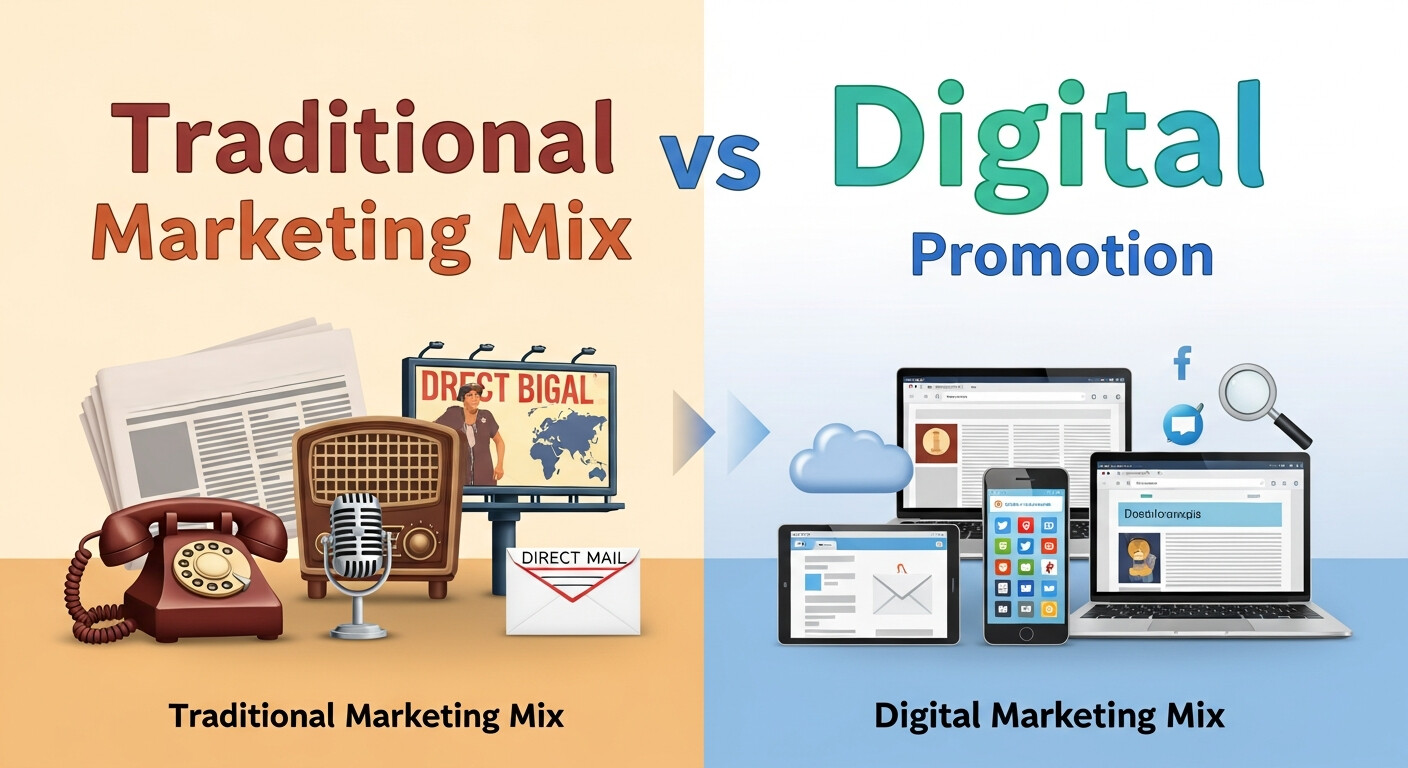
Traditional marketing mix promotion relies on television, radio, print, and outdoor advertising to reach mass audiences. These channels are effective for broad awareness but offer limited targeting. Digital marketing mix promotion uses online channels such as search engines, social media, email, and content marketing. Digital promotion allows real-time tracking, precise targeting, and better cost control. Most successful brands now combine both methods, using traditional media for reach and digital tools for engagement. This blended marketing mix promotion approach ensures message consistency while maximizing return on marketing investment.
Role of AI in Marketing Mix Promotion
Artificial intelligence is reshaping marketing mix promotion by improving targeting, automation, and personalization. AI tools analyze customer data to predict behavior, optimize ad placement, and recommend content. This supports Marketing Campaigns Smarter Using AI Tools by enabling real-time adjustments and better decision-making. AI-powered chatbots, email automation, and predictive analytics improve customer experience while reducing manual work. By using AI within marketing mix promotion, businesses can deliver relevant messages at scale, increase engagement, and improve conversion rates across digital platforms.
Consistency and Brand Voice in Promotion
Consistency is a key factor in successful marketing mix promotion. Maintaining a clear brand voice strategy across all channels helps audiences recognize and trust the brand. Inconsistent messaging can confuse customers and weaken credibility. A unified tone, style, and message ensure promotional efforts feel connected and professional. Consistent marketing mix promotion reinforces brand identity, supports recall, and strengthens emotional connection. Over time, this consistency builds reliability and positions the brand as trustworthy in the minds of consumers.
Marketing Mix Promotion for Course Marketing
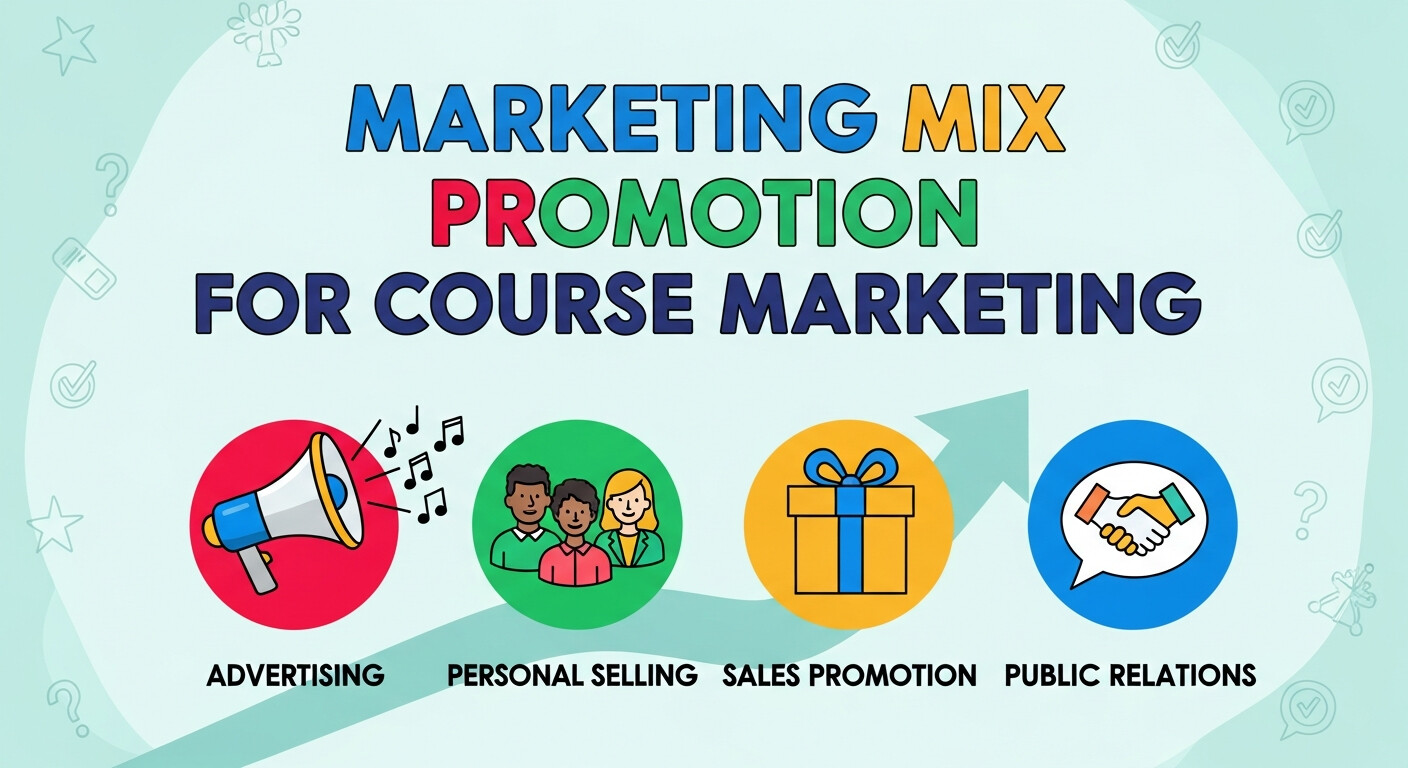
Marketing mix promotion plays a vital role in promoting online and professional courses. AI Transforms Course Marketing by enabling personalized recommendations, automated follow-ups, and performance tracking. Common promotional tactics include content marketing, free webinars, testimonials, and trial lessons. Platforms such as LinkedIn Marketing to Sell Professional Courses help reach professionals based on industry, skills, and job roles. A clear marketing mix promotion strategy helps educators communicate value, build credibility, and convert interested learners into enrolled students effectively.
Integrated Marketing Communication Strategy
Integrated marketing communication ensures all marketing mix promotion efforts deliver a consistent message across channels. It aligns advertising, digital marketing, public relations, and sales promotion under one unified strategy. Consistency strengthens brand identity and improves customer recall across touchpoints. With data insights, marketers can coordinate messages while adjusting formats for each platform. This approach is especially effective for educational brands using LinkedIn Marketing to Sell Professional Courses, where consistent messaging builds authority and trust. An integrated strategy reduces confusion, increases credibility, and improves campaign efficiency by creating a seamless and unified brand experience for customers.
Budget Planning for Marketing Mix Promotion
Proper budget planning is critical for effective marketing mix promotion. Businesses must allocate resources wisely across advertising, digital platforms, and promotional tools to maximize return on investment. A clear budget helps prioritize high-performing channels while avoiding unnecessary spending. Data analysis and past campaign results guide smarter budget decisions. Strategic budget management ensures marketing mix promotion remains cost-effective, measurable, and aligned with business goals. With controlled spending, companies can maintain consistent promotion without sacrificing quality or impact.
Choosing the Right Channels for Marketing Mix Promotion
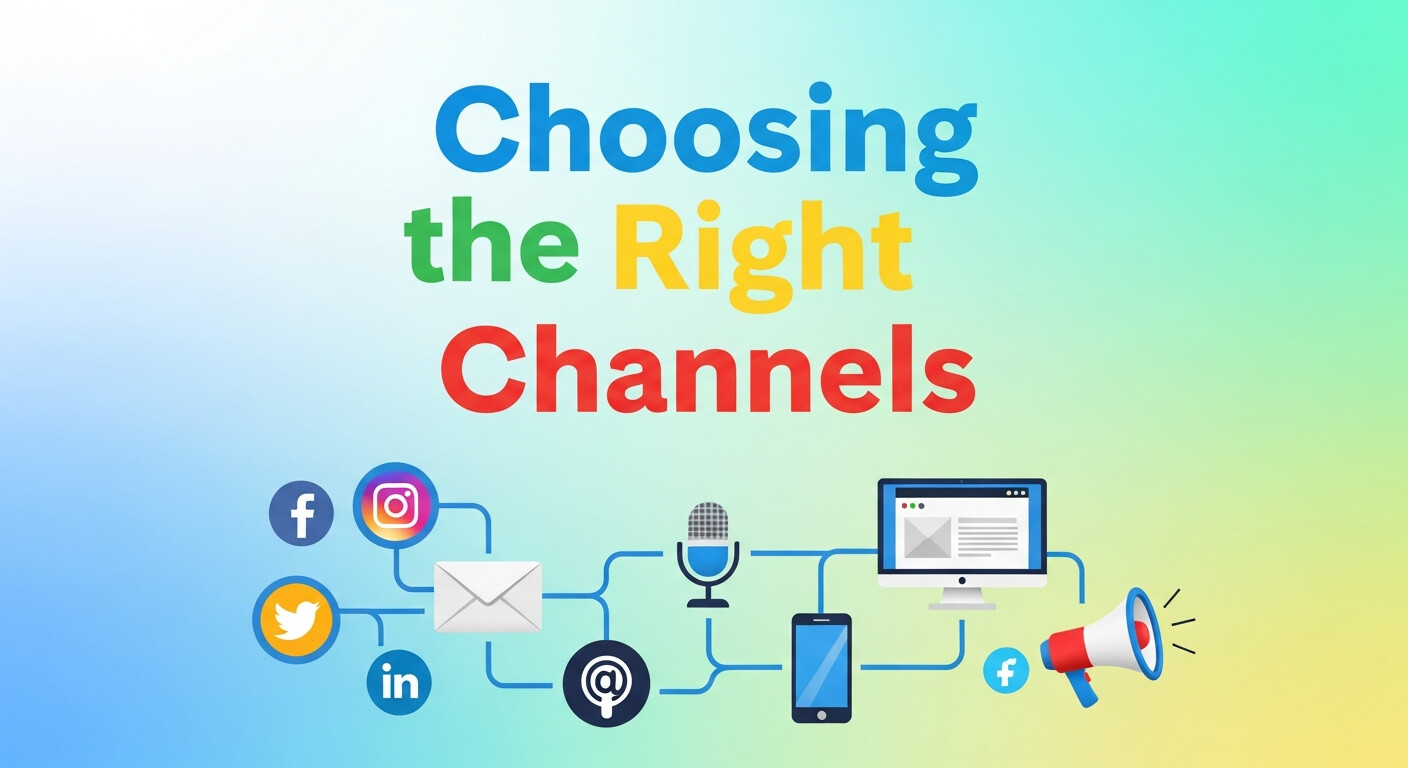
Selecting the right channels is essential for successful marketing mix promotion because each platform attracts and engages audiences differently. A data-driven and goal-focused approach helps businesses choose channels that align with customer behavior, budget, and campaign objectives. Digital platforms such as social media, email, and search marketing allow precise targeting and measurable results, while traditional channels support broader awareness. By balancing reach, cost, and engagement, businesses can avoid wasted spending and improve performance. An effective channel strategy ensures consistent messaging, stronger audience connection, and higher conversion rates across all stages of the marketing journey.
Common promotional channels include:
- Social media platforms and paid ads
- Email and direct marketing
- Search engine and content marketing
- Events, webinars, and partnerships
- Traditional media such as print or TV
| Channel Type | Best Use Case |
| Social media | Engagement and targeting |
| Lead nurturing | |
| Search marketing | High-intent audiences |
Measuring the Effectiveness of Promotion
Measuring promotional effectiveness helps businesses improve performance and manage marketing budgets wisely. Key metrics such as reach, engagement, conversion rates, cost per acquisition, and return on investment provide clear insights into campaign success. Digital tools offer real-time data, allowing continuous testing, adjustment, and optimization. AI-powered analytics further enhance decision-making by identifying patterns, predicting outcomes, and highlighting high-performing channels. Regular performance tracking enables companies to refine strategies, reduce wasted spending, and improve results over time. A data-driven measurement approach ensures promotional activities remain efficient, relevant, and closely aligned with overall business objectives.
Customer-Centric Approach in Marketing Mix Promotion
A customer-centric approach strengthens marketing mix promotion by focusing on audience needs, preferences, and behaviors. Instead of pushing generic messages, businesses design promotional content that solves problems and adds value. This approach improves engagement, builds trust, and increases conversion rates. By using customer data, feedback, and analytics, marketers can personalize messages across channels. Customer-focused marketing mix promotion also supports long-term relationships, encouraging loyalty and repeat purchases. When customers feel understood and valued, promotional efforts become more effective and sustainable in competitive markets.
Benefits of an Effective Marketing Mix Promotion Strategy
An effective marketing mix promotion strategy helps businesses communicate their value clearly and consistently across all channels. It ensures promotional messages align with customer needs, preferences, and expectations while supporting both sales and branding objectives. When promotion is planned strategically, businesses can build stronger brand recognition, increase customer trust, and encourage engagement. A well-structured marketing mix promotion approach also improves short-term results such as leads and conversions, while contributing to long-term growth through loyalty and repeat purchases. By integrating data-driven insights and consistent messaging, companies can maximize impact and achieve sustainable marketing success.
Key benefits include:
- Stronger brand awareness and recognition
- Better customer engagement and trust
- Higher conversion rates and sales performance
- Improved use of marketing budgets
- Clear and consistent messaging across channels
| Benefit | Business Impact |
|---|---|
| Brand awareness | Increased visibility and recall |
| Customer trust | Stronger loyalty and credibility |
| Sales growth | Higher lead conversion |
Future Trends in Marketing Mix Promotion
The future of marketing mix promotion centers on automation, personalization, and seamless omnichannel experiences. Technologies such as AI, machine learning, and predictive analytics will continue to influence how brands plan and execute promotional strategies. Interactive content, voice search, and immersive digital experiences are expected to gain wider adoption as consumer behavior evolves. As expectations increase, marketing mix promotion must focus more on delivering value and relevance rather than generic messaging. Brands that embrace data-driven insights and customer-focused innovation will strengthen relationships, enhance loyalty, and achieve sustainable growth in an increasingly competitive digital marketplace.
Conclusion
Marketing mix promotion remains one of the most influential elements of a successful marketing strategy. It connects products and services with the right audience through clear, consistent, and value-driven communication. By combining traditional promotional methods with digital channels and AI-powered tools, businesses can create more targeted and measurable campaigns. A strong marketing mix promotion strategy improves brand awareness, builds trust, and drives conversions across competitive markets. As technology and customer expectations continue to evolve, brands that invest in data-driven, integrated, and customer-focused promotion will achieve sustainable growth and long-term success.
Frequently Asked Questions (FAQs)
1. What does promotion mean in marketing?
Promotion refers to the methods businesses use to communicate with customers, including advertising, public relations, sales offers, direct outreach, and personal selling to influence awareness and demand.
2. Why is promotion important for businesses?
Promotion helps brands reach the right audience, build trust, and influence purchasing decisions. Without it, products or services may remain unnoticed, regardless of quality.
3. What are the main promotional tools?
Common tools include advertising, sales incentives, public relations, personal selling, and digital outreach such as email and social media marketing.
4. How is promotion different from advertising?
Advertising is only one method of promotion. Promotion also includes relationship-building activities, discounts, public relations, and direct communication with customers.
5. How has digital marketing changed promotion?
Digital platforms allow precise targeting, real-time performance tracking, and personalized communication, making promotional efforts more efficient and cost-effective.
6. What role does artificial intelligence play in promotion?
Artificial intelligence improves targeting, automates campaigns, analyzes customer behavior, and enhances personalization, helping marketers make smarter decisions.
7. How does promotion help sell online courses?
Promotion supports course sales through content marketing, email nurturing, webinars, and professional networking platforms that reach the right learners.
8. Can small businesses use promotion effectively?
Yes, small businesses can compete by focusing on affordable digital channels, targeted messaging, and data-driven strategies instead of large advertising budgets.
9. How is promotional success measured?
Performance is measured through engagement, conversions, return on investment, and customer acquisition metrics using analytics tools.
10. What is integrated marketing communication?
It is a strategy that ensures all marketing messages remain consistent across channels, improving clarity, trust, and brand recognition.
11. What are common promotional mistakes?
Frequent mistakes include unclear messaging, weak targeting, ignoring performance data, and depending on only one communication channel.
12. What are future trends in promotion?
Future trends focus on automation, personalization, omnichannel communication, interactive content, and data-driven customer experiences.
13. How often should promotional strategies be updated?
Promotional strategies should be reviewed regularly to match changing customer behavior, market trends, and platform updates. Businesses often update campaigns quarterly or after analyzing performance data to improve results.
14. Which platforms are best for modern promotional efforts?
The best platforms depend on the target audience and goals. Social media, search engines, email marketing, and professional networks are commonly used for engagement, lead generation, and brand visibility.
15. How can businesses stay competitive with changing promotion trends?
Businesses can stay competitive by continuously analyzing customer behavior, adopting new digital tools, testing emerging platforms, and using data insights to refine their promotional strategies.