Building a Thriving Community to Boost Online Course Engagement & Sales
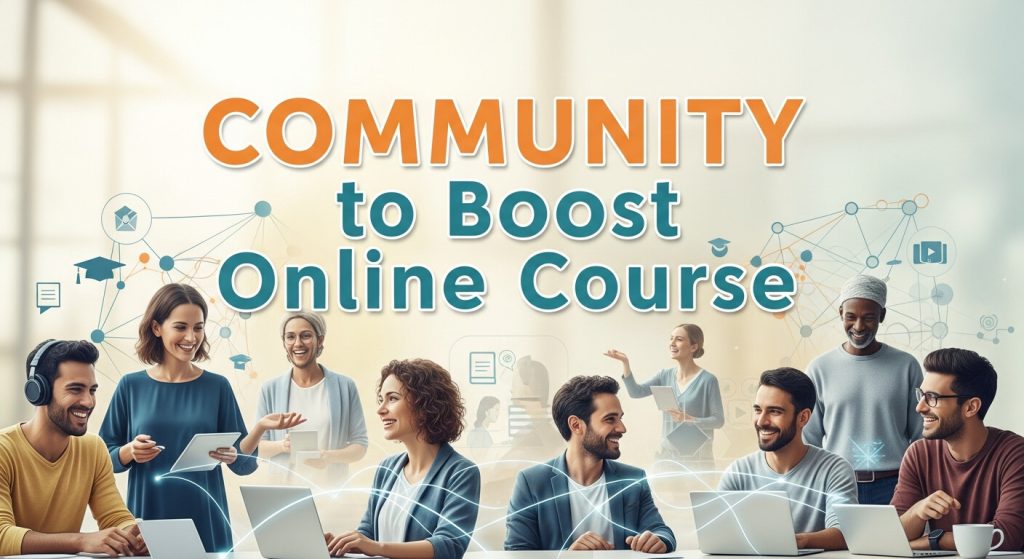
In today’s competitive e-learning landscape, simply creating a high-quality Online Course isn’t enough to ensure long-term success. To truly stand out, attract loyal learners, and increase course sales, you need a vibrant and supportive community around your Online Course. A well-nurtured community boosts student engagement, improves retention, and turns learners into brand advocates. In this step-by-step guide, you’ll discover proven strategies to build, grow, and sustain an Online Course community that fuels learning outcomes and business growth.
Online Course Community
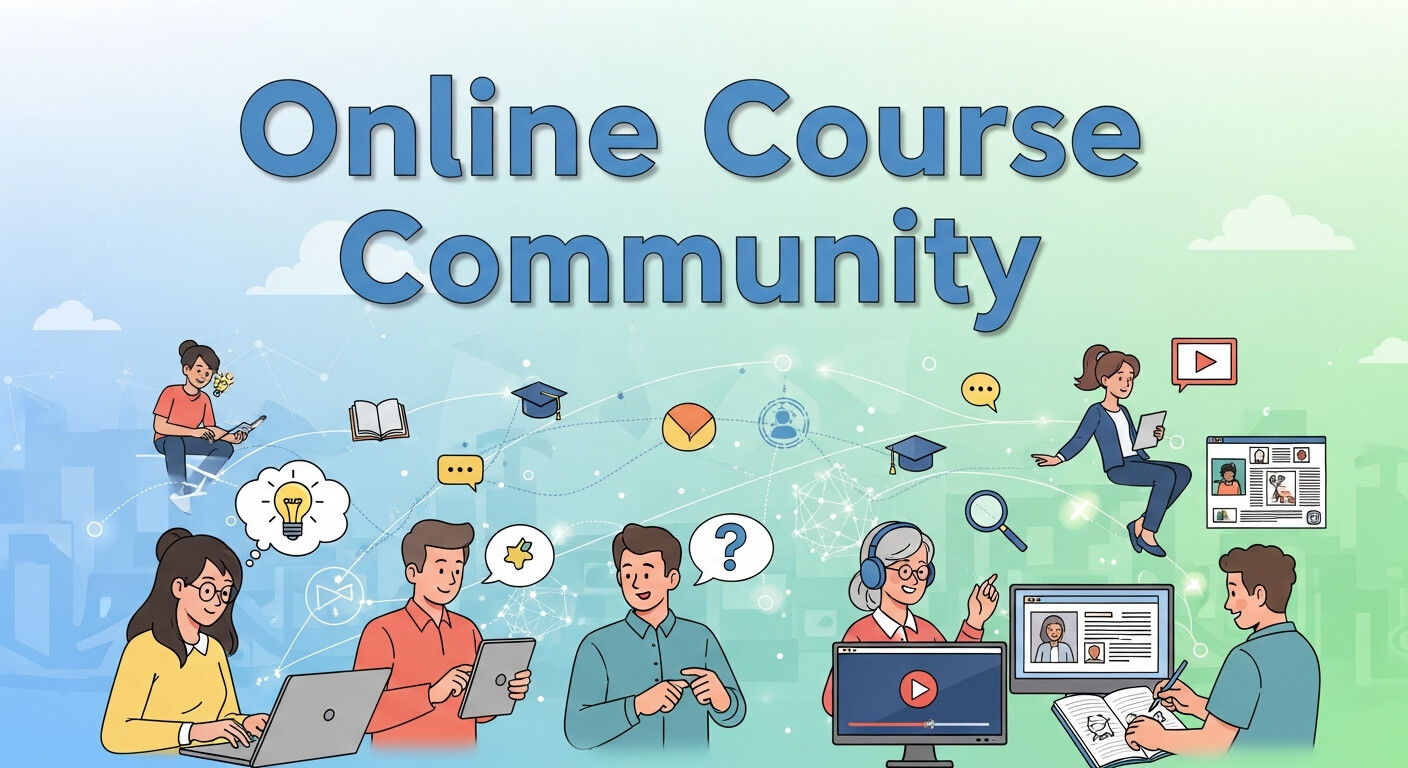
An Online Course Community is a dedicated space where learners, instructors, and mentors come together to connect, collaborate, and grow beyond the course content. It encourages meaningful discussions, peer-to-peer learning, and continuous support throughout the learning journey. By participating in an Online Course Community, students feel more motivated, confident, and accountable, which leads to higher engagement and better course completion rates. For course creators, a strong community builds trust, provides valuable feedback, and creates long-term relationships with learners. It also helps transform one-time students into loyal members who actively share their experiences and recommend the course to others, driving organic growth and sustainable success.
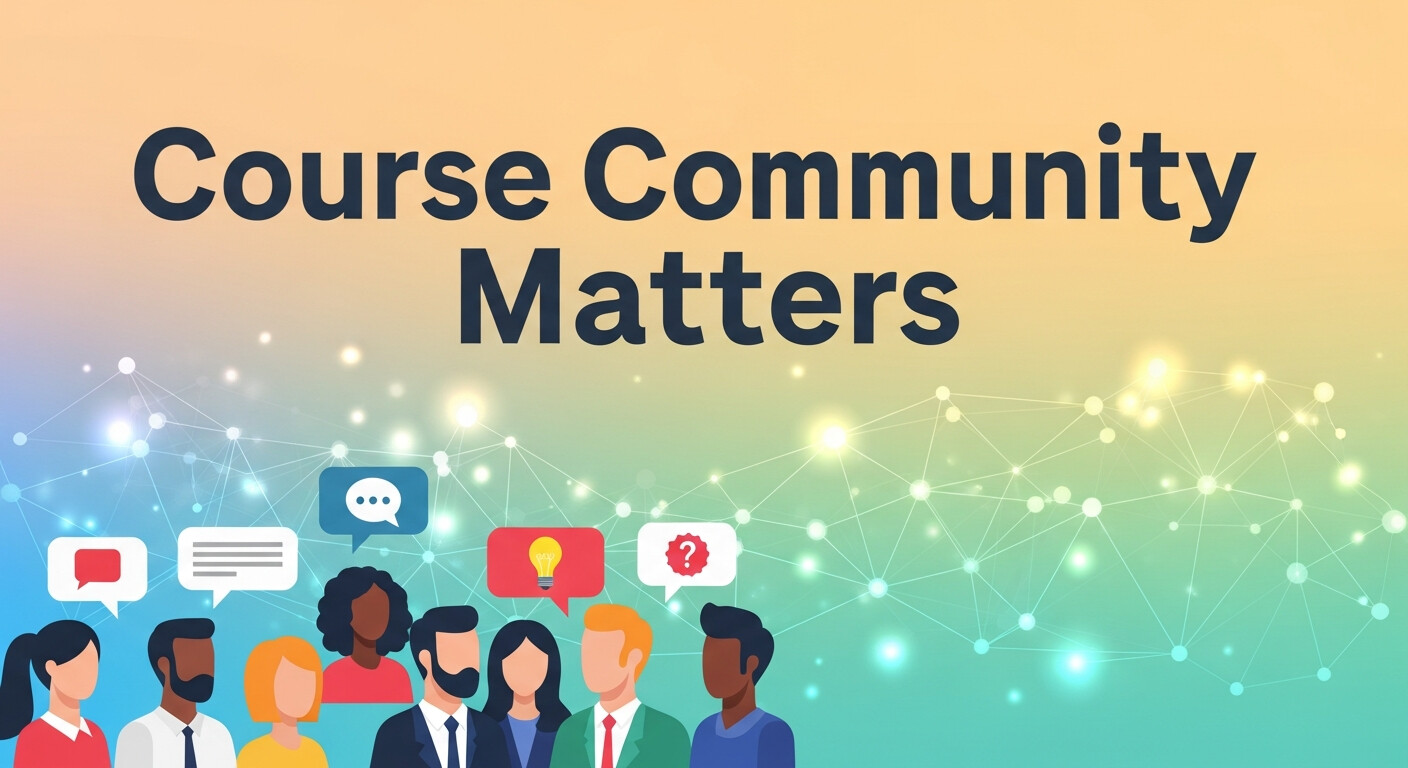
Choosing the Right Platform for Your Online Course Community

The platform you choose impacts user experience, scalability, and engagement. Popular Online Course community options include:
-
Facebook Groups – Familiar, mobile-friendly, and suitable for large Online Course audiences
-
Discord or Slack – Real-time chat, structured channels, ideal for tech-savvy Online Course learning
-
Forum Software (Discourse, Vanilla) – Organized discussions and strong search functionality
-
Built-in LMS Communities – Native features within platforms like Teachable or Kajabi
- Custom Website Integration – Full branding control for premium Online Course brands
Building a Sense of Belonging in Your Online Course Community
A successful Online Course Community is built on a strong sense of belonging. When learners feel that they are part of something meaningful, they become more emotionally invested in the learning process. This sense of belonging encourages students to show up consistently, participate in discussions, and support one another. Simple actions such as personalized welcome messages, encouraging introductions, and acknowledging member contributions can make learners feel valued. Over time, this emotional connection increases trust and loyalty toward your Online Course brand. Students are more likely to complete lessons, share honest feedback, and remain active long after the course ends, turning your community into a long-term asset.
Setting Clear Guidelines for Your Online Course Community
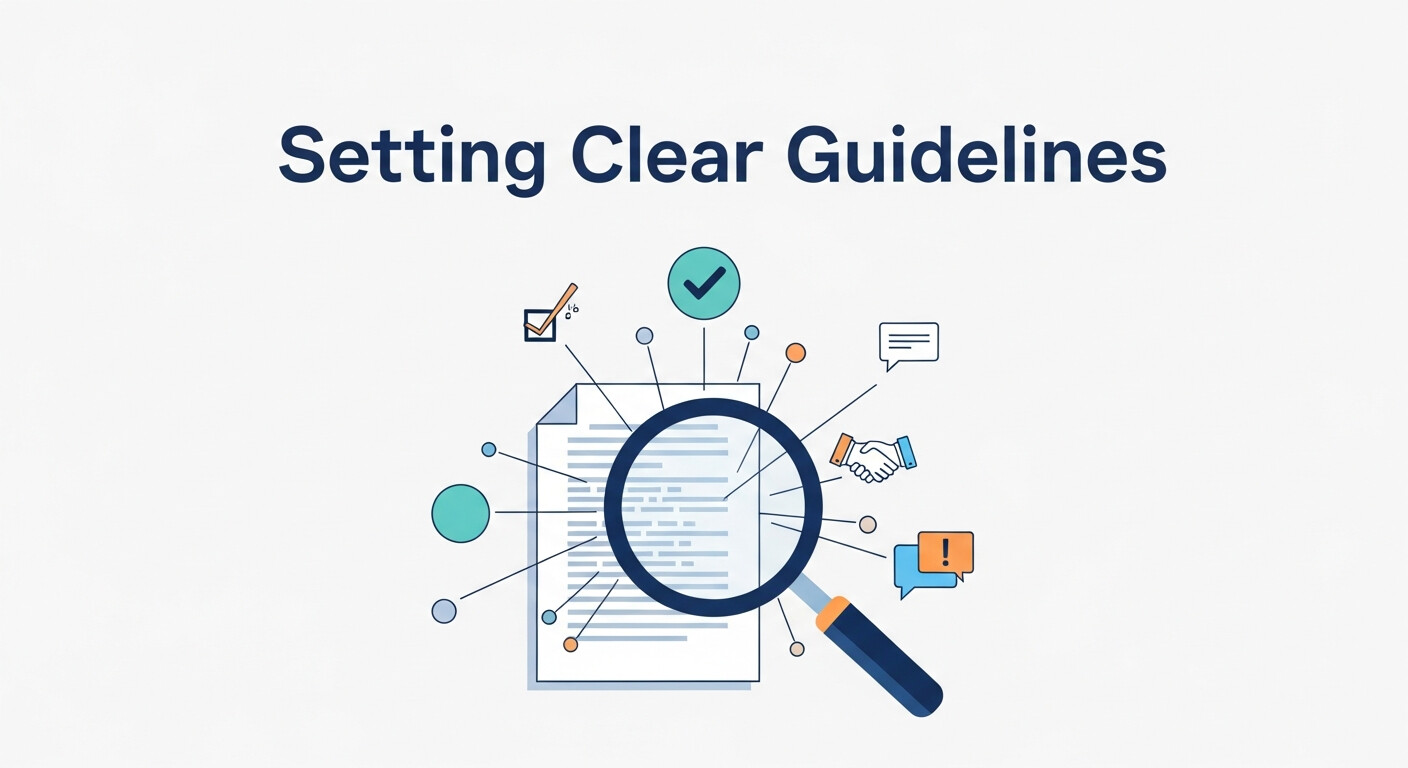
Clear community guidelines help create a safe and productive environment:
-
Respectful Communication – No harassment or personal attacks
-
Relevant Topics – Discussions should support Online Course learning goals
-
Spam & Promotions – Define rules for self-promotion and affiliate links
-
Privacy & Confidentiality – Protect member data and shared experiences
-
Moderation Process – Explain enforcement actions and consequences
Launching Your Online Course Community: Step-by-Step
A strategic launch builds early momentum and engagement:
-
Pre-Launch Teasers – Announce an exclusive Online Course community via email or social media
-
Soft Opening – Invite beta students to spark initial conversations
-
Official Launch Event – Host a live Q&A, workshop, or challenge
-
Welcome Toolkit – Provide orientation guides, FAQs, and icebreakers
-
Ongoing Promotion – Highlight community benefits on your Online Course sales page
Engagement Strategies to Grow Your Online Course Community
Keep your Online Course community active with consistent interaction:
-
Weekly discussion prompts
-
Live office hours with instructors
-
Student success spotlights
-
Mini-challenges tied to course lessons
-
Exclusive resource libraries
Moderation Best Practices for Online Course Communities
Healthy Online Course communities require proactive moderation:
-
Appoint trusted moderators
-
Use automation to flag spam
-
Respond to issues within 24 hours
-
Reinforce positive contributions
-
Regularly review and update guidelines
Integrating Community With Your Online Course Platform
Seamless integration improves the learner journey:
-
Single Sign-On (SSO) access
-
Progress-based badges and rewards
-
Automated community invites
-
Embedded discussion widgets inside lessons
Measuring Online Course Community Success
Track these metrics to optimize performance:
-
Weekly active community members
-
Post and comment volume
-
Online Course completion rates
-
Referral-driven enrollments
-
Member satisfaction and NPS scores
Creating Long-Term Value Beyond the Online Course Content
An Online Course Community should deliver value beyond videos and lessons. Continuous learning opportunities such as bonus discussions, expert guest sessions, and industry updates help keep the community relevant even after course completion. This long-term value encourages learners to stay engaged and view the community as an ongoing resource rather than a temporary add-on. When students continue gaining insights and networking opportunities, they are more likely to remain loyal to your brand. Over time, this transforms your Online Course from a one-time purchase into a long-term learning ecosystem that supports career growth and skill development.
Engagement in Online Courses
Building a Sense of Belonging in Your Online Course Community
A successful Online Course Community is built on a strong sense of belonging. When learners feel that they are part of something meaningful, they become more emotionally invested in the learning process. This sense of belonging encourages students to show up consistently, participate in discussions, and support one another. Simple actions such as personalized welcome messages, encouraging introductions, and acknowledging member contributions can make learners feel valued. Over time, this emotional connection increases trust and loyalty toward your Online Course brand. Students are more likely to complete lessons, share honest feedback, and remain active long after the course ends, turning your community into a long-term asset.
Personalization in Online Course Communities
Personalization plays a key role in improving engagement and satisfaction within an Online Course Community. When learners receive content, discussions, and recommendations tailored to their interests and progress, they feel more connected to the learning experience. Personalized learning paths, targeted discussion groups, and customized feedback help address individual challenges and goals. This approach not only increases participation but also builds confidence and motivation among students. By focusing on personalization, course creators can create a more inclusive and effective learning environment that supports diverse learning styles and encourages long-term involvement in the community.
Scaling Your Online Course Community Without Losing Quality
As your Online Course Community grows, maintaining quality becomes increasingly important. Scaling successfully requires clear systems, documentation, and shared leadership. Creating onboarding guides, training moderators, and setting clear expectations helps preserve community culture as new members join. Automation tools can support growth by managing welcomes, reminders, and moderation tasks. At the same time, listening to member feedback ensures that growth does not compromise engagement. A well-scaled Online Course Community continues to feel personal, supportive, and valuable, even as membership increases, ensuring sustainable long-term success.
Case Study: Turning an Online Course Into a Loyal Community
“LearnGrowth Academy” provides a powerful example of how an Online Course Community can transform student engagement and business results. After noticing low interaction and inconsistent course completion rates, the team decided to launch a private Slack community exclusively for Online Course students.
The community was structured around dedicated channels for course modules, peer support, weekly discussions, and direct instructor access. LearnGrowth Academy also introduced live office hours, themed discussion weeks, and automated welcome messages to help new members get started quickly. These small but consistent engagement strategies encouraged students to participate regularly and support one another.
Within just three months, community engagement increased by 70%, while Online Course completion rates jumped from 45% to 82%. Even more impressive, student-driven referrals generated 30% of all new sales, proving that a well-managed Online Course community not only improves learning outcomes but also drives sustainable business growth.
Using Gamification to Increase Online Course Community Engagement
Gamification is a powerful way to increase participation in an Online Course Community. Elements like points, badges, leaderboards, and challenges create excitement and motivate learners to take action. When students are rewarded for completing tasks, helping others, or sharing progress, engagement naturally increases. Gamification also makes learning more interactive and enjoyable, especially for learners who thrive on recognition. When implemented thoughtfully, these techniques encourage healthy competition while reinforcing positive behaviors. As a result, your Online Course Community becomes more active, fun, and results-driven without feeling forced or overwhelming.
Read more about this topic: Level Up Your Online Course with Gamification
Conclusion: Build, Engage, and Scale Your Online Course
Building a thriving Online Course community is not a one-time task—it is a long-term strategy that directly impacts student success, brand trust, and business growth. A well-managed community creates meaningful connections, supports learners at every stage, and transforms passive students into active participants. By choosing the right platform, setting clear guidelines, and consistently encouraging engagement, you lay a strong foundation for sustainable growth.
When you track performance metrics and listen to community feedback, you can continuously refine both your Online Course and the community experience. Over time, this ecosystem becomes self-sustaining, driving higher completion rates, stronger loyalty, and increased referrals. Start building your Online Course community today, and turn learners into lifelong advocates who grow alongside your brand.
Frequently Asked Questions (FAQ)
What is an Online Course community?
An Online Course community is a dedicated space where learners interact with instructors and peers to discuss lessons, share progress, ask questions, and support each other throughout the learning journey.
Why is a community important for an Online Course?
A community increases engagement, improves Online Course completion rates, builds trust, and encourages referrals. Students who feel connected are more likely to stay enrolled and recommend the course to others.
What is the best platform for an Online Course community?
The best platform depends on your audience and goals. Facebook Groups work well for large audiences, Discord or Slack suit tech-savvy learners, and built-in LMS communities offer seamless Online Course integration.
How do I keep my Online Course community active?
You can maintain activity by posting weekly discussion prompts, hosting live office hours, running mini-challenges, spotlighting student wins, and sharing exclusive Online Course resources.
Can an Online Course community increase sales?
Yes. A strong Online Course community builds social proof, encourages word-of-mouth referrals, and creates opportunities to upsell advanced courses, coaching, and premium programs.
Should access to an Online Course community be free or paid?
Many creators include community access with the Online Course to increase value, while others offer it as a paid upgrade or membership for deeper engagement and ongoing support.
How do I moderate an Online Course community effectively?
Effective moderation includes setting clear guidelines, responding quickly to issues, using automation tools, and empowering trusted members to help maintain a positive Online Course environment.
How do I measure the success of my Online Course community?
Key metrics include active members, post engagement, Online Course completion rates, referral conversions, and member satisfaction scores such as NPS.