How to Understand Your Ideal Target Audience as an Online Course Creator

Understanding your Online Course Audience is key to creating relevant, engaging, and successful courses. Research, segment, and engage your learners to ensure your content resonates, builds loyalty, and drives long-term course growth.
Understanding your Online Course Audience is essential for creating courses that truly resonate. Knowing who your learners are, their goals, challenges, and preferences ensures your content connects deeply. By focusing on your audience, you can design courses that not only attract the right students but also keep them engaged and motivated throughout the learning journey.
Defining Your Ideal Online Course Audience
Before creating content, clearly defining your Online Course Audience is crucial. Identify key demographics such as age, profession, education level, and learning goals. Understanding their pain points, motivations, and expectations will help tailor your content to their needs. Consider conducting surveys, polls, or interviews to collect firsthand insights. The more precise your audience definition, the better your course will perform. A well-defined Online Course Audience ensures your marketing messaging speaks directly to the learners who are most likely to benefit from your course, increasing enrollment and engagement while reducing churn. Clarity at this stage saves time and effort later.
Researching Learner Needs and Preferences
Knowing what your Online Course Audience wants is vital. Conduct research to identify the topics they are interested in, their preferred learning style, and the challenges they face. Use tools like Google Trends, social media polls, and competitor analysis to gather insights. Understanding these preferences helps in structuring your course effectively, choosing the right format, and providing solutions that your audience finds valuable. Engaging your Online Course Audience with content that aligns with their goals and interests increases course completion rates and satisfaction. Researching your learners also helps refine marketing messages, ensuring they resonate with your target audience’s aspirations and pain points.
Segmenting Your Online Course Audience

Segmentation divides your Online Course Audience into smaller groups based on shared characteristics like skill level, profession, or learning goals. This allows for personalized messaging and targeted course recommendations. Beginners may need foundational lessons, while advanced learners prefer in-depth content. Segmenting also helps tailor marketing campaigns, ensuring your promotions reach the most relevant audience. By understanding the unique needs of each segment, you can create more impactful lessons and resources. Segmenting your Online Course Audience enhances engagement, improves learning outcomes, and increases overall satisfaction. A strategic segmentation also supports Building a Thriving Community, allowing learners with similar goals to connect and collaborate effectively.
Analyzing Competitors’ Audience Strategies
Examining competitors helps you understand how they attract and engage their Online Course Audience. Analyze what type of content resonates with their learners, the course structure, and the marketing strategies they use. Identify gaps that you can fill or offer better solutions. Studying competitors also reveals trends in learner preferences and emerging demands. By learning from others, you can create a course that stands out and appeals more effectively to your Online Course Audience. Incorporating Social Proof Strategies—like highlighting reviews, testimonials, or student success stories—can further strengthen credibility and influence potential learners. Competitive insights refine your messaging and attract the right audience.
Building Audience Personas
Creating audience personas helps you visualize your Online Course Audience and their goals. A persona is a semi-fictional representation of your ideal learner, including demographics, motivations, challenges, and preferred learning methods. Personas guide content creation, ensuring every lesson meets audience needs. For example, a working professional may prefer short video lessons, while students may enjoy interactive exercises. Building multiple personas can help cater to diverse learner types. Using personas ensures your course content is relevant, relatable, and engaging. Your Online Course Audience will feel understood, increasing course satisfaction, referrals, and engagement. Personas also help optimize Online Courses on Social Media by targeting specific learner groups with relevant promotions.
Engaging Your Audience Through Content Formats

Understanding your Online Course Audience helps determine the most effective content formats. Some learners prefer video lessons, others like interactive quizzes or downloadable resources. Matching content delivery with audience preferences enhances engagement and retention. For example, visual learners respond better to infographics, while auditory learners benefit from podcasts or voice-over explanations. Regularly gathering feedback from your Online Course Audience ensures your content stays relevant. Offering multiple formats can cater to diverse learning styles and make your course accessible to a broader audience. Engaged learners are more likely to complete courses, recommend them, and invest in future offerings, making content format selection crucial for long-term course success.
Using Feedback to Improve Engagement
Collecting feedback from your Online Course Audience is essential for course improvement. Use surveys, comments, and discussions to identify areas where learners struggle or want more content. Feedback helps you fine-tune lessons, resources, and delivery methods to align with audience expectations. Engaging with your Online Course Audience also builds trust and a sense of community, encouraging continued participation. Implementing changes based on feedback demonstrates that you value your learners’ input, increasing satisfaction and retention. This approach also supports Building a Thriving Community, as learners feel heard and connected. Listening to your Online Course Audience creates a learner-centric approach that enhances both course quality and reputation.
Leveraging Social Media Insights

Social media platforms are invaluable for understanding your Online Course Audience. Analyze engagement on posts, comments, and shares to identify trends and interests. Social listening tools reveal the topics your audience discusses, the questions they ask, and their challenges. By monitoring these insights, you can tailor course content to address specific needs and preferences. Sharing valuable snippets on social media also helps attract more of your ideal Online Course Audience. Leveraging Online Courses on Social Media allows you to reach learners where they already spend time, enhancing visibility and engagement. Social media insights complement surveys and direct feedback, providing a broader understanding of audience behavior.
Promoting Your Course to Attract the Right Audience
Effective promotion is essential for reaching your ideal Online Course audience and maximizing course enrollments. Instructors should focus on marketing strategies that target the platforms and channels their learners use most, whether social media, email newsletters, or professional networks. Creating engaging, valuable content tailored to student interests increases visibility and trust. Combining organic strategies, like blog posts and social sharing, with paid campaigns such as ads or sponsored posts, ensures broader reach and higher engagement, ultimately driving more students to your courses.
Promotion Tactics:
- Share success stories and testimonials
- Post snippets or lessons on social media platforms
- Collaborate with influencers or industry experts
- Offer free mini-courses to showcase value
| Channel | Content Type | Purpose |
|---|---|---|
| Facebook & LinkedIn | Posts & Videos | Engagement |
| YouTube | Tutorial Clips | Awareness |
| Email Marketing | Newsletters | Nurture Leads |
| Partnerships | Guest Webinars | Credibility |
Tracking Audience Behavior and Analytics
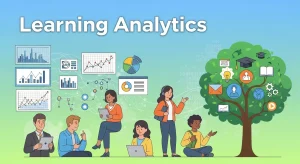
Analytics tools help you track your Online Course Audience’s behavior, such as course completion rates, quiz scores, and engagement time. Understanding patterns reveals which lessons resonate and where learners drop off. Tracking behavior allows for data-driven communications improvements to enhance learning outcomes. You can also identify which segments of your Online Course Audience are most active and engaged. Analytics inform marketing strategies, helping attract similar learners. Implementing Social Proof Strategies, like highlighting top-performing students or their success metrics, can boost credibility and attract more enrollments. Continuous monitoring ensures courses evolve with audience needs, keeping content fresh, relevant, and aligned with your audience’s preferences.
Nurturing Long-Term Learner Relationships

Building ongoing relationships with your Online Course Audience ensures continued engagement and loyalty. Use newsletters, community forums, and follow-up courses to maintain contact. Encouraging feedback, celebrating learner achievements, and offering additional resources strengthens trust. A well-nurtured Online Course Audience is more likely to recommend your course, participate in advanced programs, and become brand advocates. Personalizing communications based on learner preferences enhances connection and retention. Fostering community around your course encourages collaboration and shared learning experiences. By nurturing long-term relationships, you create a supportive environment that benefits both learners and your course growth. This approach supports Building a Thriving Community and ensures sustainable engagement for the long term.
Personalizing Learning Experiences for Your Online Course Audience
Personalization increases engagement and satisfaction for your Online Course Audience. Tailoring content to learners’ needs ensures they feel supported and understood. Personalized experiences can include adaptive learning paths, customized exercises, and recommended resources based on performance or preferences.
Key Strategies:
- Offer multiple learning paths for beginners and advanced learners
- Use quizzes to identify strengths and weaknesses
- Provide resources tailored to learner goals
- Suggest next steps based on engagement
| Learner Segment | Recommended Content | Delivery Method | Benefit |
|---|---|---|---|
| Beginners | Foundational Videos | Video lessons | Builds confidence |
| Advanced | Case Studies | Interactive PDF | Deepens understanding |
| Professionals | Short Tutorials | Microlearning | Fits busy schedules |
| Students | Quizzes & Exercises | Gamified app | Boosts engagement |
The Future of Engaging Your Online Course Audience
The future of online learning will increasingly focus on personalization and immersive experiences for your Online Course Audience. Advancements in AI, VR, and adaptive learning technologies will allow courses to adjust dynamically to individual learner needs, improving engagement and outcomes. Understanding your audience’s evolving preferences will be crucial to staying relevant and competitive. Future learners will expect interactive, flexible, and tailored experiences. By anticipating these changes and continuously refining your content, you can ensure your Online Course Audience remains satisfied, engaged, and motivated, driving course growth and long-term success in the ever-changing digital learning landscape.
Conclusion
Effectively understanding your Online Course Audience is the foundation of creating courses that truly resonate. By defining your learners, researching their needs, segmenting them, and engaging through personalized content, you ensure higher satisfaction and completion rates. Continuous feedback, analytics, and community building strengthen connections with your audience, fostering loyalty and long-term growth. Focusing on your Online Course Audience not only improves learning outcomes but also enhances course reputation, enrollment, and overall success in the competitive online learning landscape.
Frequently Asked Questions
1: What is an Online Course Audience?
An Online Course Audience is the specific group of learners your course targets. Understanding their demographics, needs, and goals ensures your content resonates, attracts the right students, and enhances engagement, satisfaction, and course completion rates.
2: Why is knowing my Online Course Audience important?
Knowing your Online Course Audience helps you design relevant content, choose effective delivery methods, and create targeted marketing. It ensures learners find value, remain engaged, and increases enrollment, satisfaction, and long-term loyalty for your courses.
3: How do I define my ideal Online Course Audience?
Identify key demographics, learning goals, challenges, and preferences of your Online Course Audience. Conduct surveys, interviews, and research competitor courses. This clarity allows you to create content that truly addresses your audience’s needs and expectations.
4: How can I segment my Online Course Audience?
Segment your Online Course Audience by skill level, profession, or learning objectives. Segmentation enables personalized learning paths, targeted resources, and marketing strategies, ensuring each learner receives content tailored to their goals and engagement style.
5: How do I create learner personas?
Building personas for your Online Course Audience involves detailing demographics, motivations, challenges, and preferred learning methods. Personas guide content creation, engagement strategies, and promotional efforts, ensuring lessons and communications resonate with different audience types.
6: What content formats work best for my Online Course Audience?
Your Online Course Audience may prefer videos, quizzes, interactive PDFs, or downloadable resources. Matching content formats to learner preferences increases engagement, retention, and satisfaction, making your courses more effective and enjoyable for diverse learners.
7: How can feedback improve course engagement?
Collecting feedback from your Online Course Audience identifies areas for improvement. Implementing suggestions enhances content relevance, builds trust, and strengthens community, resulting in higher completion rates, satisfaction, and long-term loyalty.
8: How can social media help me understand my Online Course Audience?
Social media provides insights into your Online Course Audience’s interests, challenges, and trends. Platforms help engage learners, share content, and attract potential students, ensuring your courses align with audience needs and gain broader visibility.
9: Why is tracking audience behavior important?
Monitoring engagement, completion rates, and quiz performance helps you understand your Online Course Audience. Analytics reveal what resonates, allowing for improvements in content, marketing, and learner retention for higher course success.
10: How do I nurture long-term relationships with my Online Course Audience?
Engage your Online Course Audience through newsletters, community forums, follow-ups, and personalized communications. Building strong relationships fosters loyalty, encourages referrals, and ensures ongoing participation in advanced courses or offerings.