How to Build an Email Sequence That Turns Course Visitors into Students
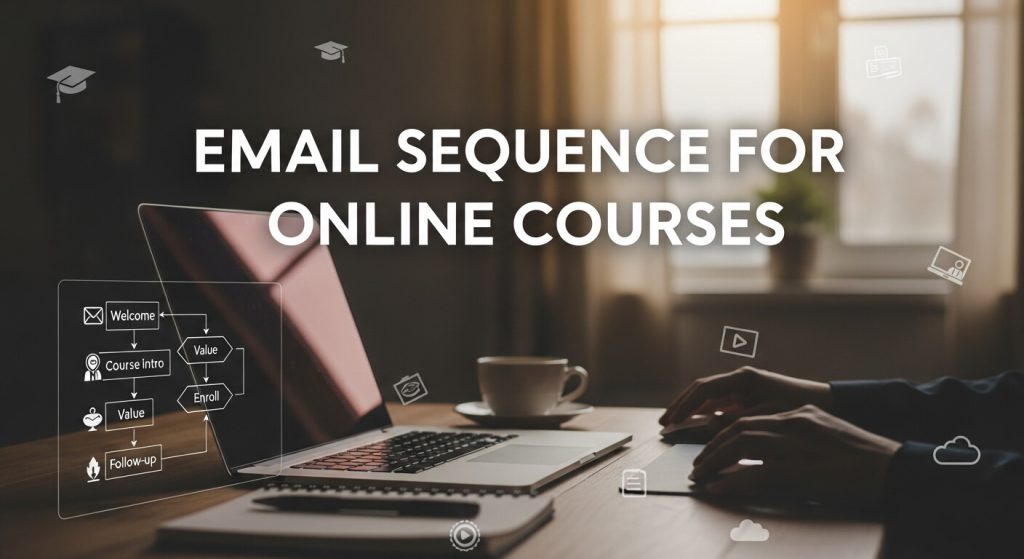
A well-planned Email Sequence for Online Courses builds trust, educates prospects, and supports confident enrollment decisions. With the right structure, timing, and value-driven content, course creators can achieve sustainable and scalable growth.
An effective Email Sequence for Online Courses can transform casual course visitors into confident enrolled students. Instead of pushing sales, a well-structured email flow educates, builds trust, and guides prospects toward enrollment naturally. For course creators, mastering this approach is essential to increase conversions, support online course pricing decisions, and create long-term student relationships that fuel sustainable growth.
Structuring Your Email Funnel for Online Course Launches
A successful Email Funnel for Online Course Launches follows a clear structure: awareness, education, trust-building, and conversion. The first few emails introduce your brand and address your audience’s core pain points. Mid-sequence emails provide value-driven insights and success stories. The final emails gently transition into your course offer. This funnel approach allows your Email Sequence for Online Courses to feel helpful rather than promotional. Each stage prepares readers mentally for the next step. When structured correctly, subscribers don’t feel “sold to”—they feel guided. This process also helps justify your online course pricing by demonstrating value before the offer is presented.
Writing High-Value Content That Builds Trust
Content quality determines whether your Email Sequence for Online Courses converts or fails. Each email should solve a small problem, share a useful insight, or reframe a common misconception. Avoid overloading emails with information; clarity builds trust faster than complexity. Storytelling works especially well, as real experiences make your message relatable. This content-first approach aligns with strong email marketing strategies for course creators, helping subscribers see you as an authority. When trust is established, enrollment becomes a logical decision rather than an emotional gamble. High-value emails also increase reply rates and engagement, signaling to subscribers that your course will deliver real results.
Understanding the Purpose of an Email Sequence for Online Courses
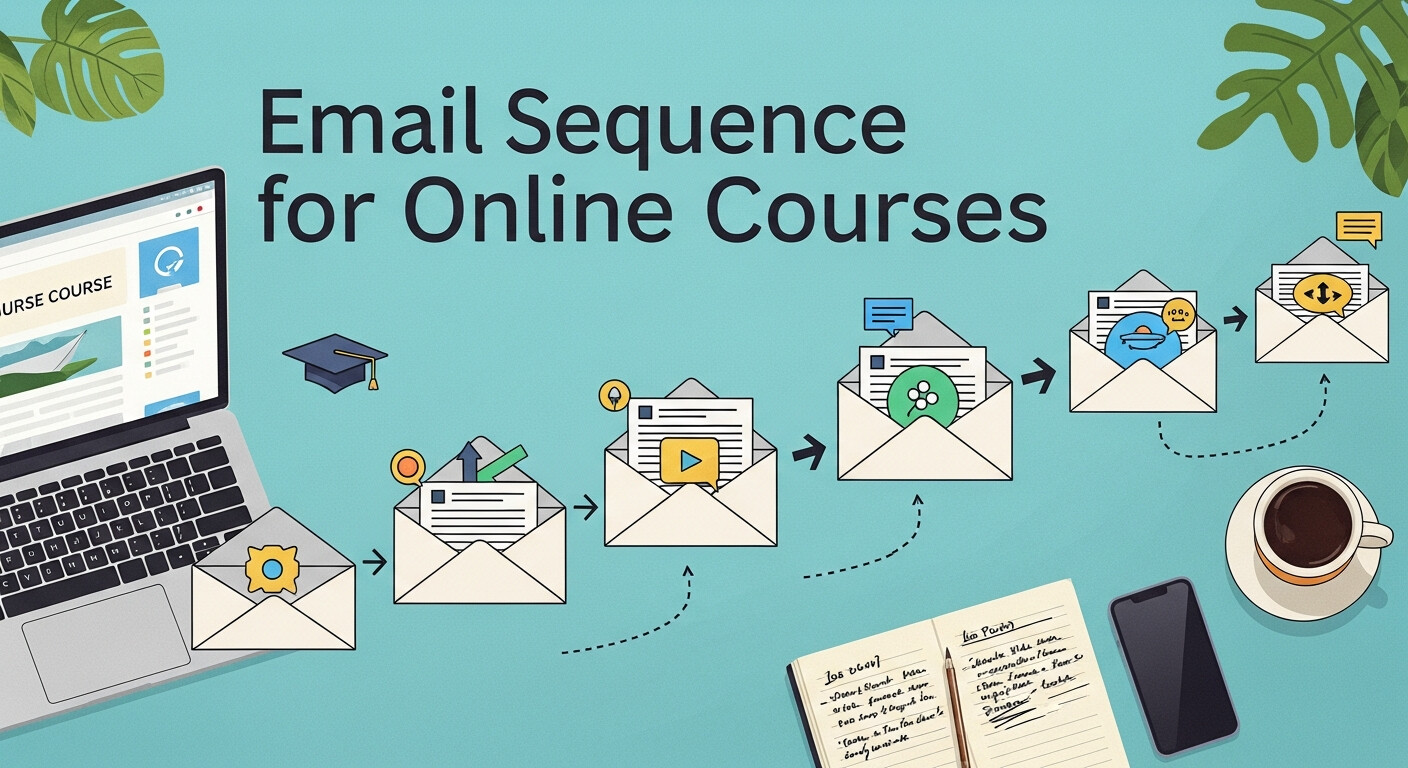
The main goal of an Email Sequence for Online Courses is to move prospects from curiosity to commitment. Unlike one-off promotional emails, a sequence delivers value gradually, helping readers understand the problem your course solves. This strategy allows course creators to educate, nurture trust, and remove doubts before asking for enrollment. When designed properly, the sequence works like a guided journey rather than a sales pitch. It also supports broader email marketing strategies for course creators by aligning content with user intent. Each email builds upon the last, preparing readers emotionally and logically for enrollment. This structured communication improves open rates, click-through rates, and overall conversion quality while making your course offer feel like a natural next step.
Build an Email List for Online Course Launch the Right Way
Before creating an Email Sequence for Online Courses, you must first build a quality email list. Focus on attracting subscribers who are genuinely interested in your course topic, not just freebie hunters. Lead magnets such as mini lessons, checklists, or free workshops work well for Build an Email List for Online Course Launch efforts. The key is relevance—your free offer should directly connect to your paid course outcome. When your list is targeted, your email sequence becomes more effective and conversion-focused. A smaller, engaged list will outperform a large, unqualified one. This approach ensures your Email Sequence for Online Courses reaches people who are already motivated to learn and invest.
Using Psychology to Guide Enrollment Decisions
Psychology plays a powerful role in an effective Email Sequence for Online Courses. Social proof, consistency, and authority influence how prospects perceive your offer. Testimonials, case studies, and small wins help reduce hesitation. Scarcity can be used carefully—such as limited enrollment periods—without feeling manipulative. The goal is to help readers feel confident in their choice. This psychological layering supports Email Funnel for Online Course Launches by addressing emotional objections before they arise. When readers feel understood and supported, they are more likely to enroll and commit fully to the learning experience.
Timing and Frequency in an Email Sequence for Online Courses
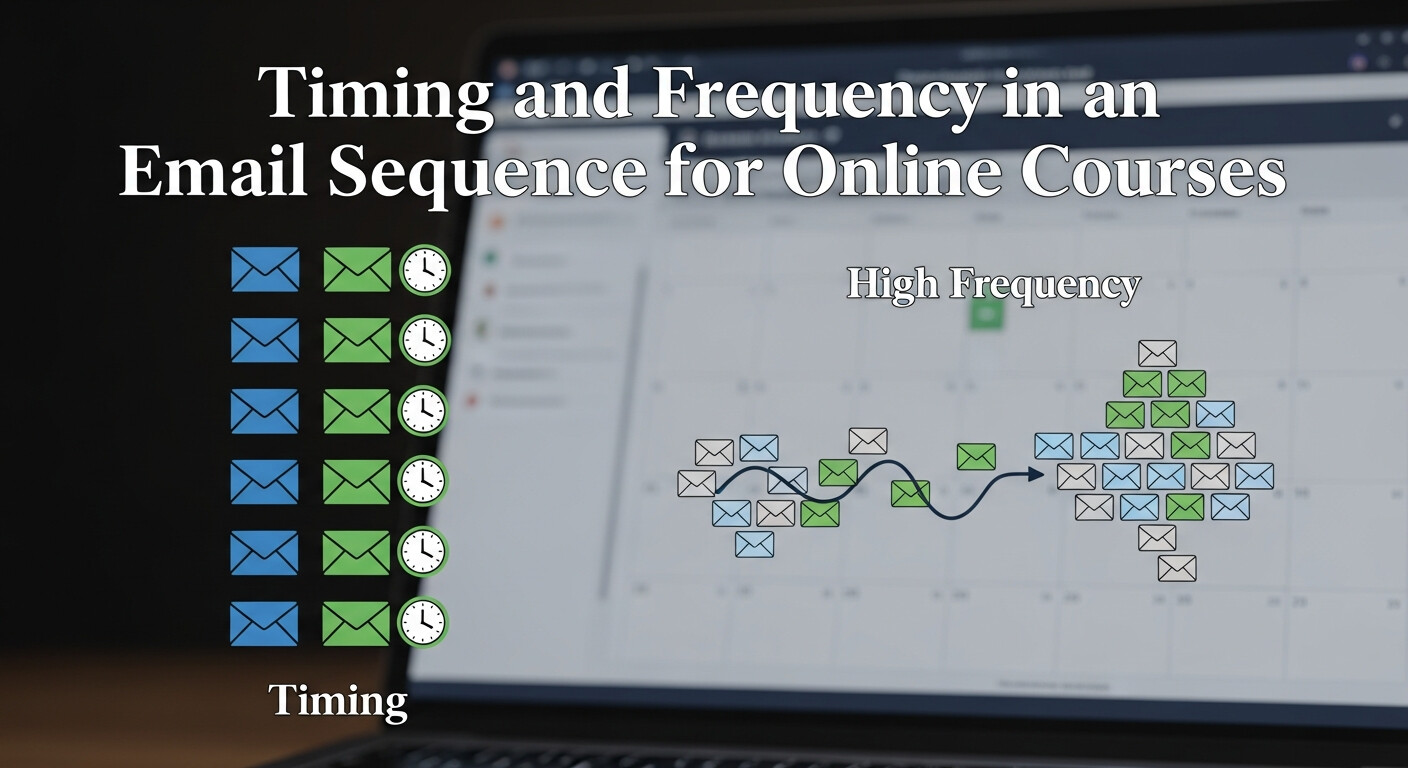
Timing is critical when delivering an Email Sequence for Online Courses. Sending too many emails can cause fatigue, while too few may reduce momentum. A balanced approach—one email every one to two days—keeps your course top of mind without overwhelming subscribers. Timing should also match intent; educational emails work best early, while promotional emails perform better later. This strategic pacing strengthens email marketing strategies for course creators by maintaining engagement throughout the sequence. Well-timed emails feel supportive, not intrusive, and help prospects move steadily toward enrollment without pressure.
Aligning Email Content with Online Course Pricing
Your Email Sequence for Online Courses should naturally prepare readers for your pricing. Instead of revealing price suddenly, build value gradually through outcomes, transformations, and success examples. This approach makes online course pricing feel justified and fair. Address common pricing objections openly, such as time commitment or return on investment. When subscribers understand what they gain, price becomes secondary. This alignment reduces refund requests and increases student satisfaction. A transparent pricing conversation within your email sequence builds trust and sets realistic expectations, which benefits both you and your students long-term.
Tools That Help Manage and Improve Course Email Marketing
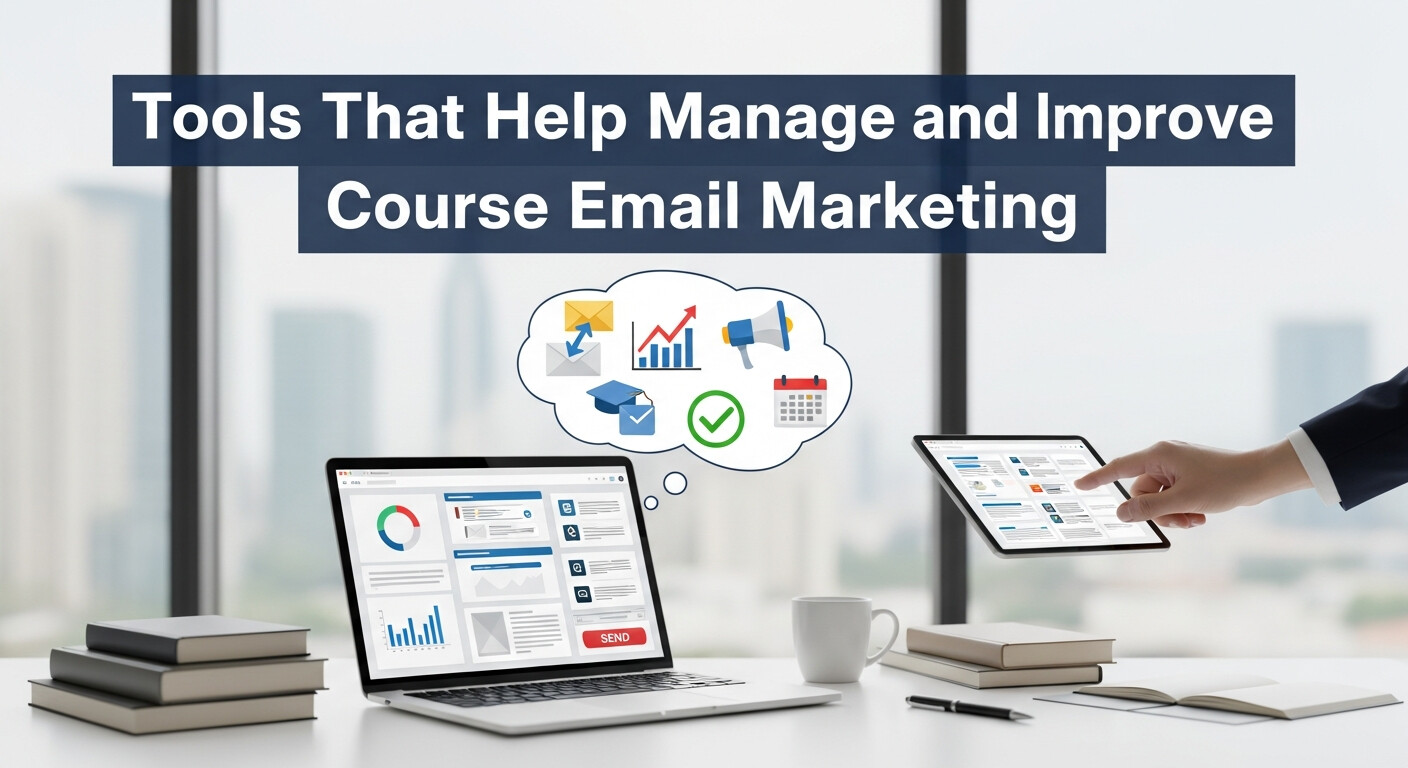
Using the right tools can significantly improve how you manage and optimize your email strategy. These platforms help automate emails, track performance, and understand subscriber behavior. With proper tools, course creators can save time while delivering consistent, high-quality communication. Choosing tools that match your workflow ensures better results and smoother course launches.
Benefits of using email tools:
- Automated email scheduling
- Performance tracking and analytics
- Audience segmentation
- Improved deliverability
- Consistent communication
Popular Tool Comparison Table
| Tool Type | Main Use | Best For |
|---|---|---|
| Email Automation Tool | Scheduling & automation | Course launches |
| Analytics Tool | Tracking engagement | Optimization |
| CRM Integration | Managing subscribers | Scaling courses |
| Landing Page Tool | Lead capture | List building |
Measuring Performance and Optimizing the Email Sequence

Tracking performance is essential to improve your Email Sequence for Online Courses. Monitor open rates, click-through rates, and conversions to identify weak points. Small changes—such as subject lines or call-to-action placement—can produce significant improvements. Optimization ensures your Email Funnel for Online Course Launches evolves with audience behavior. Data-driven adjustments also help refine your messaging and improve enrollment quality. Continuous testing allows course creators to maximize results without increasing workload. A well-optimized email sequence becomes a long-term asset that consistently converts visitors into students.
Scaling with Automation and Long-Term Strategy
Once proven, automate your Email Sequence for Online Courses to create consistent and predictable enrollments. Automation ensures every new subscriber receives the same well-structured learning journey without requiring manual effort each time. This approach allows course creators to focus on improving content while the system works in the background. As your audience grows, automation supports sustainable scaling and aligns with advanced email marketing strategies for course creators. Over time, segmentation and personalization based on user behavior or interests further improve engagement. With automation in place, your course continues generating enrollments even when promotions pause, turning your email list into a dependable, long-term enrollment engine.
Common Mistakes to Avoid When Creating Course Email Sequences
Even experienced course creators make mistakes when designing their email sequences. These errors often reduce engagement and hurt conversions. A successful email flow should guide readers clearly, not confuse or pressure them. Understanding common pitfalls helps you create emails that feel valuable and trustworthy. When you avoid these mistakes, your sequence becomes more effective and supports long-term student relationships instead of short-term sales.
Common mistakes include:
- Sending too many sales-focused emails too early
- Writing long emails without a clear message
- Ignoring audience pain points
- Not including a clear call to action
- Failing to test and improve performance
Mistake vs Impact Table
| Mistake | Negative Impact |
|---|---|
| Too many promotions | Higher unsubscribe rate |
| No clear structure | Reader confusion |
| Weak subject lines | Low open rates |
| No trust-building | Poor conversions |
The Future of Email Sequence for Online Courses
The future of Email Sequence for Online Courses will focus more on personalization, automation, and data-driven decision-making. As learners expect relevant and timely communication, course creators will need to segment audiences based on behavior and interests. AI-powered tools will help optimize subject lines, content timing, and engagement patterns. Interactive emails and value-based storytelling will become more important than aggressive promotions. In the coming years, successful course creators will treat email sequences as long-term relationship channels rather than short-term sales tools. A smart Email Sequence for Online Courses will continue to be a key driver of sustainable enrollment growth.
Conclusion
A well-planned Email Sequence for Online Courses is more than a marketing tool—it is a relationship-building system that guides potential students from interest to enrollment. By focusing on value, timing, and trust, course creators can create meaningful connections that support long-term growth. When combined with smart list-building, clear messaging, and thoughtful pricing communication, an email sequence becomes a powerful conversion asset. Continuous testing and automation further strengthen results, allowing your course to reach the right learners at the right time. Ultimately, a strategic Email Sequence for Online Courses helps turn visitors into confident, committed students.
Frequently Asked Questions (FAQs)
1. What is an email sequence for an online course?
An email sequence is a series of planned emails sent to subscribers over time. It educates, builds trust, and gradually introduces the course, helping potential students make confident enrollment decisions without feeling pressured.
2. How long should a course email sequence be?
Most course email sequences perform well with 5–10 emails. The ideal length depends on your audience, course complexity, and buying cycle. The goal is clarity and value, not overwhelming subscribers with too many messages.
3. How often should I send emails in a sequence?
Sending one email every one to two days is usually effective. This keeps your course fresh in the reader’s mind while giving them enough time to absorb information and take action naturally.
4. Do I need a large email list to sell courses?
No, a small but targeted list can convert better than a large, unengaged one. Focus on attracting people who are genuinely interested in your topic rather than chasing high subscriber numbers.
5. What type of content works best in course emails?
Educational tips, real-life examples, short stories, and practical insights work best. Content should help readers understand the value of your course and how it solves their specific problems.
6. Should I include sales emails in the sequence?
Yes, but they should come after trust is built. When readers understand the benefits and outcomes, a clear and respectful sales message feels helpful rather than pushy.
7. How do I handle pricing objections through email?
Address common concerns openly by explaining value, outcomes, and long-term benefits. Sharing testimonials or success stories can also help readers feel confident about the investment.
8. Can automation be used for course email sequences?
Absolutely. Automation ensures every subscriber receives the same high-quality experience. It also saves time and allows your course to generate enrollments even when you’re not actively promoting it.
9. What mistakes should I avoid in email sequences?
Avoid sending too many promotional emails, using unclear messaging, or ignoring audience needs. Poor timing and lack of value can reduce trust and lead to unsubscribes.
10. How do I know if my email sequence is working?
Track open rates, click-through rates, and enrollments. These metrics show how engaged your audience is and where improvements are needed within the sequence.
11. Should I personalize my course emails?
Yes, personalization improves engagement. Using names, referencing interests, or adjusting content based on behavior helps emails feel more relevant and increases response rates.
12. Is storytelling important in course emails?
Storytelling makes your message relatable and memorable. Real experiences help readers connect emotionally and better understand how your course can help them achieve results.
13. Can I reuse the same sequence for future launches?
Yes, but it’s best to review and update it regularly. Improving subject lines, examples, or calls to action can significantly boost performance over time.
14. Are email sequences better than social media promotion?
Email offers direct access to interested learners, while social media depends on algorithms. Both work well together, but email provides more control, consistency, and higher conversion potential.