How to Build an Email List for Your Online Course Launch
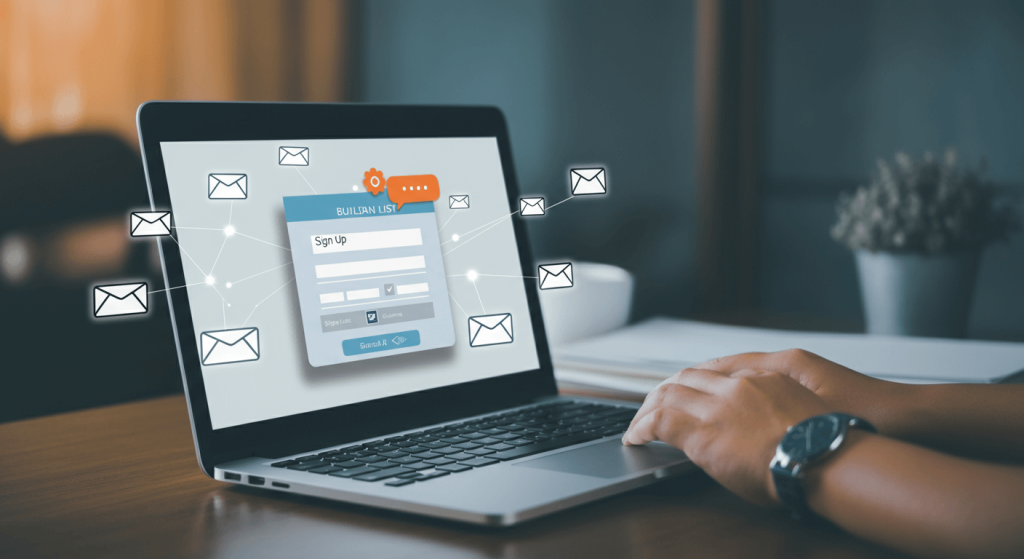
Building an email list before launching your online course can make the difference between a successful launch and a disappointing one. Email marketing remains one of the most effective ways to reach potential students and convert them into paying customers.
This guide will walk you through proven strategies to build an email list for online course launches. You’ll discover practical tactics that work, common mistakes to avoid, and actionable steps you can implement right away.
Why Email List Building Matters for Course Creators
Email marketing delivers an average ROI of $42 for every dollar spent. For online course creators, this translates to more pre-orders, higher launch revenue, and a community of engaged learners.
When you own your email list, you control the conversation with your audience. Social media algorithms can limit your reach, but emails land directly in your subscribers’ inboxes. This direct connection becomes invaluable when you’re ready to launch your course.
Start with a Lead Magnet That Solves Real Problems

Your lead magnet is the foundation of your email list-building strategy. It should provide immediate value while showcasing your expertise in your course topic.
Choose the Right Lead Magnet Format
Different formats work better for different audiences:
- PDF Guides and Checklists work well for actionable, step-by-step content. They’re easy to create and consume.
- Video Training Series allow you to demonstrate your teaching style. This helps potential students get comfortable with your approach before investing in your full course.
- Templates and Worksheets provide practical tools your audience can use immediately. These tend to have high perceived value.
- Free Mini-Courses give prospects a taste of your full course content. Email-based mini-courses work particularly well for building engagement over time.
Make Your Lead Magnet Irresistible
Your lead magnet should address a specific problem your target audience faces. Avoid creating generic content that tries to appeal to everyone.
For example, if you’re creating a course on photography, don’t offer a generic “Photography Tips” guide. Instead, create “The 5-Minute Camera Settings Checklist for Sharp Photos Every Time.”
The more specific your lead magnet, the more qualified your subscribers will be.
Create High-Converting Landing Pages
Your landing page converts visitors into subscribers. Every element on this page should focus on getting people to join your email list.
Essential Landing Page Elements
- Compelling Headlines should clearly state what visitors will get. Use benefit-focused language that speaks directly to their needs.
- Social Proof builds trust with testimonials, subscriber counts, or endorsements from recognized figures in your industry.
- Clear Call-to-Action Buttons should stand out visually and use action-oriented text like “Get My Free Guide” or “Start Learning Now.”
- Minimal Distractions mean removing navigation menus, sidebar links, and other elements that might pull attention away from your signup form.
Test and Optimize Your Pages
Small changes can significantly impact your conversion rates. Test different headlines, button colors, and form lengths to see what works best for your audience.
Most landing page builders offer A/B testing features. Use them to continuously improve your results.
Leverage Content Marketing for Organic Growth
Content marketing attracts potential subscribers by providing valuable information related to your course topic.
Blog Content Strategy
Write blog posts that answer common questions your target audience has. Each post should include a relevant call-to-action to join your email list.
Focus on search-friendly topics that your potential students are actively searching for. Use keyword research tools to identify these opportunities.
Guest Posting and Collaborations
Writing for other blogs in your niche exposes you to new audiences. Include a brief bio with a link to your lead magnet.
Podcast appearances and interviews also work well for building authority and attracting new subscribers.
Use Social Media Strategically
Social media platforms are excellent for driving traffic to your landing pages, but avoid trying to build your list directly on these platforms.
Platform-Specific Strategies
- Instagram works well for behind-the-scenes content and story highlights that drive traffic to your landing page.
- LinkedIn is ideal for professional courses and B2B topics. Share valuable insights and direct people to your lead magnet for more detailed information.
- YouTube allows you to create longer-form content that demonstrates your expertise. Include links to your landing page in video descriptions and end screens.
Convert Social Followers to Email Subscribers
Regularly mention your lead magnet in your social media content. Create posts specifically designed to drive traffic to your landing pages.
Use social proof by sharing subscriber milestones and testimonials from your email list.
Build Relationships Through Email Marketing Strategy

Once people join your list, nurture these relationships with valuable content. Your email marketing strategy should balance education with promotion.
Welcome Series Setup
Create a welcome email series that introduces new subscribers to your content and expertise. This series should deliver on the promise made in your lead magnet while setting expectations for future emails.
Consistent Value Delivery
Send regular emails that provide tips, insights, and resources related to your course topic. Aim for at least one valuable email per week.
Share your expertise generously. The more value you provide, the more trust you build with your audience.
Optimize for Online Course Marketing Success
Your email list should seamlessly support your overall online course marketing strategy.
Segment Your List
Not all subscribers are at the same stage of the buyer’s journey. Segment your list based on interests, engagement levels, and purchase history.
This allows you to send more targeted, relevant content that resonates with each group.
Pre-Launch Engagement
Start talking about your upcoming course well before launch day. Share your progress, ask for feedback, and build anticipation.
Offer early bird discounts or exclusive bonuses to email subscribers. This rewards their loyalty and encourages pre-orders.
Measure and Improve Your Results
Track key metrics to understand what’s working and what needs improvement.
Important Metrics to Monitor
- List Growth Rate shows how quickly you’re adding new subscribers. Calculate this monthly to track your progress.
- Email Open Rates indicate how well your subject lines perform and how engaged your audience is.
- Click-through rates measure the percentage of people who take action on your emails. This metric helps you understand content effectiveness.
- Conversion Rates from your landing pages show how well your lead magnets perform.
Continuous Improvement
Review your metrics monthly and make adjustments based on what you learn. Test new lead magnets, try different email subject lines, and experiment with sending frequencies.
Turn Subscribers into Course Students
Building your email list is just the beginning. The real success comes from converting subscribers into paying students.
Start implementing these email list building strategies today. Begin by creating a compelling lead magnet that addresses your audience’s most pressing need. Then, build a simple landing page to capture email addresses.
Remember that building an email list for online course marketing is a marathon, not a sprint. Focus on providing consistent value to your subscribers, and they’ll be eager to invest in your course when you’re ready to launch.
The sooner you start building your email list, the larger your audience will be when your course is ready. Your future self will thank you for starting today.