Student-Generated Content: A New Force in Course Marketing

Modern institutions realize that student-generated content creates a unified, stress-free experience, transforming education by fostering focus and calm for both prospective students and administrators.
This comprehensive guide explores how an integrated peer-led approach reduces friction in the educational journey. We cover actionable strategies, expert insights, and practical frameworks to help schools build connected digital ecosystems. Learn to boost authentic engagement while maintaining a supportive, highly focused campus environment.
The Shift Toward Authentic Voices in Education
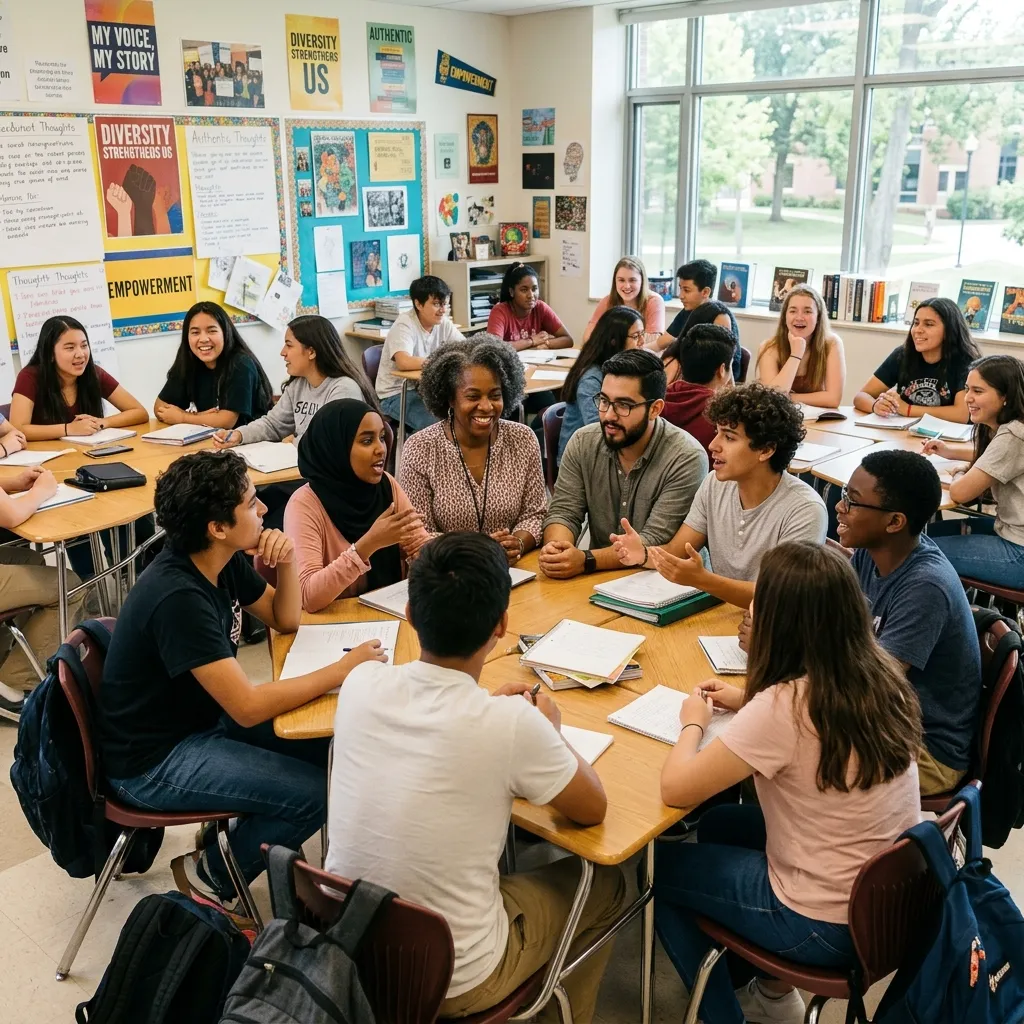
The landscape of educational communication has shifted dramatically over the past decade. Previously, schools and universities relied on formal communication methods, sending isolated emails or mailing physical brochures that often failed to resonate with a digitally native generation. Today, student-generated content provides a holistic ecosystem that guides students naturally through their educational journey without overwhelming them.
When implemented correctly, student-generated content eliminates the chaos of disjointed messaging. Instead of bombarding prospective students with repetitive, corporate-sounding information across different platforms, institutions can use this strategy to deliver the right message through a trusted peer at the exact right moment. This transition from institutional noise to authentic harmony is what makes a calm, focused approach so highly effective in modern student retention strategies. Students want to hear from people who walk the same halls, take the same classes, and experience the same daily routines.
By shifting the narrative power to actual students and faculty, educational brands can step back from aggressive recruitment tactics. This shift naturally lowers the cognitive load on prospective applicants. They no longer have to decipher dense academic jargon; instead, they consume relatable, focused text and video that answers their immediate questions. Leveraging student-generated content allows higher education to pivot away from broad advertising and toward community building.
Why Calm and Focus Matter in Student Recruitment
Applying student-generated content to the education sector requires a delicate, empathetic touch. Students face incredibly high levels of anxiety regarding admissions, financial aid, and academic performance. A chaotic, high-pressure marketing approach only adds to this stress. By utilizing a synchronized system of peer advocates, schools can create a digital environment that feels supportive and organically organized.
According to research by the Pew Research Center, young adults rely heavily on peer validation when making major life decisions. Institutions that adopt streamlined, student-centric communication models see significantly higher satisfaction rates. When all voices work together, the prospective student experiences a seamless transition from initial curiosity to final enrollment. The focus remains on the student’s well-being and clarity, rather than the institution’s enrollment quotas. The proper use of student-generated content brings authenticity directly to the forefront.
Core Components of a Focused Ambassador Strategy
To successfully launch campaigns relying on student-generated content, institutions must thoroughly understand the building blocks of a connected, human-centered ecosystem. It is not simply about paying popular students to post on every platform; it is about ensuring those advocates share genuine experiences and speak with a unified, helpful voice that aligns with the institution’s core values.
Selecting the Right Student Advocates
The foundation of effective peer marketing is identifying the right voices. This requires looking beyond vanity metrics like follower counts. Institutions must integrate their integrated enrollment marketing data to find students who are deeply engaged with campus life, academically focused, and capable of telling compelling stories. When a prospective student watches a vlog about dorm life, that interaction should feel like a natural conversation with a mentor. Selecting advocates who prioritize calm, helpful communication over flashy, high-stress posts ensures every piece of student-generated content remains highly relevant and comforting.
Consistent and Authentic Brand Messaging
Consistency creates deep trust. If your website projects an image of supportive academic rigor, but your social media advocates use highly stressful, sensationalized clickbait, it creates immediate cognitive dissonance. Successful student-generated content demands a unified narrative that adapts slightly to the creator’s personal style while maintaining the institution’s core identity of focus and calm. Guidelines must empower creators to be themselves while adhering to a broader strategy of reducing applicant anxiety.
Seamless Channel Integration
A student might begin their inquiry by watching a campus tour on their mobile phone, continue reading an alumni blog post on their laptop, and finally call an admissions counselor. Your strategy must account for these distinct transitions. The student-generated content created by your ambassadors should seamlessly direct prospects to the next logical, low-stress step in their journey, allowing for a focused, personalized experience that respects the viewer’s time and mental bandwidth.
Benefits of Authentic Learner Voices in Marketing
The primary advantage of student-generated content lies in its authenticity. Modern learners are skeptical of traditional marketing tactics and trust peer insights far more. According to research by the U.S. Department of Education, testimonials and first-hand accounts significantly increase perceived credibility. When potential students see real classmates sharing honest successes and challenges, that transparency builds a foundation of trust that branded messages simply cannot replicate.
Another key benefit is heightened engagement. Content created by learners often sparks conversations and social shares, extending your reach exponentially. A single testimonial or project showcase can inspire comments, reposts, and direct inquiries, turning passive viewers into active participants. This type of organic buzz contributes to a vibrant community where members feel invested in one another’s success.
Cost efficiency makes student-generated content especially appealing for organizations of any size. Producing high-quality multimedia campaigns in-house demands significant resources—from videographers and graphic designers to copywriters. By contrast, harnessing learner contributions substitutes internal production costs with minimal incentives or recognition. The result is a continuous stream of authentic visuals, written reviews, and interactive materials that require little ongoing overhead.
Finally, user-driven narratives help highlight diverse use cases and learning paths. Every student’s journey is unique, and by showcasing a variety of experiences—whether a professional upskilling course or a creative workshop—you demonstrate how your offering adapts to different goals. This multifaceted storytelling not only broadens your appeal but also addresses specific pain points across segments.
Proven Strategies to Inspire Community-Driven Content Creation

Encouraging learners to share their stories requires deliberate planning. One effective tactic is embedding shareable prompts directly into course modules. For instance, after completing a significant milestone, ask students to record a short video summarizing their breakthrough moment. Offer a small reward—such as a digital badge or a mention in the monthly newsletter—to motivate participation.
Contests and challenges also yield high engagement. Launch a branded competition inviting participants to submit creative explanations or demos of what they’ve learned. Prizes can range from extended access to premium materials to one-on-one coaching sessions. Time-bound events create excitement and urgency, producing a flood of high-quality submissions you can then curate.
Building dedicated spaces for interaction fosters organic content generation. Establish private groups on platforms like Slack or a custom forum where students exchange tips, post accomplishments, and ask questions. These hubs become hotbeds for genuine testimonials and peer-to-peer recommendations. When you feature standout posts within your official channels, it reinforces a sense of community and encourages further contributions.
Partnerships with alumni or industry influencers can also catalyze content creation. Invite respected graduates to host live Q&A sessions or share case studies. Their endorsement not only provides social proof but energizes current learners to record their own reflections. Leveraging influential voices amplifies your message and motivates followers to join the conversation.
Lastly, ensure recognition is mutually beneficial. Highlighting learner successes on your website, in email campaigns, and across social media profiles demonstrates appreciation and grants exposure. Many participants view this visibility as a professional accolade, incentivizing them to produce thoughtful, polished content that aligns with your brand values.
Best Practices for Curating and Amplifying Learner Contributions
Collecting content is only half the battle; strategic curation is what turns raw submissions into compelling marketing assets. Begin by establishing clear guidelines on tone, format, and scope. Providing templates, style recommendations, and sample entries sets expectations and helps maintain consistency across contributions.
Always secure explicit permission before repurposing student-generated media. A straightforward digital release form or an email confirmation ensures legal compliance and demonstrates respect for individual rights. Transparency around usage rights fosters goodwill and strengthens trust between your organization and its learners.
Once you have a repository of approved submissions, categorize content by theme or format—testimonial snippets, tutorial clips, graphic summaries, and so on. This organized approach simplifies the creation of targeted campaigns. For example, short quotes can enhance social ads, while in-depth video reflections may enrich your landing pages or webinar intros.
Repurposing is key to extending the lifespan of each asset. Embed video excerpts in email newsletters, convert standout quotes into shareable graphics, and compile multiple voices into a dynamic carousel on your homepage. Cross-channel promotion ensures that student-generated content reaches audiences wherever they engage—whether on LinkedIn, Twitter, or your internal learning platform.
Finally, track performance metrics for each piece. Use analytics to assess which formats resonate most and iterate accordingly. High-performing contributions can be prioritized for featured spots, while lower-engagement items may be reconsidered or refined. Continual optimization ensures your curation strategy remains agile and effective.
Technology Platforms to Streamline Content Collection and Management

A variety of specialized tools simplify the process of gathering and moderating student-generated content. Platforms like TINT enable you to aggregate social media posts by hashtag, filter submissions, and embed live feeds on your website. This centralized dashboard saves time and provides real-time visibility into trending contributions.
For written reviews and star ratings, Yotpo offers automated request workflows and customizable display widgets. By integrating Yotpo with your course portal, you can prompt learners to leave feedback at key milestones, then showcase the most persuasive testimonials front and center on sales pages.
Another option is Taggbox, which collects hashtagged posts from multiple networks and transforms them into engaging galleries. You can moderate entries, apply visual themes, and rotate content effortlessly. Taggbox also supports on-screen displays during live events, enhancing community feel and encouraging real-time submissions.
Project management tools like Trello or Asana can organize internal review processes. Assign team members to vet submissions, track permission statuses, and schedule publishing. Combining these collaborative workspaces with your chosen UGC platform ensures a smooth workflow from collection to publication.
Lastly, consider leveraging learning management systems (LMS) that natively support learner portfolios. Many modern LMS solutions include features for students to upload project files, video presentations, and reflective journals. These built-in capabilities can be harnessed for marketing by selecting standout examples and requesting permission to share.
Measuring and Scaling the Impact of Learner-Produced Media
To validate the effectiveness of student-generated content, it’s essential to track relevant metrics. Begin with engagement rates: compare interactions—likes, comments, and shares—on posts featuring authentic student voices versus standard brand content. A significant uplift indicates that peer-driven narratives resonate more deeply.
Next, analyze conversion lift on pages that incorporate learner testimonials or project showcases. Conduct A/B tests by serving prospective students either a control page or one enriched with student-generated material. Monitor enrollment rates, form submissions, and click-throughs to quantify impact on your top-line goals.
Evaluate cost-per-acquisition (CPA) by factoring in any incentives offered for content creation. Often, CPA decreases when authentic media drives organic awareness, reducing dependency on paid advertising. Lower acquisition costs free up budget for additional community-building initiatives.
Beyond quantitative measures, gather qualitative feedback from new enrollees. Ask incoming students which resources influenced their decision. If a large percentage cites peer testimonials or project demos, that insight underscores the strategic value of learner-generated campaigns.
As you observe positive outcomes, consider scaling your efforts. Expand contests to regional cohorts, integrate content soliciting prompts into new course launches, and partner with institutional departments such as career services to showcase professional success stories. By institutionalizing processes for student-generated content, you create a sustainable engine for authentic marketing that grows alongside your programs.
Conclusion
In today’s competitive e-learning environment, harnessing the voices of genuine learners is no longer optional—it’s essential. Student-generated content offers unmatched authenticity, cost efficiency, and engagement potential. By incentivizing participation, curating thoughtfully, and using the right platforms, you can transform your community into an active marketing force.
This year (2026), take the first step by launching a simple hashtag campaign or spotlighting a standout project on your homepage. Track performance metrics, refine your approach, and watch as organic reach and conversion rates climb. When student voices lead the narrative, prospective learners connect on a deeper level and make enrollment decisions with greater confidence.
Ready to revolutionize your course promotion? Begin soliciting genuine stories today and unlock the transformative power of student-generated content. The authentic stories from your community will become your most persuasive ambassadors, fueling growth and building lasting trust.
Frequently Asked Questions
1. What exactly constitutes this type of media in an educational setting?
Student-generated content includes any digital media—such as videos, blog posts, social media updates, or podcasts—created entirely by current learners rather than the institution’s official marketing or administrative departments.
2. How does this strategy improve student focus and reduce anxiety?
By delivering relatable, timely, and realistic information, this approach reduces cognitive overload. Learners spend less time deciphering formal corporate jargon and more time redirecting their mental energy toward their actual academic coursework.
3. Do we need students with massive social media followings?
No. Micro-influencers and everyday campus leaders often make the best advocates. They do not need massive follower counts; they simply need a highly engaged, relevant audience that trusts their authentic opinions and experiences.
4. Is it expensive to run these peer-led campaigns?
It is highly cost-effective. While traditional media buys and high-end video productions are incredibly expensive, partnering with current learners in exchange for fair stipends, campus perks, or course credit provides an incredible return on investment.
5. Can small community colleges afford this approach?
Absolutely. Small institutions often excel at this strategy because their communities are highly tight-knit. They can easily identify passionate advocates and launch a modest program without needing a massive enterprise marketing budget.
6. How does peer messaging impact retention rates?
An authentic strategy allows institutions to foster a deep sense of belonging. When struggling learners see their peers thriving and sharing honest tips for overcoming academic hurdles, they feel supported and are significantly less likely to drop out.
7. Does heavily scripting the creators ruin the final product?
Yes. Poorly executed, heavily scripted videos are immediately obvious to modern digital natives. Giving creators creative freedom ensures the messaging feels highly supportive, customized, and genuinely trustworthy.
8. How do physical campus tours fit into this digital strategy?
Physical touchpoints amplify the digital ecosystem. Having your digital creators lead physical campus tours or host Q&A sessions at freshman orientation bridges the gap between online trust and real-world connection.
9. What are the biggest challenges in implementing this strategy?
The primary challenge is letting go of total institutional control. Marketing departments are accustomed to polishing every single word. Allowing learners to speak freely requires strong leadership, cross-functional trust, and comprehensive community management.
10. How do administrators measure the success of these programs?
Success is measured through tracking engagement rates, website traffic, application completion rates, and yield metrics. Additionally, qualitative feedback regarding learner satisfaction and decreased administrative anxiety are vital metrics to monitor continuously.