Omnichannel Marketing for Online Courses: Engage Learners

Schools face major communication chaos. By adopting omnichannel marketing, educational institutions can streamline messaging, reduce parental anxiety, and help students maintain a calm, focused learning environment.
This comprehensive guide explores how unified communication platforms revolutionize school environments. We detail the shift from fragmented alerts to cohesive messaging systems. Discover practical steps, expert strategies, and comparison data that prove why connected communication builds deeply focused, stress-free educational experiences for everyone.
The Core Concept of Unified Educational Communication
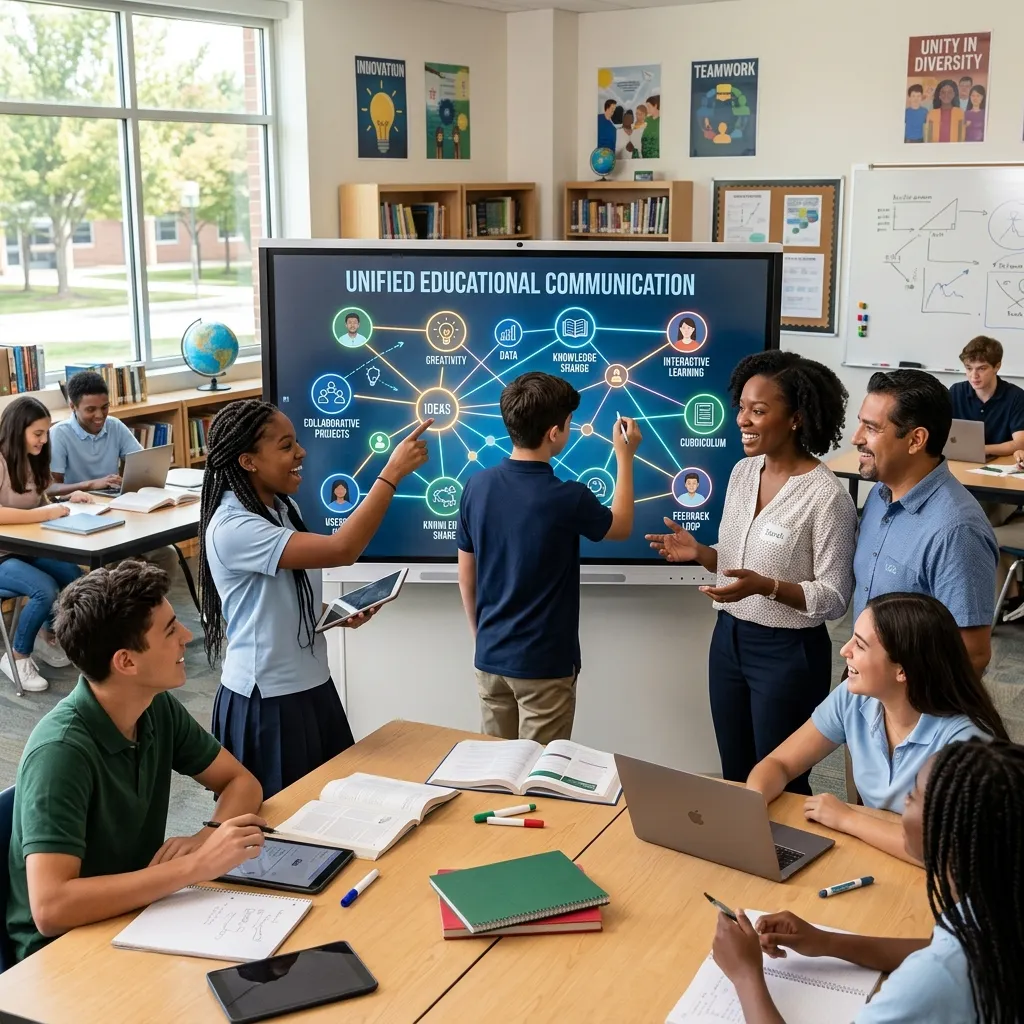
Educational institutions rely on a vast network of information sharing. Teachers send emails, administrators post on social media, automated systems deliver text messages, and students check digital portals. When these systems operate independently, they create a fractured landscape of information. Parents miss critical updates, students feel overwhelmed by scattered alerts, and staff members spend hours repeating themselves. Implementing omnichannel marketing solves this exact problem by connecting every touchpoint into one seamless, unified experience.
When a school district shifts to this cohesive model, the change is immediate and profound. A message sent through an email portal automatically aligns with the mobile app notification and the website banner. This synchronization means families receive the same clear message regardless of how they choose to interact with the school. The elimination of conflicting information directly reduces the cognitive load on both parents and students. They no longer need to check four different platforms to figure out the schedule for the week. They simply check their preferred channel and trust that the information is accurate.
Bridging the Gap Between Home and School
A calm student usually comes from a calm home environment. If parents feel anxious because they cannot find important school updates, that stress inevitably transfers to the child. Utilizing omnichannel marketing ensures that families stay informed without feeling bombarded. When parents trust the communication system, they ask fewer frantic questions at the breakfast table. This sets a peaceful tone for the morning, allowing the student to arrive at school ready to learn rather than worried about missing permission slips or schedule changes.
How omnichannel marketing Reduces Cognitive Overload
Modern students process an unprecedented amount of digital information. Every notification acts as a micro-interruption, pulling their attention away from their studies. If a school uses disjointed communication methods, students endure constant pings from different apps and email accounts.
Eliminating Student Notification Fatigue
By utilizing a centralized approach, schools can bundle notifications and deliver them at appropriate times. Instead of receiving a text about a club meeting during math class and an email about grades during science, students receive a consolidated update. This intentional delivery protects their attention span. It allows them to engage deeply with their coursework. A focused mind retains information much better than a distracted one. Educational experts note that minimizing digital interruptions is crucial for developing robust critical thinking skills.
Streamlining Parent-Teacher Interactions
Teachers also suffer from communication fatigue. Managing multiple inboxes and messaging apps drains the energy they should be using to plan engaging lessons. Implementing omnichannel marketing gives educators a single dashboard. From this dashboard, they can reach parents via email, SMS, or app notification simultaneously. This efficiency restores a teacher’s peace of mind. A calm, well-prepared teacher creates a much more stable and focused classroom atmosphere for their students.
Understanding Omnichannel Marketing
Omnichannel marketing differs from traditional multi-channel approaches by focusing on the seamless integration of each communication point. Instead of treating email campaigns, social media posts, paid ads, and SMS blasts as separate entities, this methodology connects them under a unified strategy. Prospective learners transition effortlessly between platforms, encountering consistent branding, tone, and value propositions at every interaction.
At its core, omnichannel marketing is about harmonizing data and messaging to create a fluid experience. For example, a learner who clicks on a Facebook ad might be directed to a blog post on your site. After consuming that content, they receive a personalized email drip series that references the post and offers a webinar invitation. Following the live session, a retargeting campaign reminds them of limited-time enrollment offers via both social ads and SMS reminders. This level of orchestration turns isolated interactions into a cohesive learner journey.
Major research institutions, including studies published by Harvard Business Review, emphasize that brands adopting omnichannel tactics achieve up to 30% higher lifetime customer value. In a world where attention spans are fragmented across dozens of digital venues, creating a unified experience helps learners feel seen and understood—an essential factor in driving commitment to your course offerings.
Benefits of Omnichannel Marketing for Online Courses

When applied to online education, omnichannel marketing yields several distinct advantages, particularly in today’s competitive environment. Below are the primary benefits:
- Heightened Engagement – Delivering tailored messages at the right stage keeps learners interested. By leveraging behavioral triggers, you can share content that directly addresses their challenges.
- Accelerated Enrollment – Cohesive nurturing shortens decision timelines. Prospects receive a steady flow of relevant touchpoints that guide them from first discovery to final purchase, reducing dropout rates.
- Enhanced Analytics – A unified technology stack, integrating CRM, email, and ad platforms, enables detailed attribution. You can identify which channel combinations yield the strongest conversion lift and allocate budget accordingly.
- Consistent Brand Recall – Repeated exposure to the same visual identity and tone fosters trust. When learners see your logo, color palette, and messaging echoing across channels, your brand becomes top of mind.
- Scalable Personalization – Segmented audiences receive hyper-relevant communications, whether through dynamic email content or customized landing pages. This level of personalization elevates perceived value and drives loyalty.
Implementing omnichannel marketing this year (2026) can be a game-changer for educational institutions and course creators looking to stand out. According to data from the Google Analytics platform, campaigns that blend organic search, paid media, and email nurture sequences see a 25% improvement in enrollment rates compared to single-channel efforts.
Mapping Learner Touchpoints in the Journey
To effectively engage potential students, begin by charting each touchpoint they encounter from initial awareness through enrollment. This learner journey map acts as your blueprint for integrating omnichannel marketing initiatives.
Discovery Phase
- Paid Social Ads: Platforms like Facebook, Instagram, and LinkedIn help attract qualified leads with targeted promotions. Tailor creative to specific segments—e.g., career changers seeking data analytics training.
- SEO-Optimized Content: Blog posts, articles, and resource guides serve as entry points. Optimize for relevant long-tail keywords and internal links to guide visitors deeper into your site.
Consideration Phase
- Email Drip Campaigns: Triggered by an email capture form, these sequences nurture prospects with case studies, curriculum highlights, and testimonials.
- Webinars & Demos: Live events showcase instructor expertise and allow direct Q&A, fostering trust and credibility.
Decision Phase
- Retargeting Ads: Google Ads and social retargeting remind those who visited course pages but didn’t enroll, often offering limited-time promotions.
- SMS & Push Notifications: Critical alerts for cart abandonment or early-bird deadlines, delivered in concise, actionable messages.
Mapping these touchpoints and their interdependencies gives you clarity on where to apply personalization, how to allocate resources, and which metrics to track at each stage of the funnel.
Structured Comparison: Multichannel vs Omnichannel
To clearly illustrate the paradigm shift required for modern educational institutions, we must compare legacy systems with modern unified approaches.
|
Feature |
Multichannel Approach |
Omnichannel Marketing |
|---|---|---|
|
Focus |
Maximizing the number of channels used. |
Maximizing the seamlessness of the student experience. |
|
Data Silos |
High. Departments operate independently with separate databases. |
None. All data flows into a centralized, accessible CRM. |
|
Messaging |
Generic, broadcast-style messaging sent to large lists. |
Hyper-personalized, behavior-triggered, and context-aware. |
|
Student Journey |
Disjointed. Students must repeat information to different staff. |
Continuous. Staff know the student’s history across all touchpoints. |
|
Goal |
Institutional output (sending more messages). |
Student outcome (building calm, focused, and supported learners). |
Understanding this table is crucial for leadership teams attempting to secure budget and buy-in for technological upgrades. The transition requires moving away from channel-centric thinking and embracing a radically student-centric philosophy.
Common Mistakes to Avoid
Transitioning to a unified communication strategy is a complex endeavor. Institutions frequently stumble by overlooking critical strategic and cultural elements. Here are the most prominent pitfalls to avoid:
First, never mistake software for strategy. Purchasing a new, expensive CRM does not automatically create an omnichannel marketing ecosystem. The technology is merely a tool; the strategy dictates how that tool is utilized to break down departmental silos.
Second, avoid collecting data without a clear purpose. It is tempting to track every single click and physical movement, but hoarding data without actionable plans leads to analysis paralysis. Focus on collecting data points that directly improve the student experience and drive institutional goals.
Third, do not ignore the human element. Automation should enhance human interaction, not replace it entirely. When a student faces a complex emotional or financial crisis, an automated chatbot is insufficient. The system must effortlessly seamlessly hand off the conversation to a real human, providing the staff member with the full context of the student’s journey so far.
Finally, failing to train staff across all departments undermines the entire initiative. If the marketing team understands the unified strategy but the academic advisors do not, the seamless experience shatters the moment a student seeks advising. Comprehensive, cross-departmental training is absolutely mandatory.
Expert Insights on Educational Transformation
Leading voices in educational technology and strategic communication consistently highlight the necessity of unified experiences. According to insights from Educause, institutions that prioritize student-centric data architectures see marked improvements in both recruitment efficiency and student satisfaction metrics.
Pro Tip: Start small to win big. Do not attempt to unify every single department and communication channel overnight. Begin with a single, high-impact student journey, such as the initial application phase. Unify the email, web, and SMS touchpoints for prospective applicants first. Once you demonstrate a measurable increase in completed applications and a decrease in prospective student anxiety, use that success to secure buy-in for expanding the strategy to current student retention and alumni relations.
Another vital expert insight is the importance of continuous auditing. Student preferences shift rapidly. The channels that worked perfectly three years ago might be obsolete today. An effective omnichannel marketing strategy is inherently agile, constantly analyzing engagement data to refine messaging, sunset underperforming channels, and adopt emerging platforms where students actually spend their time.
Building a Cohesive Omnichannel Strategy

With your learner journey map in hand, it’s time to assemble the building blocks of an integrated promotional plan.
Audience Research and Segmentation
Develop detailed personas based on demographics, learning objectives, and communication preferences. Leverage surveys, CRM insights, and web analytics to segment audiences into cohorts such as upskillers, career switchers, or hobbyist learners.
Messaging Framework and Brand Alignment
Create a messaging matrix that outlines key value propositions for each persona at every funnel stage. Define tone of voice, visual elements, and calls to action. This blueprint ensures that emails, social posts, and landing pages all convey a unified brand experience.
Channel Integration Roadmap
Draft a flowchart illustrating how each channel hands off prospects to the next touchpoint. For instance:
- A LinkedIn Sponsored Content post directs to an SEO-optimized article.
- Within that article, a gated lead magnet requests an email to trigger an automated drip.
- Email recipients are invited to a live workshop, followed by retargeting ads featuring exclusive discounts.
By specifying handoff triggers, you reduce friction and guide learners smoothly toward enrollment.
Leveraging Channels to Drive Engagement
Execution is key. Let’s examine how to optimize each major channel for maximum impact.
Email Marketing Excellence
Email remains the backbone of omnichannel marketing. Use behavior-based triggers—course preview watched, e-book downloaded, or cart left idle—to send highly relevant messages. Personalize subject lines with first names and subject matter details. Employ A/B testing for headlines, content blocks, and send times to continuously improve open and click-through rates.
Social Media & Community Engagement
Maintain active profiles on platforms where your learners gather. Share microlearning videos, student success stories, and thought leadership snippets. Encourage community building through private groups on Facebook or LinkedIn, where prospects can ask questions and see peer testimonials.
Paid Ads and Retargeting Tactics
Allocate budget strategically between top-of-funnel and bottom-of-funnel campaigns. Use lookalike audiences to reach new prospects who mirror your best students. Implement dynamic remarketing ads that automatically display course modules or content pieces previously viewed.
SMS & Push Notification Best Practices
Reserve these channels for time-sensitive alerts like enrollment deadlines or upcoming webinar reminders. Keep messages short, value-focused, and include a clear call to action, such as a direct link to the registration page.
Content Marketing & SEO Strategy
Produce in-depth articles, case studies, and tutorials centered on relevant long-tail keywords. Incorporate internal links to your course landing pages and use schema markup for rich snippets. Quality content not only attracts organic traffic but also feeds into your omnichannel ecosystem by offering shareable assets for email and social campaigns.
Conclusion
In 2026, adopting an omnichannel marketing approach is no longer optional—it’s essential for educational brands aiming to stand out. By mapping each learner touchpoint, aligning messaging across channels, and leveraging data-driven insights, you can deliver consistent, relevant experiences that accelerate enrollment, increase engagement, and foster long-term loyalty. Start by focusing on a few high-impact channels, master those integrations, and expand your strategy as you gather results. In today’s digital landscape, a cohesive omnichannel plan can transform casual browsers into committed students and turn one-time enrollees into lifelong advocates.
Ready to elevate your course marketing? Begin charting your omnichannel journey today and watch your enrollments soar!
Frequently Asked Questions
1. What exactly does omnichannel marketing mean for educational institutions?
It refers to a centralized communication strategy where all channels—such as email, SMS, mobile apps, and websites—are seamlessly integrated. For schools, this ensures parents and students receive consistent, synchronized information regardless of how they choose to interact with the school’s updates.
2. How does unified messaging reduce student stress?
Fragmented messaging requires students to constantly check different apps to avoid missing assignments or updates, causing digital fatigue. A unified approach delivers predictable, batched notifications, allowing students to disconnect from their devices and focus entirely on their studies without fear of missing out.
3. Will this approach save my teachers time?
Yes, significantly. Instead of logging into a grading portal to send an academic update and a separate app to message parents, teachers use one dashboard. The system automatically pushes the message to the correct channels, freeing up teachers to focus on lesson planning and student support.
4. How does omnichannel marketing improve parent engagement?
Parents often disengage when school communication feels overwhelming or disorganized. By providing clear, consistent messages on their preferred platforms, parents build trust with the administration. This trust and clarity make them far more likely to participate in school events and support academic goals at home.
5. What is the first step a school should take to upgrade its communication?
The first step is conducting a thorough audit of all existing communication tools. Identify redundant apps and outdated email lists. You must know exactly what you are currently using before you can effectively transition to a streamlined, centralized platform.
6. Does unified communication help with emergency situations?
Absolutely. In an emergency, confusing or delayed information is dangerous. An omnichannel approach allows administrators to write one alert and instantly broadcast it across text, voice, email, and social media simultaneously, ensuring everyone gets the exact same safety instructions immediately.
7. How does predictable communication benefit child psychology?
Children and adolescents thrive on routine and predictability. Knowing exactly how and when they will receive school information lowers their baseline anxiety. This psychological safety allows their nervous systems to relax, putting them in an optimal state for deep cognitive processing and learning.
8. Can small schools afford these centralized platforms?
Yes. Many modern communication platforms offer scalable pricing models based on student enrollment. Furthermore, by consolidating multiple single-use apps into one unified system, many schools actually save money on software licensing fees while improving their overall outreach capabilities.
9. How do we prevent our school from over-communicating?
Use the analytics features within your platform to monitor engagement. Establish clear internal guidelines on how frequently messages should be sent. Focus on sending high-quality, batched updates rather than multiple individual pings throughout the day to respect your community’s time and attention.
10. Does this strategy support diverse and multilingual families?
A robust unified platform includes automatic translation and accessibility features. This ensures that non-native speakers receive the same clear, accurate information in their preferred language simultaneously with the rest of the district, fostering a truly inclusive and calm educational community.