How to Create an Effective Promotional Flyer for University Courses
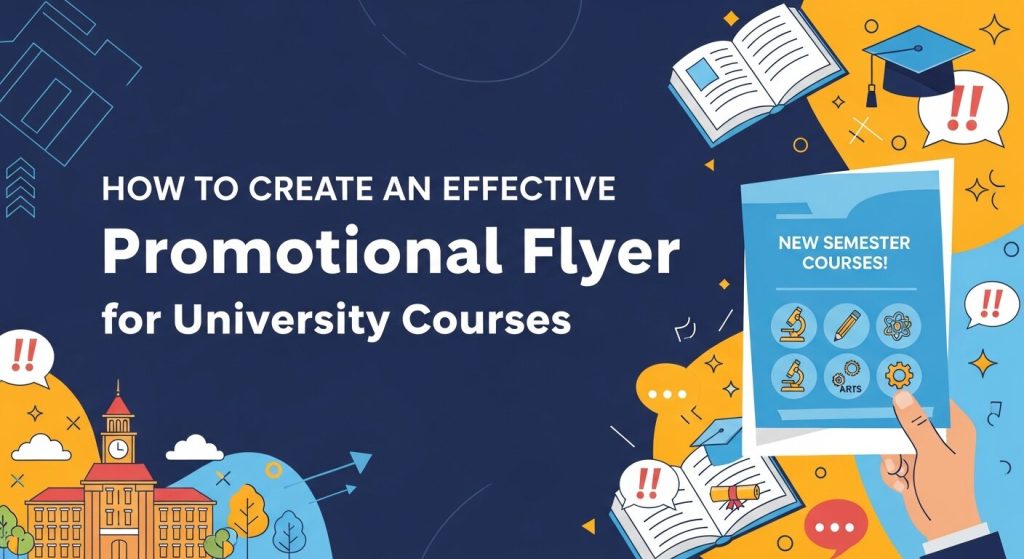
An effective course flyer combines strong design, clear messaging, audience focus, and strategic distribution. Consistent improvement and student-focused content help universities attract attention, build trust, and increase course enrollment successfully.
Creating a strong university course promotional flyer helps institutions attract prospective students and communicate course value clearly. A well-designed university course promotional flyer combines visual appeal, clear messaging, and strategic content placement. Universities using professional flyer marketing often see higher engagement, better course awareness, and improved enrollment rates compared to traditional text-heavy promotions.
Understand Your Target Student Audience
Before designing a flyer, understanding your audience is essential for success. A university course promotional flyer should address student needs, career goals, and interests while reflecting their academic level. Researching demographics, education background, and learning preferences helps create targeted messaging. Knowing whether the audience is undergraduate, postgraduate, or professional shapes tone, visuals, and style. A strong flyer highlights benefits that matter, such as job opportunities, skill development, and industry recognition. Matching messaging to student expectations makes the flyer more relevant and trustworthy. Audience-focused content boosts engagement, improves clarity, and attracts qualified inquiries effectively.
Create a Clear and Compelling Headline
The headline is the first element students notice, making it critical in a university course promotional flyer. A strong headline clearly communicates course value while avoiding vague or generic phrases. Focus on outcomes that matter to students, such as career growth, skill mastery, or certification. Using action-driven words like “Advance,” “Master,” or “Launch” makes the flyer persuasive and engaging. Headlines should be large, easy to read, and visually emphasized to capture attention. Proper typography, spacing, and layout enhance professionalism. A well-crafted headline creates emotional connection, encourages further reading, and significantly improves overall flyer engagement.
Highlight Key Course Benefits and Outcomes

Students are more likely to respond when they clearly understand course value, so a results-focused university course promotional flyer should emphasize tangible benefits and career outcomes. Instead of merely listing features, explain how each aspect helps students succeed academically and professionally. A high-quality flyer highlights skills gained, industry exposure, and potential career paths. Include internship opportunities, partnerships, or job placement support where available. Some modern programs even offer a Course with Gamification to boost engagement and skill retention. Using structured content with concise benefit lines enhances readability and retention, motivating students to apply confidently.
Use High-Quality Visual Design Elements
Visual presentation greatly impacts engagement, making design quality essential in a university course promotional flyer. A well-balanced flyer uses consistent brand colors, readable fonts, and high-resolution images to create a professional look. Avoid overcrowding with too much text or unnecessary graphics, as clean layouts improve readability. Effective flyers often feature campus visuals, classroom scenes, or student success imagery to build trust and connection. Following branding guidelines ensures credibility and recognition. Good visual hierarchy guides readers from headline to course details to call-to-action. Design quality also improves effectiveness, especially when shared through platforms like LinkedIn Learning Groups.
Include Essential Course Information Clearly
Providing complete and clear information is essential for building trust in a university course promotional flyer. Students need quick access to details such as course name, duration, eligibility criteria, fees, and application deadlines. Missing information can reduce confidence and discourage potential applicants. A well-structured university course promotional flyer organizes information into clear sections using headings, icons, or visual separators. Since students often scan flyers quickly, clarity and simplicity are critical. Including contact information, website links, or QR codes helps students take immediate action. Accurate and transparent course details improve credibility and support informed student decision-making. Clear information presentation ensures students feel confident about applying and helps universities reduce repetitive inquiry questions.
Add a Strong Call-to-Action (CTA)
Every effective marketing design needs a clear next step, and a conversion-focused university course promotional flyer must include a strong call-to-action. Use direct phrases such as “Apply Now,” “Register Today,” or “Download Course Details” to guide student action. A high-performing university course promotional flyer visually highlights the CTA using color contrast, buttons, or design spacing to make it stand out. Placing the CTA in multiple visible locations increases response probability. Adding urgency-based phrases like “Limited Seats Available” or “Admissions Closing Soon” can improve conversions. Ensure application links, QR codes, or contact details function correctly. A strong CTA transforms student interest into measurable enrollment results and helps universities achieve marketing goals more efficiently.
Optimize Flyer Content for Digital Sharing
Modern marketing requires digital adaptability, making optimization essential for a university course promotional flyer. A digital-friendly flyer should be optimized for social media, email campaigns, and university websites. Use mobile-friendly layouts, readable font sizes, and compressed file formats for faster loading. A shareable university course promotional flyer can include clickable links, QR codes, or shortened URLs to improve accessibility. Social media platforms may require different formats such as square or vertical versions. Digital optimization expands marketing reach and improves engagement rates. Many institutions now use data-driven tools because AI Transforms Course Marketing Through Smart Personalization, helping universities target students with more relevant promotional content across digital channels.
Best Distribution Channels for Course Flyers
Promoting flyers through the right channels helps universities reach prospective students effectively. A distribution strategy should focus on platforms where students actively seek course information. Combining online channels like social media, email, and websites with offline methods such as campus events or printed materials increases visibility and improves engagement. Universities should track which platforms generate the most interest to optimize future campaigns. A well-planned distribution strategy ensures marketing efforts reach a wider audience while maintaining cost efficiency, brand consistency, and maximum impact across all promotional channels.
Key Distribution Channels:
- University website and admission pages
- Social media platforms (Facebook, Instagram, LinkedIn)
- Email marketing campaigns
- Education fairs and campus events
- Student communities and forums
| Channel Type | Reach Level | Cost | Best For |
|---|---|---|---|
| Social Media | High | Low-Medium | Student engagement |
| Email Marketing | Medium | Low | Direct communication |
| Campus Events | Medium | Medium | Local promotion |
| Education Portals | High | Medium | Course discovery |
| Printed Distribution | Low-Medium | Medium | Local awareness |
Maintain Brand Consistency and Professional Tone
Brand consistency helps build long-term trust, making it essential for a university course promotional flyer to follow official branding guidelines. Consistent color palettes, logos, and messaging create strong visual recognition among students. A professional university course promotional flyer reflects academic credibility and institutional quality. Use formal but approachable language that remains student-friendly and easy to understand. Avoid complex academic jargon that may confuse prospective students. Consistency across flyers, websites, and social media strengthens brand identity and marketing impact. Strong institutional branding helps universities stand out in competitive education markets and improves long-term student recruitment success through stronger brand recall and reputation.
Test, Review, and Improve Flyer Performance
Continuous improvement is essential for long-term success, so universities should regularly evaluate their university course promotional flyer performance. Track engagement metrics such as inquiries, downloads, or application conversions after flyer distribution. A data-driven marketing for university course promotional flyer strategy helps identify what works best. Collect feedback from students, faculty, and marketing teams to improve future flyer versions. Review design clarity, messaging strength, and information accuracy regularly. A/B testing different flyer designs can reveal which layout or messaging performs better. Continuous testing ensures marketing materials remain relevant and competitive. Universities that consistently update promotional content achieve better enrollment results and maintain strong market presence.
Measuring Flyer Marketing ROI and Performance
Measuring performance helps universities determine if their marketing investment is effective and achieving results. Tracking flyer metrics allows institutions to refine strategies, improve messaging, and allocate budgets more efficiently. Performance evaluation should consider both engagement indicators and conversion outcomes to understand overall impact. Using data-driven insights, universities can identify which designs, content, and distribution in this channels perform best. Regularly reviewing these metrics ensures marketing campaigns remain competitive, relevant, and aligned with changing student behavior, ultimately helping universities attract more prospective students and maximize enrollment outcomes.
Important Metrics to Track:
- Number of student inquiries
- Website traffic from flyer campaigns
- Application conversion rate
- Social media engagement rate
- Cost per enrollment
| Metric | What It Measures | Why It Matters |
|---|---|---|
| Inquiry Rate | Student interest level | Shows initial engagement |
| Conversion Rate | Applications generated | Measures effectiveness |
| Cost Per Lead | Marketing cost efficiency | Helps budget planning |
| Engagement Rate | Interaction with content | Shows content relevance |
| Enrollment Rate | Final student sign-ups | Measures campaign success |