How to Create a Pre-Launch Strategy That Builds Anticipation for Your Online Course
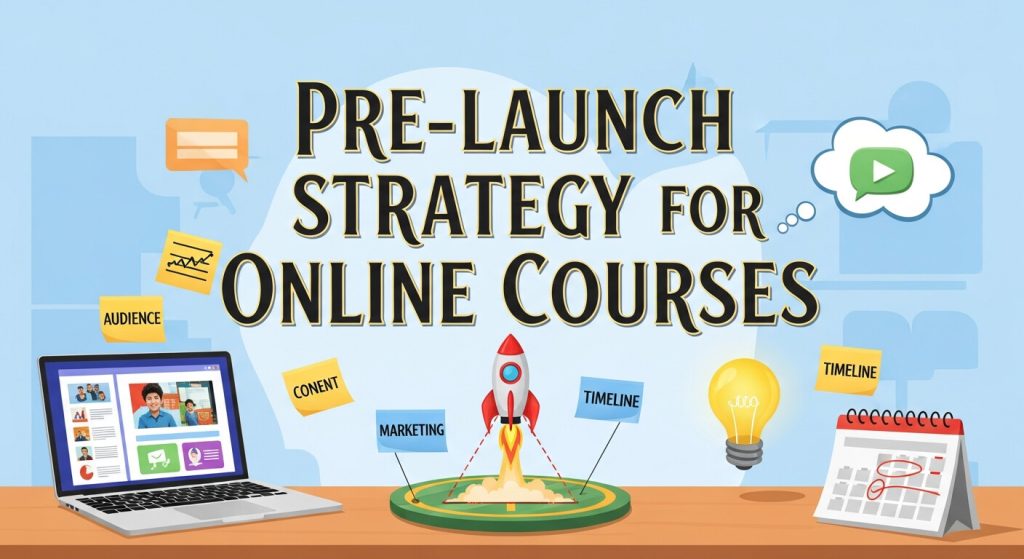
A strategic Online Course Pre-Launch generates anticipation, builds trust, and maximizes enrollments. By combining audience insights, content marketing, social engagement, and incentives, your pre-launch ensures a successful and impactful course launch.
An Online Course Pre-Launch is essential to generate excitement and ensure strong enrollments. By planning carefully, you can attract your ideal students, create anticipation, and maximize the impact of your launch. A well-structured pre-launch strategy builds trust, showcases value, and sets your course up for long-term success.
Understand Your Target Audience
The first step in an Online Course Pre-Launch is understanding your target audience. Identify who your ideal learners are, their pain points, goals, and preferred learning methods. Conduct surveys, polls, and social media research to gain insights. Knowing your audience allows you to create pre-launch content that resonates, generates excitement, and builds trust. Personalization ensures your marketing messages feel relevant, boosting engagement. An Online Course Pre-Launch that connects with the audience increases anticipation and enrollment. Always keep audience insights at the center of your strategy to maximize the effectiveness of every pre-launch activity.
Set Clear Goals for Your Pre-Launch
 An effective Online Course Pre-Launch requires clear, measurable goals. Decide whether your focus is growing your email list, building social media engagement, or generating early enrollments. Setting goals helps track progress and adjust your strategy in real-time. For instance, targeting 500 early sign-ups or 1,000 webinar attendees gives your team a clear benchmark. Your goals should align with your course objectives, audience needs, and marketing resources. During an Online Course Pre-Launch, measuring key metrics like click-through rates, social engagement, and lead conversion ensures your efforts are efficient and targeted. Well-defined goals drive momentum and maximize pre-launch impact.
Craft Irresistible Pre-Launch Content
Content is at the heart of an Online Course Pre-Launch. Create valuable, attention-grabbing content such as blog posts, videos, free guides, or mini-courses. This content should address your audience’s challenges while hinting at the benefits of your upcoming course. A content calendar ensures consistency and timing for maximum impact. Using storytelling and behind-the-scenes insights increases excitement. You can also integrate an Email Funnel for Online Course to nurture leads while delivering pre-launch content. During your Online Course Pre-Launch, strategic content placement across email, social media, and landing pages boosts visibility and engagement. Well-crafted content educates and builds anticipation.
Build a Dedicated Landing Page
A strong landing page is crucial for an Online Course Pre-Launch. It serves as the central hub for your audience to learn, register, or sign up for updates. Include persuasive copy, compelling visuals, and clear calls-to-action. Highlight course benefits, testimonials, and sneak peeks to generate anticipation. Integrate email capture forms to grow your pre-launch list and track interest. Optimizing your landing page for mobile and SEO ensures accessibility and visibility. During an Online Course Pre-Launch, a landing page consolidates all pre-launch efforts, allowing you to measure engagement, collect leads, and nurture potential students effectively. Consider linking your Online Courses on Social Media to the landing page for greater reach.
Leverage Email Marketing
Email marketing is a powerful tool during your Online Course Pre-Launch. Send a series of pre-launch emails with engaging content, countdowns, and exclusive previews. Segment your list to target different audience groups with personalized messaging. Include clear calls-to-action, such as registering for webinars or joining early access programs. Email campaigns allow you to build anticipation, nurture leads, and maintain consistent communication with potential students. Tracking open rates, clicks, and conversions provides valuable feedback to refine your strategy. When done strategically, email marketing ensures your Online Course Pre-Launch builds excitement, strengthens relationships, and maximizes enrollment opportunities. Integrating an Email Funnel for Online Course can further automate lead nurturing.
Utilize Social Media Buzz
Social media plays a key role in your Online Course Pre-Launch. Share teasers, behind-the-scenes content, polls, and engaging posts across relevant platforms. Collaborate with influencers or community leaders to expand your reach. Use hashtags and interactive content to encourage engagement. Social media allows you to connect with your audience in real time, address questions, and create a sense of community. Consistent, strategic posting enhances visibility and builds anticipation. During an Online Course Pre-Launch, leveraging social platforms can generate viral interest, attract followers, and drive traffic to your landing page. Highlight Online Courses on Social Media to show real-time engagement and success.
Host Webinars or Live Sessions
Host webinars or live sessions is an effective strategy during an Online Course Pre-Launch. These sessions provide value while showcasing your expertise and course content. Live interactions allow real-time engagement, answer questions, and create a sense of urgency. Promote your webinars through email, social media, and your landing page to maximize attendance. Use countdowns and limited spots to increase interest. Recording sessions for future use extends their value. Integrating webinars into your Online Course Pre-Launch plan helps nurture leads, educate potential students, and drive conversions. A well-executed webinar builds excitement, trust, and commitment from your audience. Hosting Webinars can also double as lead generation and authority-building tools.
Post-Launch Engagement Strategy
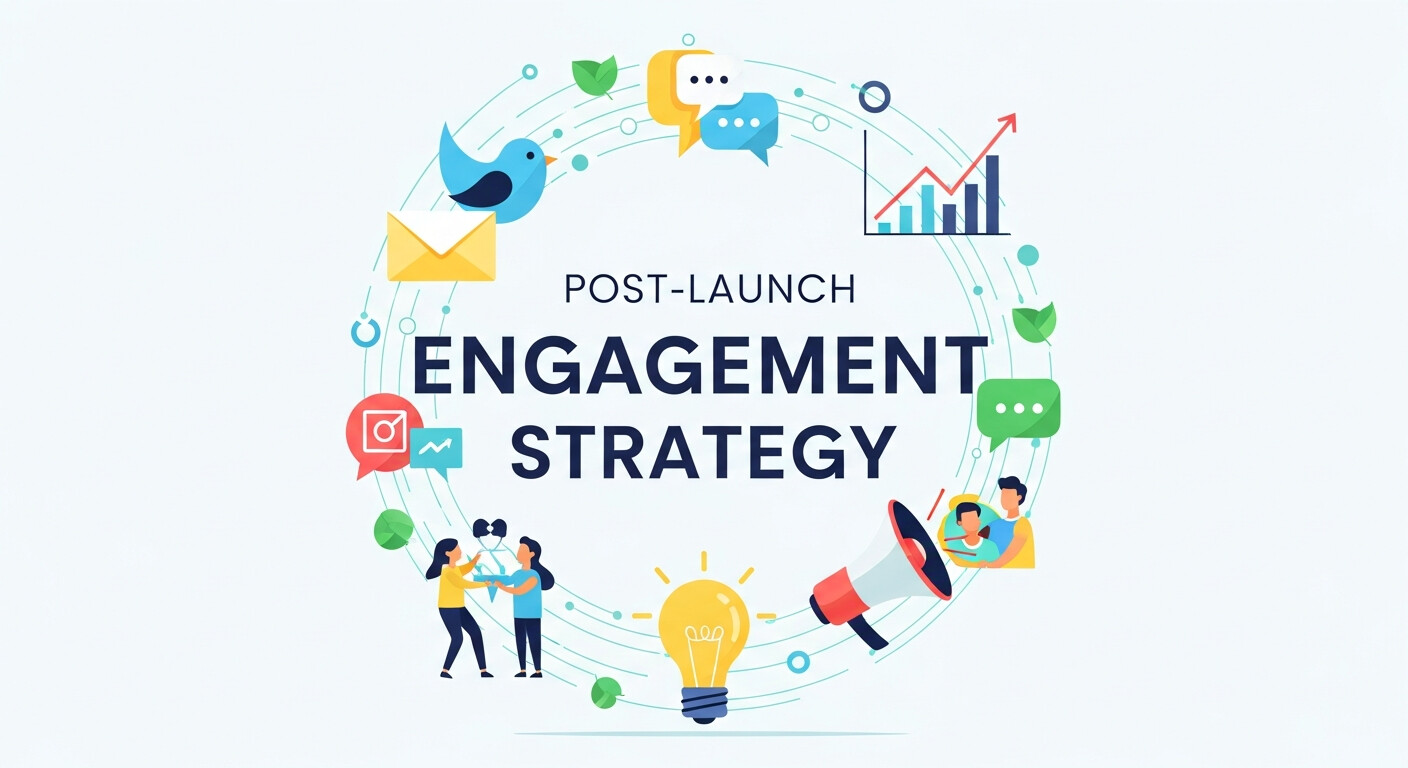
Your strategy shouldn’t end at launch. A strong Online Course Pre-Launch plan continues into post-launch engagement to retain students and encourage referrals. Follow up with personalized emails, share additional resources, and encourage participation in community forums. Consistent engagement improves satisfaction, builds loyalty, and increases positive reviews.
Post-Launch Engagement Activities:
- Send welcome and thank-you emails
- Offer bonus materials or mini-challenges
- Encourage social media sharing and reviews
- Host Q&A sessions to address questions
| Engagement Activity | Goal |
|---|---|
| Welcome Email | Make students feel valued |
| Bonus Materials | Increase course satisfaction |
| Social Media Sharing | Expand reach and referrals |
| Q&A Sessions | Maintain interaction and engagement |
Collaborate with Partners & Influencers
Partnerships and influencer collaborations enhance an Online Course Pre-Launch. Identify industry experts, bloggers, or social media influencers aligned with your niche. Collaborate on co-hosted events, guest posts, or promotional campaigns. Influencers provide credibility, reach, and access to engaged audiences. Using Micro-Influencers can amplify impact without high costs and ensure your course reaches highly engaged followers. Use affiliate programs or referral incentives to encourage participation. Strategic collaborations amplify your pre-launch visibility and generate organic buzz. Incorporating partners into your Online Course Pre-Launch strategy ensures wider exposure, increased trust, and higher chances of enrollment.
Offer Exclusive Pre-Launch Incentives
Incentives are a proven way to drive interest during an Online Course Pre-Launch. Offer early-bird discounts, bonus materials, or exclusive access to webinars. Highlight limited availability to create urgency and encourage immediate action. Incentives reward early supporters and build excitement around your course launch. Promote these offers across email campaigns, landing pages, and social media. Monitoring uptake helps assess demand and refine future offers. Integrating attractive incentives into your Online Course Pre-Launch strategy increases engagement, fosters loyalty, and encourages conversions, making your audience feel valued and eager to enroll. Adding webinar bonuses or micro-influencer shoutouts can further increase participation.
Optimize Pre-Launch Timing
Timing is critical for a successful Online Course Pre-Launch. Launching at the right moment ensures maximum audience attention and engagement. Consider factors like audience availability, seasonal trends, and industry events to determine optimal launch windows. Proper timing increases email open rates, webinar attendance, and social media interaction. Planning a schedule with clear milestones helps maintain momentum and keeps your team aligned.
Key Tips for Timing Your Pre-Launch:
- Analyze past launch data for insights
- Avoid holidays or busy periods
- Use countdowns to build anticipation
- Schedule content releases strategically
| Timing Factor | Recommendation |
|---|---|
| Email Campaigns | Send during mid-week mornings |
| Webinars | Host in the evening for higher attendance |
| Social Media Posts | Post during peak audience hours |
Track Performance and Adjust Strategy
Tracking metrics is essential for a successful Online Course Pre-Launch. Monitor email open rates, social engagement, landing page conversions, and webinar attendance. Use analytics tools to gain insights and identify high-performing tactics. Adjust your strategy based on real-time data-driven results to optimize efforts. Testing different headlines, CTAs, or content formats ensures maximum impact. Continuous monitoring allows you to identify gaps, seize opportunities, and improve engagement. An effective Online Course Pre-Launch depends on iterative improvements, helping you refine messaging, boost visibility, and enhance audience anticipation. Tools for tracking Email Funnel for Online Course or social campaigns ensure data-driven adjustments lead to strong enrollments.
Conclusion
A well-planned Online Course Pre-Launch is the cornerstone of a successful course launch. By understanding your audience, setting clear goals, crafting compelling content, and leveraging email, social media, and partnerships, you can build excitement and anticipation effectively. Offering incentives and hosting live sessions further engages potential students. Tracking performance ensures your strategy adapts for maximum results. Remember, a strategic pre-launch not only boosts enrollments but also strengthens your brand credibility and builds lasting relationships with your audience. Investing time in a thoughtful Online Course Pre-Launch sets the stage for long-term course success.
Frequently Asked Questions
1. How can I identify my target audience?
Understanding your audience starts with research. Conduct surveys, polls, and interviews to determine their preferences, pain points, and goals. This insight helps create content and campaigns that resonate, increasing engagement and ensuring your course appeals to the right learners.
2. What types of pre-launch content work best?
Content that educates, entertains, or inspires performs well. Options include blog posts, videos, free guides, mini-courses, or behind-the-scenes updates. The goal is to provide value, spark curiosity, and engage your audience consistently before your course officially launches.
3. How should I structure my email campaigns?
Effective campaigns use segmentation, personalized messaging, and clear calls-to-action. Plan a series of emails that build excitement, share sneak peeks, and deliver valuable insights. Monitor engagement to refine messaging and ensure your emails encourage meaningful interaction with your audience.
4. How do I create urgency for my launch?
Urgency can be generated through limited-time offers, countdowns, or exclusive bonuses. Communicating scarcity and emphasizing benefits motivates potential students to act quickly. Strategically timed announcements and reminders increase anticipation and drive higher participation rates during the pre-launch phase.
5. Which social media platforms should I focus on?
Select platforms where your audience is most active. Consider Instagram, LinkedIn, Facebook, or TikTok, depending on demographics and interests. Tailor content style to each platform and maintain consistent posting to build engagement, brand awareness, and anticipation.
6. How can partnerships enhance my launch?
Collaborating with industry experts, bloggers, or micro-influencers increases reach and credibility. Co-hosted events, guest posts, or referral programs amplify visibility. Strategic partnerships allow you to access new audiences and build trust, encouraging more potential students to engage with your offerings.
7. What incentives motivate early participants?
Early-bird discounts, bonus materials, exclusive access, or limited-time perks encourage action. Offering value upfront rewards engaged learners and fosters excitement. Incentives should feel exclusive and time-sensitive to create a sense of urgency and strengthen commitment to your program.
8. How do I host effective webinars?
Plan interactive webinars with clear objectives, engaging visuals, and actionable takeaways. Promote sessions in advance, encourage participation, and answer questions in real-time. Follow up with recordings or resources to extend impact and strengthen relationships with attendees.
9. How can I measure pre-launch success?
Track metrics like email opens, click-through rates, webinar attendance, social engagement, and landing page conversions. Analyzing these metrics helps identify high-performing tactics, refine strategies, and ensure pre-launch efforts lead to measurable outcomes and stronger course engagement.
10. How do I handle technical issues during pre-launch?
Test all platforms, links, forms, and emails before launch. Have backups for webinars, landing pages, and content delivery. Promptly addressing technical issues ensures a smooth experience, maintains trust, and prevents disruptions that could negatively impact engagement or conversions.
11. What content frequency is ideal?
Maintain a consistent schedule without overwhelming your audience. Posting 2–3 times per week for social media or sending 1–2 targeted emails weekly often works well. Regularity builds anticipation while keeping your audience engaged and informed without fatigue.
12. How can I gather feedback before the launch?
Use surveys, polls, beta tests, or early access programs to collect insights. Feedback helps improve content, delivery, and engagement strategies. Engaging your audience early also fosters a sense of ownership and increases enthusiasm for your final product.
13. How do I maintain engagement during pre-launch?
Interactive content, live Q&A sessions, polls, quizzes, or challenges keep your audience active. Respond promptly to comments, questions, and messages. Consistent communication and participation reinforce relationships, maintaining momentum and excitement throughout the pre-launch period.
14. What tools help streamline pre-launch activities?
Project management software, email automation, social scheduling tools, and analytics platforms can simplify planning and tracking. Using the right combination of tools ensures your pre-launch efforts stay organized, efficient, and measurable, ultimately improving results and reducing manual workload.