Digital Course Fatigue: Breaking Through the Noise in an Oversaturated Market
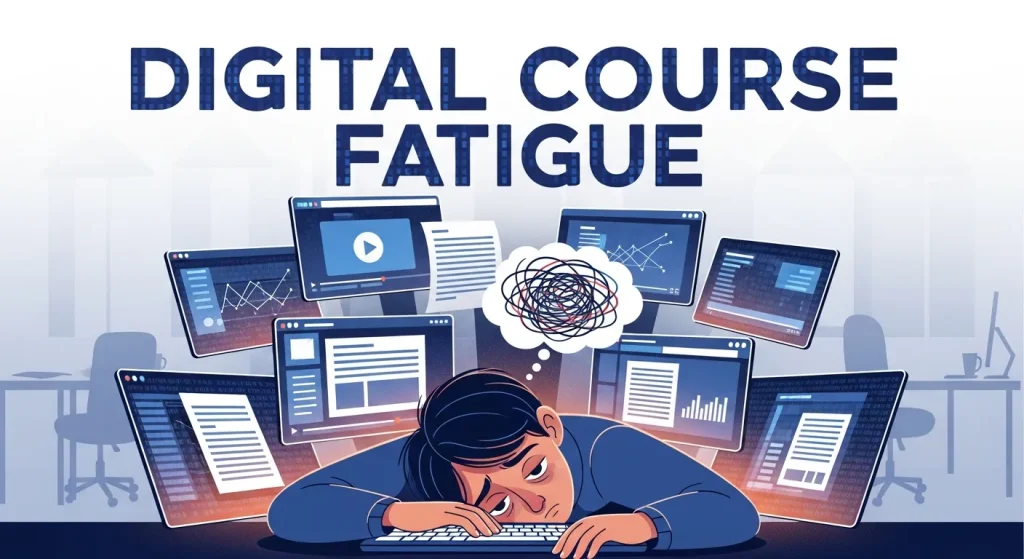
Digital Course Fatigue is rising as online learning markets become oversaturated. This blog explores its causes, impact on learners, and practical strategies course creators can use to stand out and regain engagement.
Digital Course Fatigue is becoming a major challenge in today’s crowded online education market. With countless courses offering similar promises, learners feel overwhelmed and disengaged. This blog examines why digital course fatigue occurs, how it affects learner behavior, and what course creators can do to deliver meaningful, high-value learning experiences.
What Is Digital Course Fatigue?

Digital Course Fatigue refers to the mental overload and disengagement learners experience when exposed to too many online courses, ads, webinars, and learning platforms at once. Constant promotions, similar course structures, and recycled ideas contribute to decision paralysis and burnout. Instead of feeling inspired to learn, potential students often postpone enrollment—or abandon courses halfway through.
This fatigue doesn’t only affect learners. Course creators also feel the pressure, as rising competition makes it harder to capture attention, maintain engagement, and achieve sustainable sales.
Why the Digital Course Market Feels Oversaturated

Several factors have accelerated market saturation:
- Low entry barriers make it easy for anyone to create and sell a course
- Repetitive content topics with little differentiation
- Aggressive marketing tactics across social media and email
- Overpromising results that fail to match learner expectations
When learners encounter similar course messages repeatedly, trust erodes. This environment amplifies Digital Course Fatigue and reduces overall engagement across platforms.
The Impact of Digital Course Fatigue on Learners

For learners, Digital Course Fatigue leads to:
- Reduced motivation to start new courses
- Lower completion rates
- Difficulty choosing the right course
- Skepticism toward marketing claims
Even highly motivated individuals can feel overwhelmed, causing them to delay learning decisions or abandon online education altogether.
How Technology Can Reduce Digital Course Fatigue

Technology plays a critical role in minimizing Digital Course Fatigue when used strategically. Modern digital course platforms are no longer just content hosts—they shape the entire learning experience. The right tools can simplify navigation, personalize learning, and keep students engaged without overwhelming them. When technology supports clarity and interaction, learners feel more in control and motivated to continue their online digital course.
Key technological features that reduce fatigue include:
- Personalized learning paths based on skill level
- Smart progress tracking and reminders
- Interactive quizzes and assessments
- Mobile-friendly access for flexible learning
- Gamification elements to boost online course engagement
Technology Features That Help Reduce Fatigue
| Feature | How It Helps Learners | SEO & Engagement Benefit |
|---|---|---|
| Adaptive Learning | Adjusts content to learner pace | Reduces dropout rates |
| Gamification Tools | Makes learning more engaging | Supports Online Course with Gamification |
| Analytics Dashboard | Tracks learner behavior | Improves course optimization |
| Mobile Optimization | Enables anytime learning | Increases completion rates |
| Community Features | Encourages peer interaction | Builds trust and retention |
Choosing the perfect (LMS) for online course delivery ensures these features work seamlessly together, creating a smoother learning journey.
How Course Creators Can Break Through Digital Course Fatigue
To succeed in an oversaturated market, course creators must focus on value, clarity, and differentiation rather than volume.
Key strategies include:
- Niche positioning – Solve a specific problem for a defined audience
- Outcome-driven messaging – Highlight real, achievable results
- Interactive learning experiences – Use live sessions, communities, and feedback
- Authentic storytelling – Share real journeys instead of generic promises
- Microlearning formats – Offer shorter, focused lessons to reduce overwhelm
These approaches help rebuild trust and re-engage learners who are already experiencing Digital Course Fatigue.
The Role of Digital Course Creation in Reducing Fatigue
Effective digital course creation plays a critical role in minimizing learner burnout. When courses are designed with clear objectives, logical progression, and engaging formats, learners feel guided rather than overwhelmed. Thoughtful course creation focuses on solving one core problem instead of covering everything at once. By structuring lessons into manageable modules and eliminating unnecessary content, creators can reduce cognitive overload. Well-planned digital course creation emphasizes clarity, relevance, and usability—key factors in keeping learners motivated and preventing disengagement caused by Digital Course Fatigue.
Choosing the Right Digital Course Platform Matters
A reliable digital course platform directly impacts learner experience and engagement. Poor navigation, slow performance, or confusing dashboards can frustrate users and increase drop-off rates. The right platform supports seamless learning with intuitive interfaces, progress tracking, and mobile accessibility. Features such as discussion boards, quizzes, and progress reminders help learners stay engaged. When creators choose a digital course platform aligned with learner needs, they create a smoother learning journey that reduces friction and helps counter the effects of Digital Course Fatigue.
Rebuilding Trust and Engagement in Online Learning
Transparency plays a crucial role in overcoming fatigue. Clear course outlines, realistic expectations, and honest testimonials help learners feel confident in their choices. Additionally, prioritizing learner support and continuous improvement strengthens long-term credibility.
As the industry evolves, creators who prioritize meaningful transformation over mass production will stand out.
Improving Engagement in an Online Digital Course
An online digital course must do more than deliver information—it must actively engage learners. Passive video-only formats often lead to distraction and low completion rates. Interactive elements such as quizzes, assignments, live sessions, and peer discussions encourage participation and accountability. Engagement-focused design helps learners stay mentally present throughout the course. By intentionally working to boost online course engagement, creators can transform learning into an experience rather than a task, making Digital Course Fatigue far less likely.
How Online Course with Gamification Boosts Motivation
An Online Course with Gamification uses elements such as points, badges, leaderboards, challenges, and rewards to make learning more engaging and enjoyable. Gamification taps into intrinsic motivation, encouraging learners to stay consistent, track progress, and complete modules with greater focus. These interactive elements break the monotony of traditional lesson formats and transform passive learning into an active experience. When learners feel recognized and rewarded for their efforts, motivation and participation increase naturally. Gamification does not reduce educational value; instead, it enhances attention, retention, and knowledge application. When applied strategically, it helps course creators boost online course engagement, improve completion rates, and effectively reduce Digital Course Fatigue in competitive online learning environments.
Designing High-Impact Courses to Boost Online Course Engagement
Course design is one of the most overlooked factors contributing to Digital Course Fatigue. Even valuable content can feel exhausting if it’s poorly structured. High-impact digital course creation focuses on clarity, pacing, and learner interaction. Well-designed courses not only hold attention but also increase completion rates across any digital course platform.
Best practices for designing engaging courses include:
- Breaking content into short, focused modules
- Using real-world examples and case studies
- Mixing video, text, and interactive elements
- Setting clear milestones and outcomes
- Encouraging reflection and practical application
Effective Course Design vs. Fatigue-Inducing Design
| Course Design Element | Fatigue-Inducing Approach | High-Impact Approach |
|---|---|---|
| Lesson Length | Long, unstructured videos | Short, focused lessons |
| Content Style | One-way lectures | Interactive storytelling |
| Assessments | Heavy exams | Micro-quizzes & activities |
| Learner Role | Passive consumption | Active participation |
| Course Flow | Overloaded modules | Clear learning path |
Courses like a Digital Marketing Course Online benefit significantly from this approach, helping learners stay engaged while achieving measurable outcomes.
The Future of Online Learning Beyond Digital Course Fatigue
Looking ahead, the solution to Digital Course Fatigue lies in quality over quantity. Personalized learning paths, AI-driven recommendations, and community-based education models are shaping the next phase of digital learning.
Even after 500 words and beyond, the importance of addressing Digital Course Fatigue remains clear: only those who innovate, empathize with learners, and deliver genuine value will thrive in an increasingly competitive market.
Why Learners Seek the Best Online Course for Digital Marketing
The demand for the Best Online Course for Digital Marketing highlights a shift in learner expectations. Instead of generic lessons, learners want practical skills, real-world examples, and measurable outcomes. Courses that offer hands-on projects, up-to-date strategies, and industry relevance stand out in a crowded market. When creators focus on delivering applicable knowledge rather than theoretical overload, learners feel confident in their investment. This approach not only builds trust but also reduces Digital Course Fatigue by aligning education with real career goals.
The Growing Demand for Digital Marketing Course Online
A Digital Marketing Course Online remains one of the most sought-after learning options today. However, the abundance of similar courses has made learners more selective. Courses that clearly communicate outcomes, timelines, and skill development Strategies better than vague, overpromising programs. By focusing on specialization—such as SEO, paid ads, or analytics—creators can attract learners who want targeted results. This focused approach helps combat Digital Course Fatigue by simplifying decision-making and delivering relevant value.
Using the Perfect LMS for Online Course Success
Choosing the Perfect LMS for Online Course delivery plays a critical role in shaping learner satisfaction and long-term engagement. A well-designed LMS supports essential features such as automation, progress tracking, certifications, and detailed analytics, enabling course creators to monitor performance and identify engagement gaps effectively. These insights allow continuous content improvement and better learner support. From a learner’s perspective, an intuitive and responsive LMS reduces confusion, minimizes technical frustration, and keeps motivation high throughout the course journey. When technology simplifies learning rather than complicates it, learners are more likely to stay consistent and complete courses successfully. Ultimately, a well-optimized LMS helps reduce Digital Course Fatigue by creating a smoother, more enjoyable online learning experience across digital education platforms.