The Synergistic Relationship Between Advertising and Sales
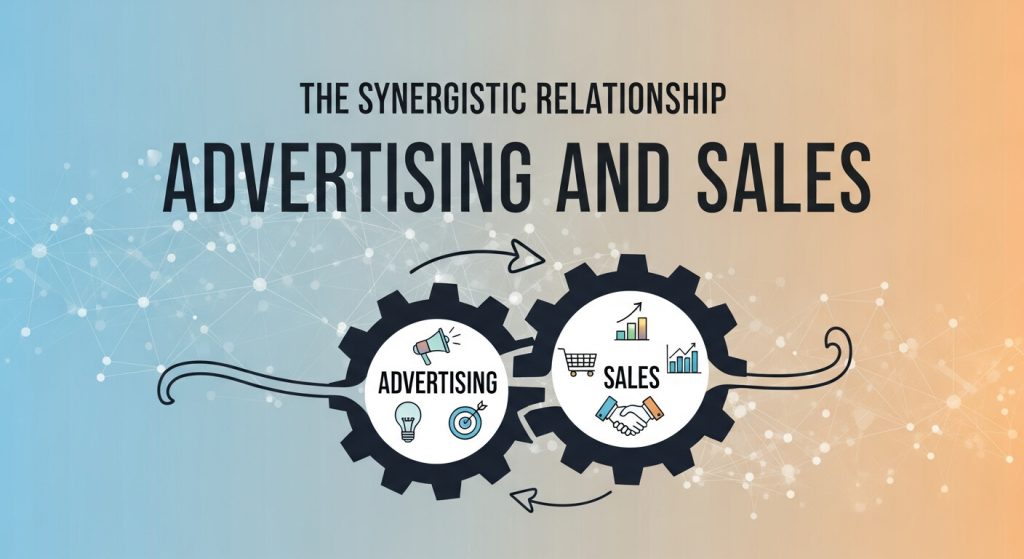
Advertising and sales are intertwined, driving awareness, engagement, and revenue. Businesses that align strategies, leverage data, and optimize campaigns achieve maximum impact, ensuring long-term growth and a seamless journey from interest to purchase.
Advertising and sales share a powerful, interconnected relationship that drives business growth. Effective advertising strategies create awareness, attract potential customers, and set the stage for successful sales. Understanding how advertising and sales complement each other is key to increasing revenue, improving brand recognition, and achieving long-term business success.
Understanding the Link Between Advertising and Sales
The relationship between advertising and sales is fundamental for business growth. Advertising builds awareness and generates interest in products or services, while sales convert that interest into revenue. When advertising and sales teams work together, campaigns become more targeted, resulting in higher engagement and improved conversion rates. The key is alignment: sales insights can guide advertising strategies, while advertising can support sales efforts by delivering qualified leads. For example, a well-placed online ad can attract potential buyers who are already ready to purchase, shortening the sales cycle. By recognizing the synergy between advertising and sales, businesses can optimize strategies, maximize ROI, and create a seamless journey from awareness to purchase.
The Role of Advertising in Driving Sales
Advertising is a crucial tool for increasing sales and reaching the right audience. By creating awareness, showcasing unique selling points, and presenting compelling offers, advertising captures attention and motivates potential customers to act. Effective advertising campaigns provide valuable information about products or services, making it easier for sales teams to engage prospects. Additionally, advertising can nurture leads, build trust, and maintain customer interest over time. The combination of strategic messaging and targeted campaigns ensures that advertising supports sales goals effectively. Without advertising, sales teams may struggle to reach potential customers or generate consistent demand. Understanding how advertising drives sales is essential for creating a balanced marketing and sales strategy that produces measurable results.
Measuring the Impact of Advertising on Sales
Tracking the impact of advertising on sales is critical for assessing effectiveness. Businesses use metrics like conversion rates, lead quality, ROI, and sales growth to determine how campaigns influence revenue. By analyzing performance data, companies can identify which advertising channels and messages resonate most with potential customers. Advertising efforts that directly increase sales demonstrate the synergy between marketing and revenue generation, and they can even boost course sales when targeted campaigns highlight educational offerings. Additionally, monitoring customer engagement, website traffic, and social media interactions provides insight into how advertising supports the sales process. Data-driven decisions strengthen the link between advertising and sales over time.
Enhancing Customer Engagement Through Advertising and Sales
Advertising and sales both play a vital role in engaging customers and driving brand loyalty. Advertising attracts attention, informs potential buyers, and encourages interaction with the brand. Sales teams then build relationships, address questions, and convert interest into purchases. Together, advertising and sales create a consistent, engaging experience that strengthens customer trust. Strategies such as personalized ads, email campaigns, and social media promotions support sales interactions by providing relevant content and offers. Additionally, community building strategies help brands cultivate loyal customer networks that amplify advertising efforts. By understanding the preferences and behaviors of the target audience, companies can tailor campaigns to maximize engagement, resulting in higher conversions and sustained revenue growth.
The Importance of Timing in Advertising and Sales
Timing is crucial for the success of advertising and sales initiatives. Launching advertising campaigns when potential customers are most receptive increases the likelihood of engagement and purchase. Similarly, sales teams must follow up promptly on leads generated by advertising to convert interest into revenue. Seasonal trends, market conditions, and customer behavior influence the optimal timing for both advertising and sales efforts. Coordinated scheduling ensures that campaigns are impactful, resources are used efficiently, and sales opportunities are maximized. Integrating video content strategies in advertising at the right time can enhance engagement and conversions. Effective timing enhances the synergy between advertising and sales, creating a seamless customer journey.
Leveraging Digital Channels for Advertising and Sales
Digital platforms provide powerful opportunities to integrate advertising and sales strategies. Social media, search engines, email marketing, and display ads allow businesses to reach targeted audiences with precision. Advertising campaigns generate leads, while digital tools enable sales teams to nurture prospects and track interactions. Analytics and automation support the optimization of both advertising and sales efforts, improving efficiency and ROI. By using digital platforms effectively, businesses can deliver personalized experiences that resonate with customers and encourage conversion. The synergy between advertising and sales is amplified in the digital realm, as campaigns can be monitored in real time and adjusted to achieve maximum impact. Companies embracing digital strategies see stronger results and sustained growth.
Innovative Tools to Enhance Advertising and Sales
Modern tools and technology streamline the integration of advertising and sales, making campaigns more efficient and results measurable. Leveraging automation, analytics, and digital platforms can significantly improve lead generation and conversion rates. Businesses can also use video content strategies to engage audiences and community building strategies to nurture loyal customers.
Key Tools:
- CRM software to track leads and sales
- Marketing automation platforms for campaign efficiency
- Analytics dashboards to monitor ROI
- Social media scheduling tools for consistent advertising
Table: Tools for Advertising and Sales Integration
| Tool Type | Purpose | Example |
|---|---|---|
| CRM Software | Manage leads and customer info | Salesforce, HubSpot |
| Marketing Automation | Automate email & ad campaigns | Marketo, ActiveCampaign |
| Analytics Dashboard | Measure performance and ROI | Google Analytics, Tableau |
| Social Media Management | Schedule & manage content | Hootsuite, Buffer |
Overcoming Challenges in Advertising and Sales Collaboration
While advertising and sales share the same goal—driving revenue—collaboration can face challenges. Misaligned priorities, lack of communication, or unclear responsibilities can hinder performance. To overcome these obstacles, businesses should implement structured processes, regular meetings, and shared performance metrics. Advertising teams need feedback from sales to understand which campaigns generate quality leads, while sales teams benefit from advertising’s insights into customer behavior and market trends. Employing boost course sales strategies or targeted promotions can motivate collaboration by giving both teams measurable goals. Creating a culture of collaboration ensures that departments work toward shared objectives. Companies that address challenges proactively strengthen the synergy between advertising and sales, resulting in more effective campaigns, improved conversions, and enhanced revenue growth.
Case Studies: Successful Advertising and Sales Integration
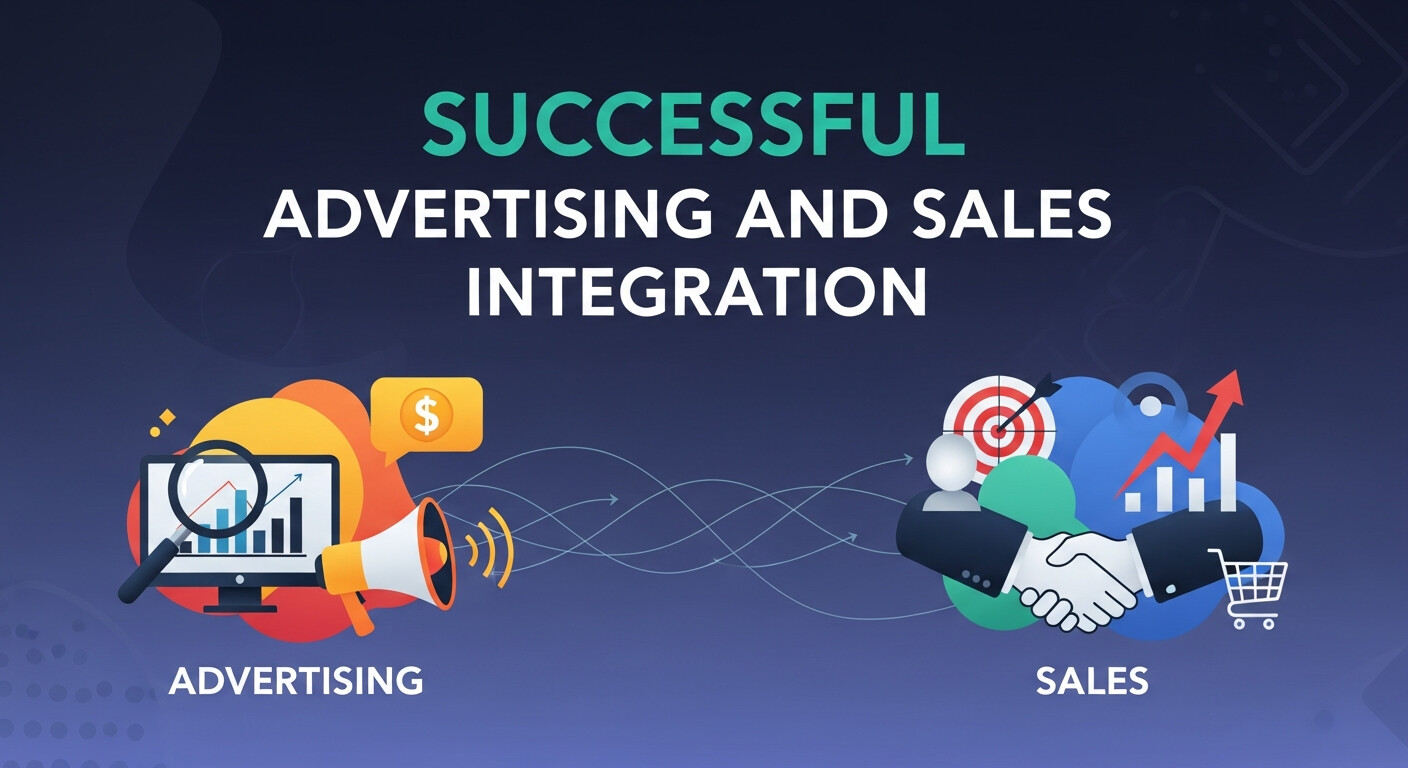
Several companies demonstrate the power of integrating advertising and sales strategies. For instance, brands that coordinate online ads with in-store promotions often see higher conversion rates. Tech companies leveraging advertising to generate leads for their sales teams experience faster revenue growth. Case studies show that when advertising campaigns target the right audience and sales teams follow up efficiently, customer engagement and loyalty increase. Examples often include using video content strategies to capture attention or community building strategies to maintain engagement. Studying these cases highlights how advertising and sales collaboration can produce measurable results. Businesses that replicate these strategies benefit from enhanced efficiency, revenue growth, and improved customer experiences.
Optimizing Advertising and Sales with Customer Insights
Understanding customer behavior is critical for maximizing the impact of advertising and sales efforts. By analyzing purchasing patterns, engagement metrics, and feedback, businesses can tailor campaigns to meet audience needs more effectively. Customer insights help identify which messages resonate, which channels perform best, and how to prioritize leads for sales teams.
Key Strategies:
- Track customer engagement across digital platforms
- Use survey feedback to refine advertising messages
- Segment leads for targeted sales follow-ups
- Adjust campaigns based on conversion trends
Table: Customer Insights Metrics
| Metric | Purpose | Benefit |
|---|---|---|
| Engagement Rate | Track interaction with ads | Improve messaging |
| Click-Through Rate | Measure ad effectiveness | Identify top-performing campaigns |
| Purchase History | Understand buying patterns | Tailor product recommendations |
| Feedback & Reviews | Gather qualitative insights | Enhance customer satisfaction |
Leveraging Analytics to Optimize Advertising and Sales
Data analytics plays a crucial role in enhancing the effectiveness of advertising and sales efforts. By tracking customer behavior, engagement patterns, and conversion metrics, businesses can identify which campaigns perform best and where improvements are needed. Analytics tools help marketers and sales teams make data-driven decisions, optimize targeting, and allocate resources efficiently. Additionally, insights from analytics support personalized campaigns, improve customer engagement, and increase conversion rates. Companies that leverage analytics effectively can maximize ROI, strengthen the synergy between advertising and sales, and drive sustainable business growth.
Future Trends in Advertising and Sales
The future of advertising and sales lies in personalization, automation, and data-driven communication strategies. Artificial intelligence, predictive analytics, and CRM tools allow businesses to target potential customers more effectively and streamline the sales process. Advertising can generate highly qualified leads, while sales teams leverage technology to nurture prospects and close deals faster. Emerging trends like interactive content, influencer marketing, and omnichannel campaigns further strengthen the connection between advertising and sales. Companies that adapt to these trends gain a competitive advantage, improving conversion rates and customer satisfaction. Understanding how advertising and sales evolve together is critical for long-term success. Businesses that embrace innovation will continue to drive growth and revenue efficiently.
Conclusion
The synergy between advertising and sales is essential for sustainable business growth. By aligning strategies, leveraging digital platforms, and integrating tools like video content strategies and community building strategies, businesses can boost course sales, improve customer engagement, and enhance conversions. Measuring impact, timing campaigns effectively, and fostering collaboration between teams ensures maximum efficiency. Companies that understand and harness the interconnected power of advertising and sales can achieve higher revenue, stronger brand loyalty, and long-term success in a competitive market.
Frequently Asked Questions
1. What is the role of advertising in sales?
Advertising builds awareness, attracts potential customers, and communicates product benefits. It creates interest, educates buyers, and generates opportunities for sales teams to engage prospects. Effective advertising ultimately supports higher conversions, stronger customer relationships, and overall business growth.
2. How do sales teams benefit from advertising?
Sales teams gain qualified leads, better audience insights, and increased engagement from advertising campaigns. Coordinated efforts reduce wasted effort, allow focused follow-ups, and improve conversion rates. Collaboration ensures a seamless experience for prospects, moving them efficiently from awareness to purchase.
3. Why is timing important in marketing campaigns?
Timing campaigns correctly ensures maximum visibility and audience engagement. Aligning marketing efforts with customer behavior, seasonal trends, or product launches helps optimize resources, improve conversion rates, and maintain a steady flow of leads, enabling sales teams to act promptly.
4. How can digital platforms enhance marketing results?
Digital platforms enable precise targeting, engagement tracking, and campaign automation. Social media, email marketing, and search ads improve visibility, nurture leads efficiently, and provide measurable insights. These tools help both marketing and sales teams optimize campaigns and maximize results.
5. What metrics are essential to track performance?
Key metrics include conversion rates, engagement levels, lead quality, ROI, and revenue growth. Tracking these helps businesses measure campaign effectiveness, optimize advertising strategies, and align sales efforts. Performance monitoring ensures higher efficiency, better decision-making, and improved overall results.
6. How do personalized campaigns influence customer engagement?
Personalized campaigns tailor messages based on customer behavior and preferences. This enhances relevance, builds trust, encourages interaction, and strengthens relationships. Tailored campaigns improve engagement, boost conversions, and foster long-term loyalty, creating stronger connections between brands and their target audience.
7. What role does content play in driving sales?
Engaging content educates, informs, and attracts potential customers. Videos, blogs, and social posts provide value, build trust, and encourage interaction. When combined with targeted sales strategies, content helps maintain interest, supports conversions, and nurtures leads effectively throughout the buying journey.
8. How can collaboration between teams improve results?
Collaboration between marketing and sales teams ensures consistent messaging, better-targeted campaigns, and efficient lead follow-ups. Sharing insights reduces misalignment, improves customer experience, and enhances ROI. Coordinated efforts help teams work toward shared goals, strengthening both campaigns and overall revenue.
9. What challenges are common in integrating marketing and sales?
Common challenges include miscommunication, unclear goals, and lack of shared metrics. Overcoming these requires structured processes, regular collaboration, and transparent performance tracking. Effective integration ensures campaigns are optimized, leads are nurtured properly, and teams work together toward business objectives.
10. How can emerging trends be leveraged effectively?
Emerging trends such as video content, automation, and community engagement allow businesses to reach audiences innovatively. Thoughtful integration improves engagement, boosts leads, and enhances brand relevance. Leveraging trends strategically ensures campaigns stay modern, effective, and competitive in the market.